

| Review | Open Access |
|---|
Preparation and Evaluation of Nanoemulsion-based Aerosol Formulation for the Pulmonary Delivery of Azithromycin |
 |
|---|
 Bisma Kiran1*, Qazi Amir Ijaz2, Nasir Abbas1, Amjad Hussain1, and Nadeem Irfan Bukhari1
1Punjab University College of Pharmacy, University of the Punjab, Lahore, Pakistan
2Department of Pharmacy, Mirpur University of Science and Technology, Mirpur AJ &K, Pakistan
Azithromycin (AZM) is an effective macrolide antibiotic against pathogenic microorganisms causing respiratory tract infections. AZM is not only effective in the exacerbations of Chronic Obstructive Pulmonary Disease (COPD) caused by bacteria but has also shown antiviral effects on SARS-CoV-2, making it an ideal candidate to empirically treat the coronavirus disease. The drug is a lipophilic molecule which belongs to BCS class II with a relatively low oral bioavailability of 37%. This brings forth the need to formulate a novel drug delivery system to directly target the respiratory tract by aerosolization. The aerosolization of AZM improves its antibacterial efficacy, lowers the dose, and avoids systemic side effects. These traits reduce the likelihood of antibiotic resistance. Three nanoemulsions (NEs) of AZM were made using eucalyptus, lavender, and peppermint oil as solvents, distilled water as aqueous phase, and Tween 20 as surfactant. All the formulations were made using a similar technique, that is, shake flask method. The characterization of all formulations was performed including visual inspection, number of flask inversions, percent transmittance, emulsification efficiency, thermodynamic stability (heating-cooling cycle, centrifugation, freeze-thaw cycle, cloud point measurement), pH, refractive index, viscosity, droplet size analysis and PDI, spray efficiency, and spray acuity/capacity. Then, the NE formulations were aerosolized. These aerosolized NEs of AZM can help to deliver the drug directly to the infected lung cells. The therapeutic effect can be achieved rapidly at a relatively low dose using an aerosol formulation. This study suggests that optimized aerosolization of NEs can be used to effectively deliver AZM to the respiratory tract.
Highlights
- NE-based formulations of AZM were developed using essential oils to enhance its solubility and stability.
- Peppermint oil and Tween 20 demonstrated the highest emulsification efficiency and transmittance.
- Comprehensive characterization confirmed stability through thermodynamic stability, viscosity, refractive index, and particle size analysis.
- The potential for improved drug delivery with enhanced solubility and bioavailability of AZM is highlighted.
1. INTRODUCTION
Azithromycin (AZM) is a member of the naturally occurring class of antibiotics known as macrolides [1]. It is derived from erythromycin via minor structural alterations [2]. AZM is a hydrophobic molecule which belongs to BCS class II [3]. It has a broad spectrum of action against common aerobic gram-positive bacteria, namely methicillin-sensitive Staphylococcus aureus, Mycoplasma pneumoniae, Borrelia burgdorferi, and Chlamydia trachomatis, as well as beta-lactamase producing bacteria, such as Haemophilus influenzae and Moraxcella catarrhalis [2]. The proposed guidelines of Infectious Disease Society (IDS) and the American Thoracic Society (ATS) recommend the use of macrolide antibiotics (clarithromycin and AZM) along with β-lactams to treat bacterial community-acquired pneumonia in COVID-19 low-risk patients [4].
The pulmonary administration pathway shows significant potential for targeted drug delivery, offering several advantages such as high local drug concentration in the lungs, fewer systemic side effects, avoidance of the first-pass effect, and low enzyme activity. Inhalation administration is a well-established alternative for medications with poor oral absorption. This method is also particularly effective for systemic absorption of drugs due to their high surface area and strong vascularization [5].
The low bioavailability of AZM (37%) after oral administration is due to poor drug solubility in biological fluids [6]. Low bioavailability may be caused by several reasons, such as acid breakdown of the medicine before absorption and inadequate absorption [7]. Consequently, there is a need to improve antibacterial efficacy by developing a more effective and appropriate drug delivery mechanism for AZM. In this regard, nanoemulsions (NEs) may overcome the pharmacokinetic and pharmacodynamic shortcomings of bioactive molecules. Moreover, they can also provide additional benefits such as targeted administration and stimulus-responsive release [8].
Nanoemulsions or NEs are diverse mixtures of two immiscible liquids, such as water in oil (w/o) or oil in water (o/w). The droplet size of these emulsions is only a few nanometers. To improve medication solubility, this approach was applied to all BCS class medicines. The particle size and excipients used are two major parameters that influence the rate of drug release from NEs. Oil, surfactants, co-surfactants, and the aqueous phase are the main components of NEs. Other components, such as stabilizers, preservatives, antioxidants, buffers, polymers, and other excipients can also be included [9].
The current study aims to prepare aerosolized AZM NE using the shake flask method. For this purpose, several characterization tests were performed on NEs, such as visual inspection, number of flask inversions, percentage transmittance, emulsification efficiency, thermodynamic stability studies, measurement of pH, refractive index, viscosity, and particle size distribution. Spray efficiency and spray acuity/capacity were determined to characterize NE aerosol. Aerosolized NE of AZM provides several advantages, such as higher bioavailability, lower side effects, improved penetration, direct and rapid drug delivery, high therapeutic efficacy with a prolonged duration of action, and decreased likelihood of antibacterial resistance [10–15].
2. METHODOLOGY
2.1 MaterialsCCL Pharmaceuticals, Lahore, Pakistan gifted AZM for this study. Eucalyptus oil, peppermint oil, and lavender oil were obtained from the local market (Lahore, Pakistan). Tween 20 and the ethanol used were of analytical grade. Distilled water was prepared in the Punjab University College of Pharmacy distillation plant.
2.2 Equipment and SuppliesCentrifuge (Sigma 2- 16KC), pH meter (InoLab pH-740), vortex mixer (SeouLin Bioscience MyLab™ SLV-6), refractometer Atago (NAR-IT), sonificator (GreatSonic GS-DS230), and HPLC (Agilent Infinity 1260) were used to carry out the tests.
2.3 Quantification MethodThe solutions of varying AZM concentrations, including 50mg/50ml, 62.5mg/50ml, 75mg/50ml, 87.5mg/50ml, and 100mg/50ml were prepared using the solvent mixture of acetonitrile and water (40:60). HPLC analysis was performed using a reverse phase column (250 mm × 4.6 mm, 5 μm) according to the following specifications: injection volume 20 μl, flow rate 1.5 ml/minute, system pressure 2000psi, wavelength 215 nm, and temperature 70°C. The isocratic mobile phase comprised acetonitrile: 0.2m dipotassium hydrogen phosphate buffer (45:55, v/v) adjusted to pH 6.5 was used. The correlation between the area and the concentration was established using a regression equation. Limit of Detection (LOD) and Limit of Quantification (LOQ) were also determined [16].
2.4 Selection of Organic Phase2.4.1 Solubility of AZM in Oil. The solubility of AZM in different oils (eucalyptus oil, peppermint oil, and lavender oil) was determined by using the conventional equilibration method. A surplus amount of AZM was placed in each Eppendorf tube, already containing 1 ml of oil. These tubes were then properly sealed. Each tube was vortexed using a vortex mixer (SeouLin Bioscience MyLab™ SLV-6) for 10 minutes to dissolve the drug in oil. The tubes were then placed in a shaker for 48 hours at a uniform temperature. The mixtures were equilibrated for 24 hours at room temperature. Each tube was centrifuged for 10 minutes at 3000 rpm using a centrifugation machine (Sigma 2- 16KC). The supernatant from each Eppendorf tube was diluted with ethanol and AZM was quantified by using UV-visible spectrophotometer (UV 1800 240V Shimadzu Corporation, Herbion pharma, Lahore) at 215 nm.
2.4.2 Screening of Surfactants. The emulsification efficiency of surfactants Tween 20 and Tween 80 was tested for oil, which showed maximum drug solubility. The selection of surfactant was done based on different parameters, such as percentage transparency and ease of emulsification [17], as mentioned in Table 2.
2.4.3 Flask Inversion Method. The emulsification efficiency of different oil-surfactant combinations was tested using the flask inversion method. For each test, 300 mg of surfactant (either Tween 20 or Tween 80) and 300 mg of selected oil (either eucalyptus oil, lavender oil, or peppermint oil) were taken in a 50 ml volumetric flask with a round glass stopper. The volumetric flask was gripped firmly at neck and gently inverted to an 180° arc (one complete inversion per second) to get a homogenized mixture. To make a fine emulsion, 50 mg of the homogenized mixture was accurately weighed and diluted to 50 ml using double-distilled water [18]. The number of flask inversions necessary to produce a consistent, stable emulsion (no visible phase separation for ≥5 minutes) was noted to assess the emulsification efficiency. Each formulation was tested in triplicate at 25 ± 1°C in a randomized testing order to minimize procedural bias [19].
2.4.4 Emulsification Efficiency. The time required for the formation of a homogeneous mixture by diluting the preconcentrate is known as emulsification time. The emulsification time was monitored thrice by visual observation of the vanishing of SNEDDS (Self-Nano-Emulsifying Drug Delivery System) upon the formation of NEs. Emulsification time, as well as the progress of the emulsion droplets, were measured [20].
2.5 Preparation of NEsA total of 50 mg of AZM and 5 ml of selected oil (either eucalyptus oil, lavender oil, or peppermint oil) were added to a 20 ml volumetric flask. Then, 5 ml of surfactant (either Tween 20 or Tween 80) was added to the flask and mixed gently. The final volume makeup was done by drop-wise addition of distilled water. Then, NEs were prepared by shaking the flask [21].
2.6 Characterization of NEs2.6.1 Visual Inspection of Prepared NE Formulations. The stability of NE formulations was visually examined. The presence of any physical instability, such as cracking and phase separation, was recorded [22].
2.6.2 Percent Transmittance Method. A UV spectrophotometer was used to examine the percentage transparency (percent transmittance) of the resulting emulsions at 600 nm, using ultrapure water as a blank and reference [23].
2.6.3 Thermodynamic Stability. Heating-cooling cycle, centrifugation, freeze-thaw cycle, and cloud point measurement were all used to test the NEs for their thermodynamic stability. After completing each cycle, it was physically examined for precipitation, cloudiness, and emulsion cracking [24].
2.6.3.1Heating-Cooling Cycle. The NEs were kept at 4°C and 45°C, with a minimum of 48 hours of storage time in the stability chamber at each temperature for 3 cycles. The formulations that showed no signs of instability (cracking, creaming, or phase separation) indicated stability at these temperatures. These formulations were selected for the centrifugation test [25].
2.6.3.2Centrifugation Test. The formulated NEs were subject to centrifugation at 5000 rpm for 30 minutes in the centrifuge and phase separation, cracking, and creaming were inspected. The freeze-thaw cycle was then applied to those formulations that did not show any signs of instability [26].
2.6.3.3Freeze-Thaw Cycle. Freeze-thaw cycle was performed thrice using freeze-thaw chamber at temperatures -21°C and +25°C, for a minimum of 48 hours of storage at each temperature. The stability of the tested mixtures was visually examined afterwards [24].
2.6.3.4Cloud Point Measurement. The temperature at which the surfactant exhibits phase separation is referred to as the cloud point [27]. The AZM-containing NEs were heated in a water bath by increasing the temperature steadily until turbidity appeared for the first time. With the steady rise in temperature, measured by thermometer, the product’s appearance was continuously observed. The temperature at which the formulation turned turbid was its cloud point [28].
2.6.4 Measurement of pH. A calibrated pH meter (InoLab pH-740) was used to calculate the pH of the optimized NEs. The pH value of the undiluted sample was recorded by dipping the glass electrode into it. A total of three measurements were performed at room temperature (25±1°C) and the average value was determined [29].
2.6.5 Refractive Index. In an Abbe-type refractometer (Atago NAR-IT), a few drops of the investigated liquid were placed between two thermostatic prisms at 25°C. The refractometer was adjusted until a line bordering the vision field between clear and dark areas could be seen in the lunette. The cross hairs were used to cut the mentioned borderline when using Abbe’s refractometer to measure the refractive index. The values of the refractive index were noted from the scale in the triplicate [30].
2.6.6 Viscosity Measurement. A Brookfield-type (DVEELVTJ0, USA) rotary-viscometer was used to determine the viscosity value of NEs. A thermostat water bath was used to keep the sample at a uniform temperature of 37±0.2°C [31].
2.6.7 Particle Size Distribution. Particle size distribution includes droplet size analysis and polydispersity index.
2.6.7.2 Polydispersity Index. Photon correlation spectroscopy was used to determine the average diameter and PDI of the droplets. A He-Ne laser was used to perform the measurements at 25°C [32].
2.7 Aerosolization of NEsThe NEs containing peppermint oil and lavender oil as solvents were stable and, therefore, selected to form aerosol preparations. These NEs were placed in a bottle containing an actuator, valve, and dip tube. They were easily aerosolized in the form of a mist without adding any propellant. The self-aerosolization occurred due to nanosized droplets, low surface tension, and volatile oils of formulation. The shear force provided by manual actuator generated a propellant-free mist. The spray efficiency and spray capacity/acuity was then checked by pressing the actuator [33].
2.7.1 Characterization of NE Aerosol2.7.1.1 Spray Efficiency. One method to determine spray efficiency is to check the dispersal radius of the droplets actuated from the spray. For this method, the formulation in the spray bottle was sprayed onto the filter paper at a distance of 15 cm from the spray bottle. The wet portion of the filter paper was marked and the radius of the wet portion was noted [34].
2.7.1.2 Spray Acuity/Capacity. The NE formulations were sprayed 50 times in a 10 ml measuring cylinder. The volume of each formulation after 50 actuations was determined from the scale of the measuring cylinder. The volume of a single actuation was then calculated from the obtained value. The experiment was performed in triplicate for both formulations [35].
2.7.1.3 Microbiological Studies. Antimicrobial activity of NEs was gauged by using the in vitro method, namely the agar disk diffusion method. The agar media used was Mueller Hinton agar. The sterilized agar media was poured in the perti dishes heated at 50°C at a depth of 4 mm. Approximately 25 ml agar medium in 90 mm diameter plates was used. The discs were impregnated with the medium. Antimicrobial activity of each formulation was evaluated against blank, thrice [36]. The statistical analysis (ANOVA) of results was performed using SPSS (Statistical Package for Social Sciences) to assess antimicrobial sensitivity and resistance of various microbes in the upper respiratory tract infection.
3. RESULTS AND DISCUSSION
3.1 Analysis MethodAt 215 nm wavelength, the peak areas of the dilutions of AZM ranging from a concentration of 1mg/ml to 2mg/ml were measured using HPLC. The value of regression coefficient (R² = 0.9971) showed linearity (Figure 1). Further, LOD and LOQ values were found to be 0.81 µg/ml and 2.46 µg/ml, respectively.
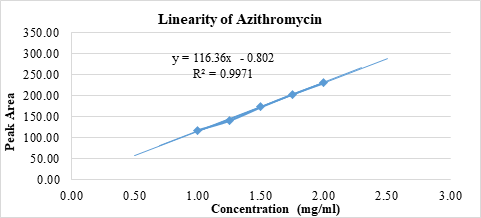
Figure 1. HPLC Calibration Curve of AZM
3.2 Selection of Organic Phase3.2.1 Solubility of AZM in Oil. The solubility of AZM in different oils is shown below in Table 1.
Table 1. Solubility of AZM (mean±SD, n=3) in Various Oils
|
Components |
Solubility (mg/ml) |
|---|---|
|
Eucalyptus Oil |
20.67±1.65 |
|
Lavender Oil |
50.67±1.75 |
|
Peppermint Oil |
198.7±6.81 |
The amount of drug loaded in any formulation depends on the solubility of the drug in formulation components. An important selection criterion of oils is their dissolving capacity, which influences the solubilizing ability of NEs. To incorporate the target drug dose into an NE with low drug solubility, a higher concentration of the oil is needed, which would in turn necessitate the use of an excessive concentration of surfactant to attain the desired oil solubilization, potentially increasing the system’s toxicity [37]. AZM showed maximum solubility in peppermint oil, that is, 198.7±6.81mg/ml, while the solubility of AZM in eucalyptus oil and lavender oil was 20.67±1.65 mg/ml and 50.67±1.75 mg/ml, respectively.
3.2.2 Screening of Surfactants. The emulsification capabilities of non-ionic surfactants, namely Tween 20 and Tween 80, having higher HLB values of 16.7 and 15 respectively, were investigated with various oils. A surfactant which produces a clear emulsion with minimum inversions and maximum transparency is an ideal choice [38].
Literature showed that Tween 20 is more biocompatible, less toxic, less hemolytic, and causes less irritation to cellular surfaces. Moreover, it is also able to maintain physiological pH in solutions [23]. Therefore, Tween 20 was selected to prepare the NEs (Table 2).
The surfactant concentration in the outer phase plays a crucial role in the emulsification process. It promptly reduces the interfacial tension between the phases of emulsion and also helps to prevent emulsion droplets from coalescence and aggregation [39]. The right choice of surfactant with the minimum required concentration is desirable for the formulation. Other important surfactant parameters which should be considered are CMCs (critical micellar concentration), HLB value, and toxicity. Non-ionic surfactants were chosen as they are biocompatible and remain least affected by changes in the ionic strength and pH. The surfactant that produces the largest NE area without the addition of a co-surfactant remainsthe optimum choice [37].
3.3 Preparation of NEsThe oil-in-water NE contained the following constituents: eucalyptus oil, peppermint oil, and lavender oil as solvents, Tween 20 and Tween 80 as surfactants, and distilled water as the aqueous phase. Both oil and surfactants were used in equal volumes to constitute the organic phase. An emulsion system of 1:2 (oil to water) ratio was obtained.
Table 2. Emulsion Formation Using Different Surfactant-Oil Combinations
|
Oil |
Surfactant |
% Transmittance |
No. of Flask Inversions |
Results |
|---|---|---|---|---|
|
Eucalyptus Oil |
Tween20 |
80.5 |
3 |
+ |
|
Eucalyptus Oil |
Tween80 |
78.88 |
6 |
- |
|
Lavender Oil |
Tween20 |
96.98 |
2 |
+ |
|
Lavender Oil |
Tween80 |
94.88 |
3 |
- |
|
Peppermint Oil |
Tween20 |
99.98 |
2 |
+ |
|
Peppermint Oil |
Tween80 |
98.98 |
4 |
- |
3.4.1 Visual Inspection of the Prepared NE Formulations. The NEs containing peppermint oil and lavender oil as solvents were clear and transparent, while the NE containing eucalyptus oil as a solvent was turbid and white in color. Phase separation was observed in a short while after the formation of eucalyptus oil NE, as shown below in Figure 2.
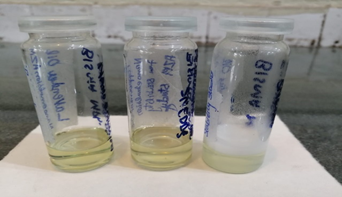
Figure 2. Visual Inspection of Prepared NEs
3.4.2 Number of Flask Inversions. The surfactant requiring the lowest number of flask inversions necessary to produce a consistent emulsion has the highest emulsification efficiency. In comparison to other surfactants, Tween 20 showed the best emulsification efficiency with the most transparency and the fewest flask inversions, as shown in Table 2.
3.4.3 Percentage Transmittance . Using a UV spectrophotometer set to a wavelength of 600 nm, the percentage transmittance of the formulated NEs was calculated. An NE with a percentage transmittance above 99% is regarded as transparent by nature [26].
The NE containing peppermint oil and Tween 20 was found to be clear and transparent, with a percentage transmittance value closer to 100%.
3.4.4 Emulsification Efficiency. An important index to assess the emulsification efficiency of a given NE is the rate at which the NE is emulsified. The NE should disperse completely and quickly by diluting it with water and with mild agitation. The emulsification efficiency of the formulated NEs was assessed by observing the number of flask inversions and percent transmittance/transparency, as given in Table 2. The values in Table 2 indicate that the NE containing peppermint oil as solvent and Tween 20 as surfactant had the highest emulsification efficiency.
3.4.5 Thermodynamic Stability. The formulated drug-loaded NE system of peppermint oil and lavender oil remained physically stable with no phase separation after three cycles of storage at 4°C and 45°C respectively for 48 hours. The NE system consisting of eucalyptus oil was unstable and phase separation was observed while keeping the emulsion in a standing position at room temperature. The instability of eucalyptus oil formulation could be because of the preparation method of the respective NE. The above NE was formulated without using a high energy method, that is, sonication, remained unstable, and phase separation was observed right after preparation in a past study [40]. Only stable formulations were selected for the centrifugation test.
Both peppermint oil and lavender oil NEs remained stable in centrifugation tests and storage stability investigations, as reported in Table 3. These formulations remained as a homogenous mixture after centrifugation for 30 minutes at 5000 rpm. These stable formulations were then subjected to freeze-thaw cycles thrice at the temperatures of -21° C and +25 °C, for 48 hours at both temperatures, turn by turn. The stability of the tested formulations was visually examined. Both the formulations passed the test, as there was no flocculation, phase separation, or coalescence detected while storage at various extreme temperatures, as well as centrifugation, as depicted in Figure 3. Since these formulations survived all three stress tests, they are considered to have strong thermodynamic stability.
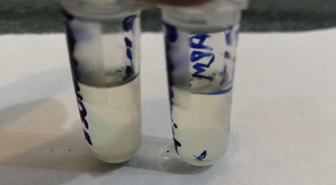
Figure 3. Visual Inspection of Nanoemulsions after Thermodynamic Stress Studies
Table 3. Thermodynamic Stability of Formulated NEs
|
Formulation based on Oil |
Stability |
||
|---|---|---|---|
|
Heating Cooling Cycle |
Centrifugation Test |
Freeze Thaw Cycle |
|
|
Eucalyptus Oil NE |
Unstable |
― |
― |
|
Lavender Oil NE |
Stable |
Stable |
Stable |
|
Peppermint Oil NE |
Stable |
Stable |
Stable |
3.4.5.1Cloud Point Measurement. The temperature that turns the aqueous solution of water miscible non-ionic surfactant turbid is considered as the cloud point of that surfactant. The temperature below the cloud point keeps the formulation stable. Non-ionic surfactants contain a polyoxyethylene oxide part, which gets dehydrated at an elevated temperature, causing phase separation that turns the NE cloudy and white. This marks a physical change in the formulation that has a negative impact on drug absorption. As a result, the formulation should have a cloud point much greater than the normal body temperature [28]. Lavender oil NE got turbid at 92°C, while peppermint oil NE did not get turbid even at above 200°C.
3.4.6 Physical Characterization of NEs. The pH, refractive index, viscosity, particle size, and polydispersity index play a crucial role in the physical characterization of NEs. The NE formulation for inhalation should be adjusted to the pH range of 4.5 to 8.7 to ensure nebulized drug tolerability [41]. Transparent dosage forms have refractive indices between 1 and 2 [42]. The uniform NE structure (isotropic character) is indicated by similar refractive index values [43]. The viscosity determines the type of emulsion; a low value of viscosity indicates an O/W emulsion system, while a high value of viscosity indicates a W/O emulsion [26, 43]. For a nanoemulsion with a droplet size smaller than 400 nm, the risk of capillary blockage during circulation is minimal (the diameter of the thinnest blood capillary is 400 nm). The prolonged residence time followed by in vivo administration is also dependent on a small droplet size distribution [43]. The emulsion droplets are monodispersed if they have a polydispersity index value of less than 0.2 [40].
The analyzed values of the above-mentioned parameters for the prepared formulations are given below in Table 4. These results are consistent with the literature values.
Table 4. Characterization of NEs
|
Oil used in NEs |
pH |
Refractive Index |
Viscosity (cP) |
Average Size (nm) |
Polydispersity Index |
|
|---|---|---|---|---|---|---|
|
Lavender Oil |
6.18 |
1.39 |
16.46 |
109.5 |
0.157 |
|
|
Peppermint Oil |
6.45 |
1.39 |
15.91 |
59.7 |
0.124 |
3.4.7 Characterization of NE Aerosol. The values obtained for spray efficiency for the NE containing lavender oil and peppermint oil were 5.65±0.65 cm and 4.25±0.09 cm, respectively. The volume per actuation calculated for the NE containing lavender oil was 0.12±0.04 and for the NE containing peppermint oil it was 0.11±0.04 (Table 5).
Table 5. Characterization of Aerosol
|
Spray Efficiency (cm) |
Spray Actuity/Capacity |
|
|---|---|---|
|
Volume of 50 Actuations (ml) |
Volume of 01 Actuation (ml) |
|
|
5.65 |
6 |
0.12 |
|
4.25 |
5.5 |
0.11 |
3.4.8 Microbiological Studies. Antimicrobial testing revealed that the AZM NE demonstrated the strongest activity against Staphylococcus aureus, with 63% of clinical isolates showing sensitivity – a significantly higher rate than that observed for Moraxella catarrhalis (49.6%, p = 0.012) or Streptococcus pyogenes (47%, p = 0.007) (SPSS). Notably, 17% of S. aureus strains were found to be resistant as presented in Table 6, potentially reflecting emerging macrolide resistance mechanisms (erm gene expression) in clinical settings [44].
As anticipated, Klebsiella pneumoniae exhibited complete resistance (100%), aligning with its characteristic impermeability to macrolides due to its gram-negative outer membrane structure [45–47]. This confirmed that nanoencapsulation alone cannot overcome intrinsic bacterial resistance barriers.
Table 6. Bacterial Sensitivity to AZM
|
Bacteria |
Antibiotic sensitive (%) |
Antibiotic Resistant (%) |
|---|---|---|
|
Streptococcus pyogenes |
47 |
53 |
|
Moraxella catarrhalis |
49.6 |
51.4 |
|
Klebsiella pneumonia |
0 |
100 |
|
Staphylococcus aureus |
63 |
17 |
4. CONCLUSION
Aerosol formulations of AZM NEs were formulated successfully in this research. The results showed that eucalyptus oil NE did not remain stable due to the low-energy method of formulation. The rest of the formulations remained stable and exhibited good characterization. The aerosols of the peppermint oil NE and lavender oil NE were successfully formulated as a targeted drug delivery system. The prepared formulations can help in direct drug targeting to infected lung cells at a low dose. This study suggests that the aerosolization of the NEs of AZM can be optimized to deliver AZM to the respiratory tract.
CONFLICT OF INTEREST
The authors have no financial or non-financial conflict of interest in this manuscript.
DATA AVAILABILITY STATEMENT
Relevant data generated and analyzed during this study can be obtained from the corresponding author upon request. Access to certain portions of the dataset may be limited in order to maintain patient confidentiality and comply with institutional guidelines.
FUNDING DETAILS
This research did not receive any specific grant from funding agencies in the public, commercial, or not-for-profit sectors.
REFERENCES
- Firth A, Prathapan P. Azithromycin: the first broad-spectrum therapeutic. Eur J Med Chem. 2020;207:112739. https://doi.org/10.1016/j.ejmech.2020.112739
- Ballow CH, Amsden GW. Azithromycin: the first azalide antibiotic. Ann Pharmacother. 1992;26(10):1253–1261. https://doi.org/10.1177/106002809202601014
- Idkaidek NM, Najib N, Salem I, Jilani J. Physiologically-based IVIVC of azithromycin. Am J Pharmacol Sci. 2014;2(6):100–102. https://doi.org/10.12691/ajps-2-6-1
- Metlay JP, Waterer GW. Treatment of community-acquired pneumonia during the coronavirus disease 2019 (COVID-19) pandemic. Ann Intern Med. 2020;173(4):304–305. https://doi.org/10.7326/M20-2189
- Naseri N, Zakeri-Milani P, Hamishehkar H, Pilehvar-Soltanahmadi Y, Valizadeh H. Development, in vitro characterization, antitumor and aerosol performance evaluation of respirable prepared by self-nanoemulsification method. Drug Res (Stuttg). 2017;67(6):343–348. https://doi.org/10.1055/s-0043-102404
- Arora SC, Sharma PK, Irchhaiya R, Khatkar A, Singh N, Gagoria J. Development, characterization and solubility study of solid dispersions of azithromycin dihydrate by solvent evaporation method. J Adv Pharm Technol Res. 2010;1(2):221–228. https://doi.org/10.4103/0110-5558.72425
- Stielow M, Witczyńska A, Kubryń N, Fijałkowski Ł, Nowaczyk J, Nowaczyk A. The bioavailability of drugs—the current state of knowledge. Molecules. 2023;28(24):8038. https://doi.org/10.3390/molecules28248038
- Ghosh S, Ghosh S, Sil PC. Role of nanostructures in improvising oral medicine. Toxicol Rep. 2019;6:358–368. https://doi.org/10.1016/j.toxrep.2019.04.004
- Thorat YS, Gonjari ID, Hosmani AH. Solubility enhancement techniques: a review on conventional and novel approaches. Int J Pharm Sci Res. 2011;2(10):2501–2513. https://doi.org/10.13040/IJPSR.0975-8232.2(10).2501-13
- Ahmad N, Ansari K, Alamoudi MK, et al. A novel mucoadhesive paliperidone-nanoemulsion developed using the ultrasonication method in the treatment of schizophrenia. RSC Adv. 2024;14(33):23952–23972. https://doi.org/10.1039/D4RA04624B
- Amani A, York P, Chrystyn H, Clark BJ. Evaluation of a nanoemulsion-based formulation for respiratory delivery of budesonide by nebulizers. AAPS PharmSciTech. 2010;11(3):1147–1151. https://doi.org/10.1208/s12249-010-9486-9
- Ammar HO, Salama H, Ghorab M, Mahmoud AA. Nanoemulsion as a potential ophthalmic delivery system for dorzolamide hydrochloride. AAPS PharmSciTech. 2009;10(3):808–819. https://doi.org/10.1208/s12249-009-9268-4
- Araújo FA, Kelmann RG, Araújo BV, Finatto RB, Teixeira HF, Koester LS. Development and characterization of parenteral nanoemulsions containing thalidomide. Eur J Pharm Sci. 2011;42(3):238–245. https://doi.org/10.1016/j.ejps.2010.11.014
- Azeem A, Talegaonkar S, Negi LM, Ahmad FJ, Khar RK, Iqbal Z. Oil based nanocarrier system for transdermal delivery of ropinirole: a mechanistic, pharmacokinetic and biochemical investigation. Int J Pharm. 2012;422(1-2):436–444. https://doi.org/10.1016/j.ijpharm.2011.10.039
- Laouini A, Andrieu V, Vecellio L, Fessi H, Charcosset C. Characterization of different vitamin E carriers intended for pulmonary drug delivery. Int J Pharm. 2014;471(1-2):385–390. https://doi.org/10.1016/j.ijpharm.2014.05.062
- Okaru AO, Abuga KO, Kamau FN, Ndwigah SN, Lachenmeier DW. A robust liquid chromatographic method for confirmation of drug stability of azithromycin in bulk samples, tablets and suspensions. Pharmaceutics. 2017;9(1):11. https://doi.org/10.3390/pharmaceutics9010011
- Chaudhari PM, Kuchekar MA. Development and evaluation of nanoemulsion as a carrier for topical delivery system by box-behnken design. Asian J Pharm Clin Res. 2018;11(8):286–293. https://doi.org/10.22159/ajpcr.2018.v11i8.26359
- Date AA, Nagarsenker MS. Design and evaluation of self-nanoemulsifying drug delivery systems (SNEDDS) for cefpodoxime proxetil. Int J Pharm. 2007;329(1-2):166–172. https://doi.org/10.1016/j.ijpharm.2006.08.038
- Ruan J, Liu J, Zhu D, et al. Preparation and evaluation of self-nanoemulsified drug delivery systems (SNEDDSs) of matrine based on drug–phospholipid complex technique. Int J Pharm. 2010;386(1-2):282–290. https://doi.org/10.1016/j.ijpharm.2009.11.026
- Prajapati ST, Joshi HA, Patel CN. Preparation and characterization of self-microemulsifying drug delivery system of olmesartan medoxomil for bioavailability improvement. J Pharm. 2013;2013:728425. https://doi.org/10.1155/2013/728425
- Kulkarni M, Goge N, Date AA. Development of nanoemulsion preconcentrate of capsanthin with improved chemical stability. Assay Drug Dev Technol. 2020;18(1):34–44. https://doi.org/10.1089/adt.2019.916
- Ismail A, Nasr M, Sammour O. Nanoemulsion as a feasible and biocompatible carrier for ocular delivery of travoprost: improved pharmacokinetic/pharmacodynamic properties. Int J Pharm. 2020;583:119402. https://doi.org/10.1016/j.ijpharm.2020.119402
- Ebenazer A, Franklyne JS, Mukherjee A, Chandrasekaran N. Development of azithromycin loaded lemongrass oil based microemulsion and determination of antibacterial potential. Int J Appl Pharm. 2018;10(6):72–81. https://doi.org/10.22159/ijap.2018v10i6.25417
- Dasgupta S, Dey S, Choudhury S, Mazumder B. Topical delivery of aceclofenac as nanoemulsion comprising excipients having optimum emulsification capabilities: preparation, characterization and in vivo evaluation. Expert Opin Drug Deliv. 2013;10(4):411–420. https://doi.org/10.1517/17425247.2013.749234
- Shafiq S, Shakeel F, Talegaonkar S, Ahmad FJ, Khar RK, Ali M. Design and development of oral oil in water ramipril nanoemulsion formulation: in vitro and in vivo assessment. J Biomed Nanotechnol. 2007;3(1):28–44. https://doi.org/10.1166/jbn.2007.008
- Gurpreet K, Singh SK. Review of nanoemulsion formulation and characterization techniques. Indian J Pharm Sci. 2018;80(5):781–789. https://doi.org/10.4172/pharmaceutical-sciences.1000428
- Doost AS, Dewettinck K, Devlieghere F, Van der Meeren P. Influence of non-ionic emulsifier type on the stability of cinnamaldehyde nanoemulsions: a comparison of polysorbate 80 and hydrophobically modified inulin. Food Chem. 2018;258:237–244. https://doi.org/10.1016/j.foodchem.2018.03.078
- Pund S, Thakur R, More U, Joshi A. Lipid based nanoemulsifying resveratrol for improved physicochemical characteristics, in vitro cytotoxicity and in vivo antiangiogenic efficacy. Colloids Surf B Biointerfaces. 2014;120:110–117. https://doi.org/10.1016/j.colsurfb.2014.05.016
- Asmawi AA, Salim N, Abdulmalek E, Rahman MBA. Modeling the effect of composition on formation of aerosolized nanoemulsion system encapsulating docetaxel and curcumin using D-optimal mixture experimental design. Int J Mol Sci. 2020;21(12):4357. https://doi.org/10.3390/ijms21124357
- Adamski P, Dylik-Gromiec A. A determination of the cholesteric liquid crystalline temperature range by birefringence measurements in an Abbe refractometer. Mol Cryst Liq Cryst. 1974;25(3-4):273–280. https://doi.org/10.1080/15421407408082806
- Patel RP, Joshi JR. An overview on nanoemulsion: a novel approach. Int J Pharm Sci Res. 2012;3(12):4640–4650. https://doi.org/10.13040/IJPSR.0975-8232.3(12).4640-50
- Bhatt P, Madhav S. A detailed review on nanoemulsion drug delivery system. Int J Pharm Sci Res. 2011;2(10):2482–2489. https://doi.org/10.13040/IJPSR.0975-8232.2(10).2482-89
- Barzegar H, Mehrnia MA, Nasehi B, Alipour M. Fabrication of peppermint essential oil nanoemulsions by spontaneous method: effect of preparing conditions on droplet size. Flavour Fragr J. 2018;33(5):351–356. https://doi.org/10.1002/ffj.3455
- Asmawi AA, Salim N, Abdulmalek E, Rahman MBA. Size-controlled preparation of docetaxel-and curcumin-loaded nanoemulsions for potential pulmonary delivery. Pharmaceutics. 2023;15(2):652. https://doi.org/10.3390/pharmaceutics15020652
- Arbain NH, Salim N, Masoumi HRF, Wong TW, Basri M, Rahman MBA. In vitro evaluation of the inhalable quercetin loaded nanoemulsion for pulmonary delivery. Drug Deliv Transl Res. 2019;9(2):497–507. https://doi.org/10.1007/s13346-018-0509-5
- Kalyoncu F, Cetin B, Saglam H. Antimicrobial activity of common madder (Rubia tinctorum L.). Phytother Res. 2006;20(6):490–492. https://doi.org/10.1002/ptr.1884
- Azeem A, Rizwan M, Ahmad FJ, et al. Nanoemulsion components screening and selection: a technical note. AAPS PharmSciTech. 2009;10(1):69–76. https://doi.org/10.1208/s12249-008-9178-x
- Nasr A, Gardouh A, Ghorab M. Novel solid self-nanoemulsifying drug delivery system (S-SNEDDS) for oral delivery of olmesartan medoxomil: design, formulation, pharmacokinetic and bioavailability evaluation. Pharmaceutics. 2016;8(3):20. https://doi.org/10.3390/pharmaceutics8030020
- Badawy MEI, Saad A-FS, Tayeb E-SHM, Mohammed SA, Abd-Elnabi AD. Optimization and characterization of the formation of oil-in-water diazinon nanoemulsions: modeling and influence of the oil phase, surfactant and sonication. J Environ Sci Health B. 2017;52(12):896–911. https://doi.org/10.1080/03601234.2017.1362941
- Sugumar S, Mukherjee A, Chandrasekaran N. Eucalyptus oil nanoemulsion-impregnated chitosan film: antibacterial effects against a clinical pathogen, Staphylococcus aureus, in vitro. Int J Nanomedicine. 2015;10(Suppl 2):67–75. https://doi.org/10.2147/IJN.S79982
- Law S. Stability of preservative-free tobramycin in half-normal saline. Can J Hosp Pharm. 2001;54(3):214–215. https://doi.org/10.4212/cjhp.v54i3.659
- Shah K, Chan LW, Wong TW. Critical physicochemical and biological attributes of nanoemulsions for pulmonary delivery of rifampicin by nebulization technique in tuberculosis treatment. Drug Deliv. 2017;24(1):1631–1647. https://doi.org/10.1080/10717544.2017.1384298
- Bali V, Ali M, Ali J. Study of surfactant combinations and development of a novel nanoemulsion for minimising variations in bioavailability of ezetimibe. Colloids Surf B Biointerfaces. 2010;76(2):410–420. https://doi.org/10.1016/j.colsurfb.2009.11.021
- Fyfe C, Grossman TH, Kerstein K, Sutcliffe J. Resistance to macrolide antibiotics in public health pathogens. Cold Spring Harb Perspect Med. 2016;6(10):a025395. https://doi.org/10.1101/cshperspect.a025395
- Ashurst JV, Dawson A. Klebsiella pneumonia. StatPearls Publishing; 2025.
- Braun HG, Perera SR, Tremblay YDN, Thomassin J-L. Antimicrobial resistance in Klebsiella pneumoniae: an overview of common mechanisms and a current Canadian perspective. Can J Microbiol. 2024;70(12):507–528. https://doi.org/10.1139/cjm-2024-0032
- Rocker A, Lacey JA, Belousoff MJ, et al. Global trends in proteome remodeling of the outer membrane modulate antimicrobial permeability in Klebsiella pneumoniae. mBio. 2020;11(2):e00603-20. https://doi.org/10.1128/mbio.00603-20