

| Review | Open Access |
|---|
Association of Proprotein Convertase Subtilisin/Kexin Type 9 (PCSK9) Polymorphism with Atherosclerosis: A Bibliometric Analysis |
 |
|---|
 Rafia1, Sehrish Basheer1, Adila Khalil2, and Misbah Hussain1*
1Department of Biotechnology, University of Sargodha, Pakistan
2Department of Biomedical Engineering, University of Arkansas, United States of America
Bibliometric analysis offers a sophisticated approach to mapping the development and boundaries of a discipline. This study aimed to map global research trends on Proprotein Convertase Subtilisin or Kexin Type 9 (PCSK9) polymorphisms in atherosclerosis, an area with little previous investigation, using bibliometric analysis. PCSK9 is involved in the metabolism of cholesterol, impacting the risk of atherosclerotic cardiovascular disease (ASCVD). Understanding the relationship between PCSK9 polymorphisms and atherosclerosis mayhelp design suitable therapeutic strategies. Dimensions database was searched to retrieve research and review articles using query [TS = ((PCSK9 AND Polymorphism OR Variant) AND (Atherosclerosis))]. Articles published between 2004 and 2024 were included. VOS viewer software was used for data visualization and analysis. Total 816 research and review articles were retrieved. Research trend indicated a gradual rise in count of articles annually. Brigham and Women's Hospital, USA contributed the most in this research field. Robert Patrick Giugliano (Brigham and Women's Hospital, USA) and Marc Steven Sabatine (Brigham and Women's Hospital, USA) were the top contributors. In the discipline of atherosclerosis and cardiovascular diseases (CVDs), the high impacting journal is The European Heart Journal. Current research hot spots, such as hypercholesterolemia, PCSK9, atherosclerosis, statin therapy, and inflammation, were identified by a keyword analysis and major literature review. Recently, extensive interest in association of PCSK9 polymorphism with atherosclerosishas been explored internationally. Currently, the discipline is experiencing an upsurge in research with a focus on inflammation and coronary arteries.
1. INTRODUCTION
Cardiovascular diseases (CVDs) pose a major threat to public health, causing the death of millions of people worldwide [1]. A study showed that in 2013 about 30% of deaths were caused by CVDs globally [2]. CVDs are the leading cause of mortality in USA [3]. In 2020, approximately 3,358,814 deaths occurred, of which 690,882 were caused by CVDs [4]. Among various causes, atherosclerosis is considered as the major risk factor of CVDs, heart attack [1], and loss of productive life globally [5–7]. It is linked to several risk factors, primarily inflammation in the blood vessels play a significant role in the progression of atherosclerosis [7]. The process of atherosclerosis begins with alteration in the endothelium, the inner lining of arteries, leading to the build-up of oxidation and sugar damage of bad Low-density Lipoprotein cholesterol (LDL-C). The oxidation of LDL is highly immunogenic. This triggers the formation of sticky molecules and chemical signals that attract immune cells, such as B-cells and T-cells [8], further fueling the disease process [9]. Elevated concentration of LDL-C), a type of dyslipidemia, is the primary driver of atherosclerosis development and advancement [10]. Numerous studies have shown a direct logarithmic link between the risk of atherosclerosis and bad cholesterol level [11, 12].
The level of bad cholesterol in blood stream is mainly controlled by the activity of the Proprotein Convertase Subtilisin or Kexin Type 9(PCSK9) enzyme whichis involved in the regulation of a number of low-density lipoprotein receptors (LDLRs) [13, 14]. Pro-protein convertases are a group of proteins that modify other proteins after their formation, such as cutting and activating hormone proteins [15]. It was thought that PCSK9 is synthesized in liver; however, some investigations revealed that it is also produced in other cells, such as those in the walls of blood vessels [16–18]. PCSK9 is an enzyme having molecular weight of 72 kilo Dalton that contains three main domains [19, 20]. The level of LDL-C is regulated by PCSK9 through binding to hepatic LDLRs, resulting in the degradation of LDLRs by lysosomal pathway. However, if mutation occursin PCSK9 gene, it may increase the breakdown of LDLRs and obstruct recycling process [21–23]. Therefore, enhanced PCSK9 level and the ultimate degradation of LDLRs cause an increase in blood LDL-C, an influential atherosclerotic factor that causes diseases, such as coronary heart disease (CAD) [24, 25].
Till now, 163 mutations have been reported in PCSK9 gene, most of them are gain of function/loss of function mutations [26] .rs505151 polymorphism in PCSK9 gene is a gain of function mutation which increases the ability of hepatocytes to degrade LDLRs. This leads towards an increase in blood LDL-C and ultimately increases the risk of atherosclerosis and hypercholesterolemia [27]. On the other hand, loss of function mutations may reduce the functionality of PCSK9 protein. Moreover, it may also trigger reduction in the concentration of circulating bad cholesterol, thus decreasing the risk of cardiovascular disorders [20, 28].
Despite significant advancements in our understanding of the molecular biology of PCSK9 and its polymorphisms in connection to lipid control, the majority of published research has explored clinical relationships or experimental results. It is yet unknown how research in this field has changed over time, who the primary contributors are, and which directions are becoming more and more well-known. Bibliometric analysis offers a sophisticated approach to mapping the development and boundaries of a discipline [29]. Up till now, no thorough bibliometric analysis has been conducted that shows the association between PCSK9 polymorphism and atherosclerosis. Such an analysis is essential to track collaborations, find knowledge clusters, and reveal unexplored regions that could inform future clinical and genetic research. To investigate the worldwide research output on PCSK9 polymorphisms and atherosclerosis, the current study used a bibliometric technique. In order to provide insights for future research directions, this study aimed to address specific goals. These included map research hotspots and thematic evolution, identify leading authors, institutions, and countries contributing to this field. Moreover, the study also examined citation patterns and analyzed publication trends over time.
2. METHODS
The purpose of this bibliometric analysis was to thoroughly assess the body of research on the association between PCSK9 polymorphisms and atherosclerosis. Relevant publications were found, selected, and analyzed for the study using accepted bibliometric methods. To guarantee thorough coverage and trustworthy results, the process comprised data gathering and analysis.
2.1. Data CollectionThe current study used dimensions database or data retrieval. Due to wider coverage of biomedical publications, integration of a variety of research outputs, and free access, dimensions database was chosen above Web of Science (WoS) and Scopus. Moreover, it was updated frequently and included altimetric indicators. It was especially well-suited to document the changing field of PCSK9 polymorphism research. In the dimensions database, a structured Boolean query was used to guarantee reproducibility and transparency. The precise search syntax that was applied TS = ((PCSK9 AND Polymorphism OR Variant) AND (Atherosclerosis)). Major concepts were combined using the Boolean operator AND, whereas alternative phrases characterizing genetic variation were captured using OR. To keep the query in logical sequence, brackets were employed. The current analysis included original research and journal articles only. A total of 43 reprints, 6 book chapters, and 6 proceedings were excluded. The time span was limited from 2004-2024 and entry data was retrieved on 5th September 2024 at 16:37. A total of 828 articles were retrieved from which duplicate documents were excluded and816manuscripts were finally obtained. Microsoft Excel was used to find and eliminate duplicate records. Using the Sort function (Data tab) on the first column, the dataset was initially arranged alphabetically to assist group similar entries together. After that, redundant records were manually filtered and removed.
2.2. Data AnalysisTo enhance the validity of sequential bibliometric analysis, the collected literature data was exported as simple text file. Afterwards, to facilitate in-depth analysis and visualization, the study utilized a range of advanced bibliometric software, such as VOSviewer and Microsoft Excel [30]. The extracted data included author information, keywords, organizational association, countries or region, and publication details. VOSviewer generated visual maps comprising nodes and connections, where nodes represented entities. These included authors, regions or organizations where size and colour indicated frequency and type. Moreover, connection frequency between nodes reflected co-citation and collaboration rates. While, nodes centrality measured importance within network, indicating its impact on the specific field. For further analysis and visualization, Microsoft Excel was used. Whereas, VOSviewer is a specialized application software designed for knowledge mapping and visualization. This software is recognized for its robust capabilities in handling large scale data and generating interactive graphical displays [31].
3. RESULTS
A thorough summary of research on PCSK9 polymorphism and its connection to atherosclerosis was generated by using bibliometric tools. Important bibliometric factors, such as publication volume, authorship trends, country contributions, journal impact, institutional affiliations, and keyword trends were mainly focused. The results provided insights on how this field of study has developed and highlighted notable authors, cooperative networks, and new research areas.
3.1. Worldwide Trends of Publication OutputsThe selected query and inclusion criteria identified 816 research and review articles. A discipline's trend and rate of research progress may be inferred from the number of publications in that field. The first article incorporated in this study was published in 2004. It was seen that the yearly publication of articles in this area was fewer than 50 until 2015.From that point on, it expanded rapidly with 66 publications in 2017, 110 publications in 2021, 129 publications in 2022, and 60 publications in 2024. In line with the number of publications, the literature citation volume has increased significantly every year. So, this analysis divides the volume of publications into 3 separate stages. The initial period spanned from 2004-2012, the annual volume of manuscripts was less than 30 as it was the beginning of the studies in atherosclerosis. Then in the next phase between 2013-2016, there were varying numbers of published manuscripts and the number of publications were less than 80 per year. Finally, the third and ongoing phase began in 2018, which showed a steady increase in the number of publications. During this stage, the annual number of publications increased to 100 and the highest number of publications were observed in 2022. Luis Masana from Spain was the top contributor for year 2017. Maciej Banach from Poland and Dr. Stephan Windecker from Switzerland were top contributors in the years 2021 and 2022, respectivelyas shown in Figure 1.
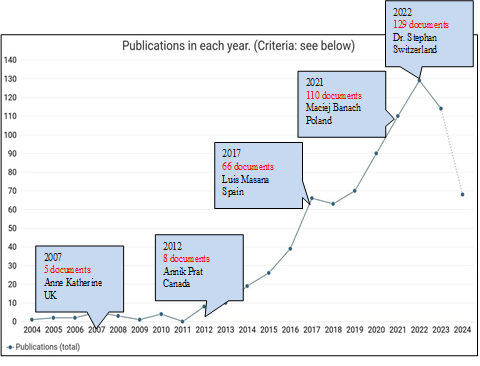
Figure 1. Trend in Publications per Year and Top Contributors in Years with Peak Increase in Publications
3.2. Countries and Institutes’ Co-occurrence AnalysisAccording to the dimensions database, researchers from European countries, including the United States, United Kingdom, Netherlands, Italy, Germany, and Australia, are more willing to work in a particular area of study across 68 participating countries or regions active in discipline of PCSK9 polymorphism and atherosclerosis. The academics and researchers of these nations are also more cooperative than those in China, which is producing more articles than those in UK and other European countries. However, their connection is not as strong, possibly due to language-related publication difficulties, as well as the prevalence of intra-country research. Among these countries, United States has the largest number of publications (232 publications with link strength 249), followed by UK (62 publications with link strength 185), Netherlands (50 publications with link strength 161), Italy (78 publications with link strength155), and Germany (61 publications with link strength 132) (Table1).
Table 1. Top Publishing Countries and Institutes from 2004-2024
|
No |
Countries |
Institutes |
||||||
|---|---|---|---|---|---|---|---|---|
|
Name |
Documents |
Citations |
Link strength |
Name |
Documents |
Citations |
Link strength |
|
|
1 |
United States |
232 |
24879 |
249 |
Brigham and women’s hospital |
35 |
2897 |
119 |
|
2 |
United Kingdom |
62 |
6266 |
189 |
Amgen |
28 |
8065 |
110 |
|
3 |
Netherlands |
50 |
7168 |
161 |
Harvard University |
31 |
1798 |
104 |
|
4 |
Italy |
78 |
5404 |
155 |
Academic Medical Center |
11 |
2271 |
76 |
|
5 |
Germany |
61 |
5956 |
132 |
Imperial College London |
22 |
1460 |
76 |
|
6 |
Australia |
36 |
5879 |
107 |
University of Milan |
25 |
800 |
74 |
|
7 |
France |
35 |
4037 |
98 |
Medical University of Lodz |
18 |
600 |
69 |
|
8 |
Switzerland |
|
2099 |
93 |
University of Amsterdam |
9 |
1313 |
58 |
|
9 |
Sweden |
30 |
4252 |
91 |
Medical University of Vienna |
13 |
402 |
57 |
|
10 |
Poland |
37 |
2183 |
79 |
German Centre for Cardiovascular Research |
15 |
1489 |
56 |
Using VOSviewer, the number of publications was restricted from each country to 5 for visual assessment of inter-national cooperation (Fig. 2). The generated network shows 338 linkages, 8clusters, and 39 countries and regions. In this figure, the red cluster is largest and mostly made up of the United States, UAE, Taiwan, Japan, and South Korea. Afterwards, the clusters of green color indicate Italy, UK, Greece, Iran, and several countries. However, the clusters of blue color are dominated by Spain, Sweden, Belgium, Portugal, and Denmark. In the same way, the clusters of yellow color represent Germany, Switzerland, Netherlands, Russia, Turkey, and Austria. Purple clusters show France and Lebanon, while sky blue clusters represent Canada and South Africa. Additionally, Orange cluster is composed of Hungary and brown cluster is composed of India. Table1 displays 10 leading countries in terms of manuscript count.
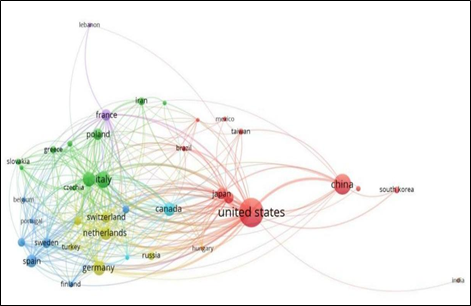
Figure 2. Co-occurrence Network of Countries based on Co-authorship Analysis
Each country is represented by a node, and the quantity of publications can be depicted by the size of node. A co-occurrence relationship is shown by the links between nodes. On the basis of number of publications, the leading countries are shown in the figure. Among them, the United States holds the top position.
Research institutes tend to have the most disciplined research groups, with clearly defined aims and objectives. Overall, 1556 institutions took part in the atherosclerosis study. VOSviewer was utilized to construct the institutional collaboration chart for the literature data (Fig.3).
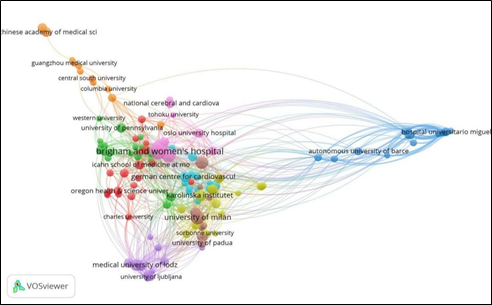
Figure 3. Visual Representations of Institutions
Each institution is represented by a node, with size reflecting publication volume and connected lines indicating collaboration strength. Leading institutions include those in the United States and Europe.
According to this analysis, the leading American institutions, such as Brigham and Women's Hospital and the University of Texas Health Center Houston, encourage cooperation and make substantial contributions to the field of PCSK9 polymorphism and atherosclerosis.According to the dimensions database, thetop10institutionsforarticleoutput in this field are Brigham and Women's Hospital (35 publications), Amgen (28 publications), Harvard University (31 publications), Academic Medical Center (11 publications), Imperial College London (22 publications), University of Milan (25 publications), Medical University of Lodz(18 publications), University of Amsterdam (9 publications), Medical University of Vienna (13 publications), and German Centre for cardiovascular research (15 publications) (Table. 1).
3.3. Top Publishing JournalsThe main channel for exchanging and disseminating scholarly work is journals. Therefore, to find journals with a large number of articles and a considerable influence on the subject, VOSviewer was used. In order to assess a journal's influence, important metrics including the number of citations and publications were examined. It was found that articles on PCSK9 polymorphism and atherosclerosishave been published in 361 journals.Table 2 displays the 10 leading journals on the basis of citations quantity, where The European Heart Journal (3908) was cited the most and succeeded by Atherosclerosis (622), Atherosclerosis Thrombosis and Vascular Biology (856), International Journal of Molecular sciences (345), Frontier in Cardiovascular Medicine(314), Journal of Atherosclerosis and Thrombosis (641), and Circulation (1600).
Table 2. Top Publishing Journals with Respective Citation Mean
|
Sr. No |
Name of Journals |
Publications |
Citations |
Citations Mean |
|---|---|---|---|---|
|
1 |
European Heart Journal |
32 |
3908 |
122.13 |
|
2 |
Atherosclerosis |
30 |
622 |
20.73 |
|
3 |
Atherosclerosis Thrombosis and Vascular Biology |
22 |
856 |
38.91 |
|
4 |
International Journal of Molecular Sciences |
19 |
345 |
18.16 |
|
5 |
Frontiers in Cardiovascular Medicine |
17 |
314 |
18.47 |
|
6 |
Journal of Atherosclerosis and Thrombosis |
14 |
641 |
45.79 |
|
7 |
Circulation |
13 |
1600 |
123.08 |
|
8 |
Journal of Lipid Research |
13 |
496 |
38.15 |
|
9 |
Lipids in Health and Disease |
11 |
287 |
26.09 |
|
10 |
PLOS ONE |
11 |
453 |
41.18 |
Among these journals, Circulation has a higher citation mean and citation score, after The European Heart Journal, despite having less publications than other prestigious journals. This demonstrates unequivocally that publications published in Circulation are of a higher calibre than those published in other journals. The volume of journal publications is seen by VOSviewer, where each node's size in the graph represents the quantity of articles that have been written on a certain subject (Fig. 4). Recent publications are represented by warmer colours, whereas earlier ones are denoted by cooler shades. Moreover, the average publications year is represented by node colours.
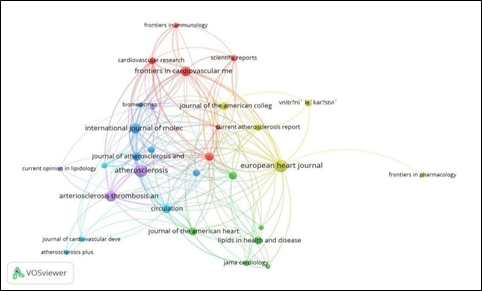
Figure 4. Visual Maps of Journals That Publish on PCSK9 in Association with Atherosclerosis. Node size Represents Publishing Output, Whereas Linkages Indicate Co-citation Strength. Leading Periodicals Include European Heart Journal, Atherosclerosis, and Circulation
3.4. Contributions of AuthorJust like the analysis of top publishing journals, VOSviewer was employed to study the contribution of authors. It was found that 816 articles were written by a total of 4844 authors. Although it may be impacted by an author's number of publications, citation count is a natural measure of their influence. Table 3 displays the 10 leading authors in terms of publications count and quantity of citations. Robert Patrick Giugliano of Brigham and Women's Hospital, United States, is the top contributing author according to co-occurrence analysis, as well as also has the highest citation score and cooperation link strength.
Table 3. Co-occurrence Analysis of Authors
|
Sr. No. |
Authors |
||||
|---|---|---|---|---|---|
|
Name |
Organization of Author |
Publications |
Citations |
Link Strength |
|
|
1 |
Robert Patrick Giugliano |
Brigham and Women's Hospital, United States |
11 |
1040 |
53 |
|
2 |
Marc Steven Sabatine |
Brigham and Women's Hospital, United States |
10 |
1028 |
52 |
|
3 |
Anhtony C Keech |
The University of Sydney, Australia |
6 |
520 |
39 |
|
4 |
Sabina A Murphy |
Brigham and Women's Hospital, United States |
7 |
665 |
38 |
|
5 |
Terje Ralf Pederson |
Oslo University Hospital, Norway |
6 |
551 |
38 |
|
6 |
Peter S Sever |
Imperial College London, United Kingdom |
6 |
551 |
38 |
|
7 |
Fernando Civeira |
Hospital Universitario Miguel Servet |
10 |
226 |
33 |
|
8 |
Jian-Jun Li |
Fuwai Hospital, China |
10 |
215 |
33 |
|
9 |
Armando Lira Pineda |
Amarin (United States) |
5 |
435 |
32 |
|
10 |
Yuan-Lin Guo |
ChinesAcademy of Medical Sciences and Peking Union Medical College, China |
7 |
146 |
31 |
Marc Steven Sabatine, the second author, works closely with Robert Patrick Giuglianoand hails from the same institute. In a similar vein, other eminent writers are working with investigators from the same institution. Figure 5demonstrates the existence of a collaborative network amongst several writers. Every dot represents a writer, the connections show that the writers have a cooperative relationship, the colour of the connections shows the initial incidence of collaboration, and the thickness of the connections shows how intense the cooperation is.
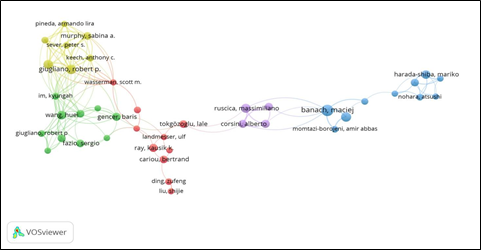
Figure 5. Co-occurrence Networkof Authors Based on Co-authorship Analysis
Node size denotes publication volume, whereas linkages represent co-authorship strength. Leading contributions create small clusters, indicating active collaboration.
3.5. Co-occurrence Analysis of Author’s KeywordsVOSviewer visualizes the keyword analysis of data obtained from the dimensions database using the same search query. Keywords function as a concise synopsis of a research article's core ideas and have a considerable impact on how widely academic findings are disseminated. Anarticle's keywords can be examined to determine the themes covered in the piece. The relationships between important terms are displayed in the keyword co-occurrence network diagram (Figure 6).
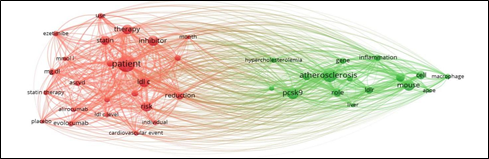
Figure 6. Visual Representationof Keywords
Each keyword is represented by a node and its size quantifies the occurrences. The links between nodes illustrate co-occurrence.
The frequency of the related keyword in literature is reflected in the size of each node. Keyword analysis shows that atherosclerosis, PCSK9, and inflammation are strongly correlated and belong to the same cluster. The polymorphism or variant is least studied as a keyword and was not found in the keywords provided by researchers. As shown in Figure 6, keyword clusters are divided into two categories: red and green.
3.6. Research CategoriesAmong the selected 816 articles, 76% manuscripts addressed the biomedical and clinical sciences, while only small number of published literatures onPCSK9 polymorphism and atherosclerosisbelonged to biological sciences and others (Figure7).
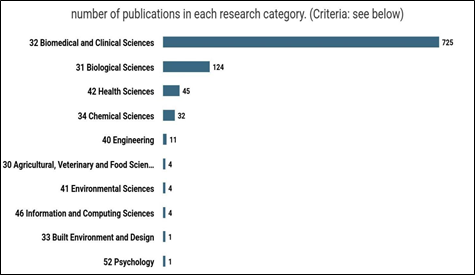
Figure7. Research Categories of Published Literature on PCSK9 Polymorphism and Atherosclerosis from 2004-2024
4. DISCUSSION
Bibliometric analysis considerably helps the researcher to determine the research trends in their area of interest. Bibliometric analysis has been conducted by many research groups to check the role of PCSK9 in CVDs [32, 33]. Moreover, a bibliometric analysis was performed to investigate the existing and potential research trends in the involvement of ApoB in atherosclerosis [34]. However, the role of PSCK9 in atherosclerosis is less studied [35]. The current study mainly focused on the research trends in PCSK9 and atherosclerosis. This study showed that until 2015, the number of publications per year were less than 50. However, the annual number of articles remained stable from 2015 onwards as it has been shown that the research on atherosclerosis continues [34]. With more researchers focusing on how PCSK9 polymorphism is associated with atherosclerosis in patients with heart diseases, the volume of publication has raised significantly since 2018. This shows that this area of research is growing. PCSK9 polymorphisms and atherosclerosis would emerge in the coming years and may impact future research in the field of cardiovascular diseases.
The United States of America has maintained a dominant position in persistent cardiovascular risk research, as evidenced by the greatest publication output and frequency of citations. Similarly, a bibliometric analysis of the scientific literature was performed from 2014-2024 to study the state of the research on CVDs and obesity (36). United States continues to be the nation with the highest productivity in terms of publications [36, 37]. So, the significant impact and high quality of USA scientific output is demonstrated by the number of manuscripts published in the country, as USA has published 232 documents in this field. Therefore, the USA plays a key role in international scientific collaboration. This is because it possesses an extensive academic cooperation network reflected by total link strength (TLS) of 249, far above that of other nations. After USA, UK is the second country with highest total link strength. Moreover, Netherlands, Italy, and Germany have made significant contributions to the field ofPCSK9 polymorphism and atherosclerosis research. Their comparatively high ACI attests to the calibre of their work and recognition on a global scale. Comparatively, China has high number of publications (114) but exhibits a significant difference in total citations (2311). This difference can be a reflection of China's unrealized potential for international cooperation as well as the need to increase the research findings' influence abroad. Hence, in order to improve and innovate research on residual cardiovascular risk, it is imperative that academic collaboration be strengthened globally, combining the cumulative knowledge of multiple countries.
The institutional study also showed that the USA led the world in residual cardiovascular risk. Approximately, 40% of the 10 leading institutions were head-quartered in USA, and the other 60% were spread across 6 different nations. Subsequent studies showed that universities were the main research base and the most prestigious institutions. Different investigations showed that Amgen [38], Harvard University [39] published highest numbers of articles in field of cardiovascular diseases. Similarly in the current study, research on PCSK9 polymorphism and atherosclerosis is a great passion of Brigham and Women's Hospital, Amgen and Harvard University.Over 4844 writers contributed to the PCSK9polymorphism and atherosclerosis. Co-occurrence analysis indicates that Robert Patrick Giugliano of Brigham and Women's Hospital in the United States is the top contributing author. He also has the highest citation score and cooperative link strength. The second author, Marc Steven Sabatine, is affiliated with the same institute as Robert Patrick Giugliano and collaborates closely with him. Moreover, research conducted by Ragusa et al in 2025 showed that plasma PCSK9 levels were strongly correlated with the development of unfavorable coronary plaque characteristics in patients with coronary atherosclerosis [40].
PCSK9polymorphism and atherosclerosis is a major topic of discussion in many prestigious and influential journals. To examine the current trends and research framework surrounding monoclonal antibodies (mAbs) against atherosclerosis, a bibliometric analysis was performed in 2023. This study revealed that several journals offer excellent research on the most recent developments in the discipline, such as atherosclerosis, circulation, atherosclerosis thrombosis, and vascular biology [41]. The current analysis included 361 publications in total. The most prolific journals are European Heart Journal, Atherosclerosis, International Journal of Molecular Sciences, and Frontiers in Cardiovascular Medicine. The 10 highly-published journals contributed for 21.8% of the articles. Finding the key journals might be aided by examining the distribution of publication sources. The journals that are co-cited are publications with a high impact. Approximately, 36.1% of all citations came from the top 10 most referenced journals. This implies that the most of the fundamental research on residual cardiovascular risk is published in these publications. Scholars consider European Heart Journal and Atherosclerosis to be the most prestigious journals, and these journals continue to give this area of study great attention.
4.1. ConclusionThis research provided an analysis of studies conducted on association of PCSK9 polymorphism with atherosclerosis. A visual study of objects was specifically carried out from various institutions, years, nations, writers, keywords, literature, and other categories. In conclusion, throughout the previous 15 years, there has been an annual rise in the volume of publications in this discipline. The US is home to the nations, writers, and organizations that have written the greatest articles on PCSK9 polymorphism and atherosclerosis. However, developing nations, such as China require more international collaboration and exchange than developed nations do. By identifying research patterns, it hints at future directions that go beyond pharmaceutical inhibition, such as genetic risk score, personalized treatment techniques, and integration with inflammatory biomarkers. Moreover, this work is an important resource for researchers, physicians, and policymakers to develop more innovative therapeutic techniques for the treatment of heart disorders. In the future, there is a need to conduct more studies in this field for better understanding of role of PCSK9 polymorphism in progression of atherosclerosis.
CONFLICT OF INTEREST
The authors of the manuscript have no financial or non-financial conflict of interest in the subject matter or materials discussed in this manuscript.
DATA AVAILABILITY STATEMENT
Data associated with this study will be provided by corresponding author on reasonable request.
FUNDING DETAILS
The authors did not receive any funding for this article.
REFERENCES
- Townsend N, Kazakiewicz D, Lucy Wright F, et al. Epidemiology of cardiovascular disease in Europe. Nat Rev Cardiol. 2022;19:133-143. https://doi.org/10.1038/s41569-021-00607-3
- Nichols M, Townsend N, Scarborough P, Rayner M. Cardiovascular disease in Europe 2014: epidemiological update. Eur Heart J. 2014;35(42):2950-2959. https://doi.org/10.1093/eurheartj/ehu299
- Trogdon JG, Finkelstein EA, Nwaise IA, Tangka FK, Orenstein D. The economic burden of chronic cardiovascular disease for major insurers. Health Promot Pract. 2007;8(3):234-242. https://doi.org/10.1177/1524839907303794
- Ahmad FB, Anderson RN. The leading causes of death in the US for 2020. JAMA. 2021;325(18):1829-1830. https://doi.org/10.1001/jama.2021.5469
- Blagov AV, Churov AV, Golovyuk AL, et al. The role of metabolic disorders in the development of atherosclerosis. Cell Mol Biol. 2024;70(9):148-155. https://doi.org/10.14715/cmb/2024.70.9.21
- Barquera S, Pedroza-Tobías A, Medina C, et al. Global overview of the epidemiology of atherosclerotic cardiovascular disease. Arch Med Res. 2015;46(5):328-338. https://doi.org/10.1016/j.arcmed.2015.06.006
- Ruparelia N, Chai JT, Fisher EA, Choudhury RP. Inflammatory processes in cardiovascular disease: a route to targeted therapies. Nat Rev Cardiol. 2017;14:133-144. https://doi.org/10.1038/nrcardio.2016.185
- Libby P, Ridker PM, Hansson GK. Progress and challenges in translating the biology of atherosclerosis. Nature. 2011;473:317-325. https://doi.org/10.1038/nature10146
- Björkegren JL, Lusis AJ. Atherosclerosis: recent developments. Cell. 2022;185(10):1630-1645. https://doi.org/10.1016/j.cell.2022.04.004
- Yusuf S, Hawken S, Ôunpuu S, et al. Effect of potentially modifiable risk factors associated with myocardial infarction in 52 countries (the INTERHEART study): case-control study. Lancet. 2004;364(9438):937-952. https://doi.org/10.1016/S0140-6736(04)17018-9
- Fernández-Friera L, Fuster V, López-Melgar B, et al. Normal LDL-cholesterol levels are associated with subclinical atherosclerosis in the absence of risk factors. J Am Coll Cardiol. 2017;70(24):2979-2991. https://doi.org/10.1016/j.jacc.2017.10.024
- Nordestgaard BG, Chapman MJ, Humphries SE, et al. Familial hypercholesterolaemia is underdiagnosed and undertreated in the general population: Guidance for clinicians to prevent coronary heart disease: consensus statement of the European Atherosclerosis Society. Eur Heart J. 2013;34(45):3478-3490. https://doi.org/10.1093/eurheartj/eht273
- Schulz R, Schlüter K-D. PCSK9 targets important for lipid metabolism. Clin Res Cardiol Suppl. 2017;12:2-11. https://doi.org/10.1007/s11789-017-0085-0
- Yurtseven E, Ural D, Baysal K, Tokgözoğlu L. An update on the role of PCSK9 in atherosclerosis. J Atheroscler Thromb. 2020;27(9):909-918. https://doi.org/10.5551/jat.55400
- Seidah NG, Abifadel M, Prost S, Boileau C, Prat A, Touyz RM. The proprotein convertases in hypercholesterolemia and cardiovascular diseases: emphasis on proprotein convertase subtilisin/kexin 9. Pharmacol Rev. 2017;69(1):33-52. https://doi.org/10.1124/pr.116.012989
- Seidah NG. The proprotein convertases, 20 years later. In: Mbikay M, Seidah NG. ed, Proprotein Convertases. 2011:23-57. https://doi.org/10.1007/978-1-61779-204-5_3
- Schulz R, Schlüter K-D, Laufs U. Molecular and cellular function of the proprotein convertase subtilisin/kexin type 9 (PCSK9). Basic Res Cardiol. 2015;110:e4. https://doi.org/10.1007/s00395-015-0463-z
- Ferri N, Tibolla G, Pirillo A, et al. Proprotein convertase subtilisin kexin type 9 (PCSK9) secreted by cultured smooth muscle cells reduces macrophages LDLR levels. Atherosclerosis. 2012;220(2):381-386. https://doi.org/10.1016/j.atherosclerosis.2011.11.026
- Hampton EN, Knuth MW, Li J, Harris JL, Lesley SA, Spraggon G. The self-inhibited structure of full-length PCSK9 at 1.9 Å reveals structural homology with resistin within the C-terminal domain. Proc Natl Acad Sci. 2007;104(37):14604-14609. https://doi.org/10.1073/pnas.0703402104
- Benjannet S, Rhainds D, Essalmani R, et al. NARC-1/PCSK9 and its natural mutants: zymogen cleavage and effects on the low density lipoprotein (LDL) receptor and LDL cholesterol. J Biol Chem. 2004;279(47):48865-48875. https://doi.org/10.1074/jbc.M409699200
- Seidah NG, Benjannet S, Wickham L, et al. The secretory proprotein convertase neural apoptosis-regulated convertase 1 (NARC-1): Liver regeneration and neuronal differentiation. Proc Natl Acad Sci. 2003;100(3):928-933. https://doi.org/10.1073/pnas.0335507100
- Kwon HJ, Lagace TA, McNutt MC, Horton JD, Deisenhofer J. Molecular basis for LDL receptor recognition by PCSK9. Proc Natl Acad Sci. 2008;105(6):1820-1825. https://doi.org/10.1073/pnas.0712064105
- Shapiro MD, Tavori H, Fazio S. PCSK9: from basic science discoveries to clinical trials. Circ Res. 2018;122(10):1420-1438. https://doi.org/10.1161/CIRCRESAHA.118.311227
- Matías-Pérez D, Pérez-Santiago A, Medina MS, Osorno JA, García-Montalvo I. PCSK9 gene participates in the development of primary dyslipidemias. Balkan J Med Genet. 2021;24(1):5-14. https://doi.org/10.2478/bjmg-2021-0009
- Hopkins PN, Defesche J, Fouchier SW, et al. Characterization of autosomal dominant hypercholesterolemia caused by PCSK9 gain of function mutations and its specific treatment with alirocumab, a PCSK9 monoclonal antibody. Circ Cardiovasc Genet. 2015;8(6):823-831. https://doi.org/10.1161/CIRCGENETICS.115.001129
- Sun H, Samarghandi A, Zhang N, Yao Z, Xiong M, Teng BB. Proprotein convertase subtilisin/kexin type 9 interacts with apolipoprotein B and prevents its intracellular degradation, irrespective of the low-density lipoprotein receptor. Arterioscler Thromb Vasc Biol. 2012;32(7):1585-1595. https://doi.org/10.1161/ATVBAHA.112.250043
- He X-M, Chen L, Wang T-S, Zhang Y-B, Luo J-B, Feng X-X. E670G polymorphism of PCSK9 gene of patients with coronary heart disease among Han population in Hainan and three provinces in the northeast of China. Asian Pac J Trop Med. 2016;9(2):172-176. https://doi.org/10.1016/j.apjtm.2016.01.008
- Cariou B, Ouguerram K, Zaïr Y, et al. PCSK9 dominant negative mutant results in increased LDL catabolic rate and familial hypobetalipoproteinemia. Arterioscler Thromb Vasc Biol. 2009;29(12):2191-2197. https://doi.org/10.1161/ATVBAHA.109.194191
- Zheng M, Fu H-Z, Ho Y-S. Research trends and hotspots related to ammonia oxidation based on bibliometric analysis. Environ Sci Pollut Res. 2017;24:20409-20421. https://doi.org/10.1007/s11356-017-9711-0
- Chen C, Song M. Visualizing a field of research: a methodology of systematic scientometric reviews. PloS One. 2019;14(10):e0223994. https://doi.org/10.1371/journal.pone.0223994
- Van Eck N, Waltman L. Software survey: VOSviewer, a computer program for bibliometric mapping. Scientometrics. 2010;84(2):523-538. https://doi.org/10.1007/s11192-009-0146-3
- Tang M, Yang S, Zou J, et al. Global trends and research hotspots of PCSK9 and cardiovascular disease: A bibliometric and visual analysis. Front Cardiovasc Med. 2024;11:e1336264. https://doi.org/10.3389/fcvm.2024.1336264
- Wang Y, Lu X, Yue X, Kan L, Du S. Bibliometric analysis of PCSK9 inhibitors for cardiovascular disease management based on Web of Science. J Chin Pharm Sci. 2025;34(3):232. https://doi.org/10.5246/jcps.2025.03.018
- Cui J, Zhang Y, Zhang W, et al. Research hotspots and development trends on apolipoprotein B in the field of atherosclerosis: a bibliometric analysis. Mol Biotechnol. 2025;67:2204-2222. https://doi.org/10.1007/s12033-024-01218-2
- Tian W, Zhang T, Wang X, Zhang J, Ju J, Xu H. Global research trends in atherosclerosis: a bibliometric and visualized study. Front Cardiovasc Med. 2022;9:e956482. https://doi.org/10.3389/fcvm.2022.956482
- Yang H, Zhang T, Wang D, et al. A systematic bibliometric analysis of cardiovascular disease risk in obesity (2014–2024). J Multidiscip Healthc. 2025;18:3233–3255. https://doi.org/10.2147/JMDH.S504022
- Jia B, Wei R, Yuan C, et al. A bibliometric analysis of vaccination against atherosclerosis. Hum Vaccines Immunother. 2024;20(1):e2365500. https://doi.org/10.1080/21645515.2024.2365500
- Lai P, Xu S, Liu Z, et al. Exploring research trends and hotspots on PCSK9 inhibitor studies: A bibliometric and visual analysis spanning 2007 to 2023. Front Cardiovasc Med. 2024;11:e1474472. https://doi.org/10.3389/fcvm.2024.1474472
- Cheng Q, Sun J, Zhong H, et al. Research trends in lipid-lowering therapies for coronary heart disease combined with hyperlipidemia: a bibliometric study and visual analysis. Front Pharmacol. 2024;15:e1393333. https://doi.org/10.3389/fphar.2024.1393333
- Ragusa R, Rocchiccioli S, Del Turco S, et al. PCSK9 and coronary atherosclerosis progression beyond LDL-cholesterol in coronary artery disease patients. Eur J Clin Invest. 2025;e70083. https://doi.org/10.1111/eci.70083
- Ma J, Zhao K, Zhu Y, Xu W, Huang J, Wei X, et al. Bibliometric analysis of monoclonal antibodies for atherosclerosis. Hum Vaccines Immunother. 2023;19(3):e2266926. https://doi.org/10.1080/21645515.2023.2266926