
| Review | Open Access |
|---|
Integration of Islamic and Local Values in Entrepreneurship Education in West Java: An Analysis of Kyai’s Role as A Cultural Transmitter |
 |
|---|
 Mulyana Mulyana1*,
Ajid Thohir1 ,
Dody S. Truna2 ,
Supiana Supiana3
Mulyana Mulyana1*,
Ajid Thohir1 ,
Dody S. Truna2 ,
Supiana Supiana3
Universitas Islam Negeri Sunan Gunung Djati Bandung, Indonesia
Entrepreneurship education often struggles to accommodate local cultural values and the specific needs of communities, particularly in diverse urban environments. This study explored how integrating a place-based approach and the strategic involvement of kyais (religious teachers) can improve entrepreneurship education in urban communities. This motivation arose from the gap in creating sustainable and culturally grounded entrepreneurship programs that reflect local values. Focusing on urban areas in West Java—Bandung, Purwakarta, and Sumedang—this study investigated how local values can be embedded into modern entrepreneurship education. Using descriptive-qualitative methods, data were collected through participant observation, in-depth interviews, surveys, and focus group discussions. Analysis employed thematic, comparative, triangulation, and contextual techniques. The findings indicate that kyais play a crucial role in embedding Islamic values, ethics, and local experiences into the curriculum. In Bandung, kyais emphasize ecocultural education and experiential learning; in Sumedang, they serve as motivators, moral guides, spiritual mentors, social networking facilitators, and community empowerment; Meanwhile, in Purwakarta, they developed an entrepreneurship model aligned with local needs and Islamic principles. This study confirms that implementing a place-based approach and leveraging the role of kyais (Islamic scholars) increases the effectiveness and sustainability of entrepreneurship education in urban communities. By providing empirical evidence from diverse settings in West Java, this study offers a nuanced perspective on adapting entrepreneurship education to local contexts, thereby enhancing its relevance and impact.
1. INTRODUCTION
Entrepreneurship education has been recognized as a vital instrument in driving economic growth and social development.1 In this modern era, efforts to formulate effective entrepreneurship education programs must not only address technical and business aspects but also consider the social and cultural context in which these programs are implemented.2 A place-based approach, which integrates local values into entrepreneurship education, offers a promising strategy for creating programs that are more relevant and meaningful for local communities.3 This approach is particularly crucial for considering the social and cultural context in the process of designing an entrepreneurship education curriculum.4 Place-based approaches in West Java areas such as Bandung, Sumedang, and Purwakarta are quite relevant, as they connect local wisdom with competitive business challenges. This approach helps produce entrepreneurs who are sensitive to the needs of local communities while embedding cultural identity of the region into the products and services offered. This supports the competitiveness and sustainability of businesses rooted in local values.
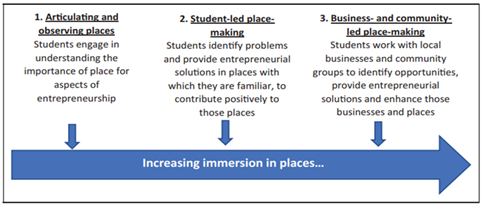
Figure 1. Thematic Patterns of Place-Based Entrepreneurship Education5
Kyais in Indonesia play a crucial role in urban entrepreneurship education as religious and community leaders who develop an entrepreneurial mindset aligned with the local context.6 This aligns with a place-based approach that grounds education in community resources, thereby enhancing relevance and effectiveness.7 Social entrepreneurship education places greater emphasis on collaboration with social actors such as kyais, who bridge traditional Islamic values and modern entrepreneurial skills, integrating moral, social, and spiritual dimensions into learning.8 Key elements such as stakeholder engagement, curriculum, culture, and infrastructure are activated within a kiai-led ecosystem, supporting the development of culturally rooted skills and frameworks.9 Together, these studies describe a synergistic model in which kyais strategically mediate between tradition and modernity, fostering culturally attuned, socially integrated, and innovation-driven entrepreneurship education in urban Indonesian communities.
While the integration of entrepreneurship education into community support infrastructure is widely recognized as crucial for economic development,10 recent advances highlight the evolving role of technology in this process. For example, the integration of digital tools into entrepreneurship education has been shown to increase entrepreneurial intentions, particularly among Generation Z students.11 This technological focus complements traditional elements of entrepreneurship education, which emphasize learning and inspiration as key drivers for nurturing an entrepreneurial mindset. In this dynamic context, kyais—respected religious and community leaders—emerge as vital intermediaries, bridging traditional Islamic values with modern entrepreneurial demands.12 Their strategic role extends beyond skills transmission to embedding local culture and ethics into the entrepreneurship curriculum, thereby strengthening students' technical competencies as well as their cultural and social identities.13 This interplay between technology-driven innovation and culturally grounded mentorship underscores the importance of a holistic entrepreneurship education framework that integrates digital advancements with deeply rooted social and moral guidance.
This study aims to explore the integration of place-based approaches in entrepreneurship education in urban communities, as well as the role of kyais in the process. By emphasizing local values, this study is expected to provide insights into effective strategies for developing sustainable entrepreneurship programs that are rooted in local culture.
2. Literature Review
Scholars have examined the concepts of values and value education from various perspectives, and agree that values are moral principles actualized through behavior, forming the foundation of good character through concrete actions.14 This underscores the crucial role of values education in families, schools, and communities, reinforced by cultural wisdom—defined as a philosophy of life rooted in clear, positive, and pure thinking—that shapes and sustains these values.15 Complementing this moral and cultural foundation, place pedagogy (or place-based education) offers an educational philosophy that prioritizes the local environment as the primary learning resource.16 Unlike conventional, text-based education, place-based learning actively engages students and educators in addressing real-world local issues, drawing on local history, environment, culture, economy, arts, and literature. This interdisciplinary, often hands-on or project-based approach embeds education in a community context, fostering deeper relevance and engagement.17
In West Javan tradition, which is linked to Islam, good characteristics include intelligence, wisdom, extensive experience, and upholding truth.18 In the mind category, good characteristics include honesty, sincerity, religious attitude, courage, moderation, kindness, wisdom, humility, shyness, obedience to parents, self-esteem, loyalty, and trust.19 In the soul category, good characteristics include idealism, patience, belief in fate, steadfastness, enthusiasm for learning, willingness to try, diligence, courage, nobility, resistance to temptation, and persistence in prayer.20 Meanwhile, behavioral categories include simplicity, maturity, calculation, helpfulness, politeness, alertness, thoroughness, self-awareness, friendliness, integrity, thrift, and skill.21
In Islam, the concept of entrepreneurship is highly emphasized as an integral part of a Muslim's life. Entrepreneurship is not only considered an obligation but also a form of worship that can bring rewards, both in this world and in the hereafter. Entrepreneurship is the first step that must be taken. A Muslim is taught to be an entrepreneur seriously in all things that are positive and halal. This is emphasized in the hadith, which states that, “no effort denies the results.”22 Islam also encourages its people to work hard and be independent. This concept is reflected in the teaching that, “the best deed is work done with one's sweat.”23 Working hard is considered a way to get closer to Allah and fulfill life's needs in a halal way.24 Business in Islam aims to fulfill life's needs, prosper the earth, and carry out Allah's commands. In the Qur’ān, Allah commands His people to seek sustenance in a good and halal way.25 The core entrepreneurial values in Islam include worship, reward, patience, and mutual assistance. Deeds performed sincerely to earn Allah's pleasure, including daily work, are considered acts of worship. Muslim entrepreneurs receive rewards regardless of their success; success brings worldly and spiritual benefits, while failure is rewarded with patience and faith in the afterlife.26 Thus, the concept of entrepreneurship in Islam is not only about earning a living but also reflects spiritual and moral values. By doing business seriously, a Muslim not only fulfills personal needs but also contributes to the welfare of society and gains Allah's pleasure.27
3. Methods
This study employs a descriptive-qualitative approach, combining literature review, ethnography, empirical studies, and case studies to analyze the role of kyais in entrepreneurship education within urban environments. Purposive sampling involved kyais, students (santri), and stakeholders in Bandung, Purwakarta, and Sumedang, West Java, Indonesia. Data were collected through participant observation, in-depth interviews, surveys, and focus group discussions (FGDs), and analyzed qualitatively using thematic, comparative, triangulation, and contextual techniques supported by analytical technology. This research was conducted in three Islamic boarding schools (pesantren), interviewing various stakeholders, including kyai (Islamic clerics), administrators, ustaz (Islamic teachers), students, and congregation members. In ABS (Bandung), two administrators and five students participated in focus group discussions (FGDs); in Darussalam (Sumedang), one kyai, two administrators, two students, and two parents were interviewed; in Al-Muhajirin (Purwakarta), one government leader, five kyai and administrators, and five members of a business group were involved. A total of 25 data sources were collected. With a comprehensive methodological approach, this study provides an in-depth understanding and valid findings regarding the contribution of kyais in developing entrepreneurship education in urban communities.28 The identification of three Islamic boarding schools—ABS representing Muhammadiyah, Darussalam representing Persatuan Islam,29 and Al-Muhajirin representing Nahdlatul Ulama—as major Islamic organizations in Indonesia is significant, both historically and sociologically. Each of these organizations has distinct theological, social, and educational philosophies that have profoundly influenced Islam and Indonesian society.
4. Portrait of the Research Location
4.1 Aisyiyah Boarding School at BandungBandung is a big city with complex and modern urban dynamics. A boarding school in the urban area combines religious education with entrepreneurship, so that students can adapt to the times without losing religious values. This special boarding school for girls was established as a continuation of the vision to develop entrepreneurship education for female students, with the establishment process lasting for decades until it officially started operating in 2013.30 This girls' Islamic boarding school in Bandung offers six years of education, covering junior high and senior high school. It received official permission in 2018 and now operates two campuses: a junior high school campus in the city center and a larger senior high school campus acquired through an endowment fund. The school combines religious and entrepreneurial education to prepare students for modern life while preserving cultural and religious values.31
Apart from that, this school is managed by the West Java Aisyiyah Regional Leadership with the aim of realizing Aisyiyah's vision and becoming a superior and future-looking educational institution. 'Aisyiyah Boarding School (ABS) Bandung offers 6 years of secondary education for middle and high school levels.32 This school applies a contextual and innovative learning model that is oriented towards action to shape the character of superior female students. This approach adapts 21st-century education with the aim of producing students who act as preachers and reformers (mujaddid) of perfect human beings (insan kamil) in society. In addition to religious education, the school also focuses on developing an entrepreneurial spirit and leadership so that students are ready to face future challenges.33
4.2 Darussalam Private Islamic High School in SumedangSumedang Regency offers a peaceful atmosphere with a community that strongly upholds local customs and culture. There is a private Islamic high school there that carries a holistic approach, combining religious, general education, and entrepreneurial skills. Located in a beautiful environment with good access to the city center, this school utilizes community support to teach entrepreneurial values in a traditional context. This school has been accredited A and is an example of education that integrates tradition and modernity to form a young generation that is ready to face the challenges of the future.34
The vision of Darussalam is to produce graduates who are faithful, intellectually superior, highly competitive, and care about the community. To realize this vision, the school focuses on ensuring the quality of education, developing character-based leadership, and forming strong and noble individuals through a boarding school atmosphere. In addition, the school also develops the talents and interests of students so that they are able to adapt to the environment and achieve success to continue their studies at university.35 Darussalam emphasizes a strong foundation of faith as the basis for the personal development of its graduates. Graduates are expected to have superior insight, be able to continue their studies to a higher level, or teach at religious educational institutions. They are also equipped with the ability to compete competitively as well as social and organizational skills to apply the knowledge they have acquired. This school is committed to producing a superior, competitive, and caring generation for the community.36
4.3 Al-Muhajirin Islamic Boarding School at PurwakartaPurwakarta, with its unique geography and culture, offers another perspective in this research. Al-Muhajirin is located in an area that integrates urban and rural life, providing students with diverse experiences. This school emphasizes the importance of entrepreneurship education in preparing students to face future economic challenges. The interactions between students and the surrounding community reflect how the school plays a central role in the community, as well as being centers of learning and economic empowerment. Al-Muhajirin, founded in 1993, is an Islamic educational institution that has successfully combined a yellow book-based curriculum with national education standards. At this school, all students live in dormitories and take part in various religious programs such as congregational prayers, Duha prayers, Tahajud prayers, sunnah fasting, yellow book study, and tahsin or tahfizh of the Qur’ān. Apart from that, their daily routine also includes the habit of reading Al-Barzanji as part of their religious activities.37
Al-Muhajirin has the motto "Dynamic Thinking, Salaf Morals, and Sunnah Wal Jamaah Belief," which reflects their vision to build a pious, intelligent, skilled, and independent society. Their main mission is to produce pious people (ummat al-salihin), righteous leaders (imam al-muttaqin), and practical Islamic scholars (ulama al-amilin). This school was established through cooperation with a local foundation and began with the purchase of land and the construction of educational facilities. Since the beginning, Al-Muhajirin has been committed to providing quality education and forming a superior generation of Muslims (Interview with Abun Bunyamin, 28/05/2024).
Al-Muhajirin in Purwakarta was established in the early 1990s with a small number of students, some of whom came from underprivileged families and received assistance from donors. This school has grown rapidly from its humble beginnings to now accommodate thousands of students from various levels of education. The process of establishing and developing the school involved local community leaders and foundations, with strong support from the surrounding community. This school emphasizes integrated religious education with the development of entrepreneurial and leadership skills, and provides a dormitory environment for teachers and students. Over time, Al-Muhajirin has become a widely known center for Islamic education and plays an important role in forming an independent and competitive young generation.38
Al-Muhajirin in Purwakarta, West Java, has long played an important role in Indonesian education. As an Islamic educational institution that combines religious traditions with a modern approach, this school contributes to shaping the character of the younger generation and providing a deep understanding of Islam. With its waqf land and buildings, Al-Muhajirin demonstrates a strong commitment to preserving Islamic values in formal education.39
Each research location, with its unique characteristics and dynamics, offers a rich perspective on the role of Kyai in entrepreneurship education. The diverse methodological approaches across these three sites allow us to gain a comprehensive and in-depth understanding. Until then, the results are valid and relevant findings that can be used to develop entrepreneurship education in urban environments.
5. The Role of Kyai in a Place-Based Approach to Entrepreneurship Education
In developing the concept of learning space in the context of entrepreneurship education, it is important to understand the difference between place and space. Place refers to a physical location that has boundaries such as walls, ceilings, and floors. Meanwhile, space is the result of movement, direction and atmosphere created in that place.40 This concept emphasizes that learning does not only occur in a particular place, but also involves pedagogical approaches and learning activities that occur there. In entrepreneurship education, the learning environment is not fixed, but changes over time according to the type of activities carried out by students, and learning is not limited to physical locations such as schools.41 Entrepreneurship education must have distinctive characteristics, such as achievement-oriented goals, learning through experience (experiential learning), a holistic, in-depth mindset, attitudes, skills, and knowledge, and include learning about business creation, operations, and growth.42 Apart from that, learning materials and resources are developed together with the community by utilizing the local potential around them. To accommodate the scope of teaching materials and local potential, the training material also includes bread processing skills and marketing strategies. By considering the local ecosystem and culture, entrepreneurship education materials are prepared to optimize the potential and needs of the community (Interview with Uci Tarmana, 28/05/2024). As stated by an advisor, “Economically, Islamic boarding schools, which are usually places where children and many people gather, are a potential market. Currently, what 'Aisyiyah and Muhammadiyah are developing is an economy that strengthens each other between us, for our common interests” (Interview with Eni Nur'aeni, 28/05/2024).
This approach highlights the importance of learning through creating value for others, and it links pedagogy to specific learning environments. The role of kyais in Aisyiyah Bandung's place-based approach to entrepreneurship education could be key to integrating Islamic values, ethics and local experiences into the curriculum and teaching practices. Here, kyai has become a mentor and guide for students who are interested in entering the world of entrepreneurship. They provide guidance on how to apply Islamic principles in business and entrepreneurship and share their experiences in building successful businesses with attention to environmental sustainability and social justice. As did Kyai Dede Kurniawan, the Headmaster, in designing entrepreneurship learning plans for students and the community, this is done by formulating a locally based curriculum, determining business goals and targets, collaborating with Bandung Regency government stakeholders, determining facilitators as teachers, then running the program and monitoring it so that it runs in accordance with design (Interview with Uci Tarmana, 28/05/2024).
From the Aisyiyah school, several functions of the kyai were found, namely: main mover and moral coach. As the main mover, kyai moves the starting and developing entrepreneurship education initiatives in their area.43 With the spiritual and moral support they provide, kyai is able to motivate the community and students to be actively involved in entrepreneurship education programs. Here, moral values are realized in concrete actions, forming good character through real initiative.44 Kyai also provides advice and direction to students and the community about the importance of entrepreneurship as a way to improve economic prosperity (Interview with Deputy Regent of Sumedang, 04/06/2024).
As a moral coach, kyai has an important role in shaping the morals and ethics of business actors. It provides valuable guidance and advice on Islamic values relevant to the entrepreneurial context, such as honesty, integrity and social responsibility.45 Here, education emphasizes the relationship between values and human emotions, thoughts, and behavior.46 “Kyai is not only a religious leader but also a figure respected and used as a role model by many people. Kyai provides advice, guidance, and a moral example that is very meaningful for all of us” (Interview with Aminah, student, 04/06/2024).
From the Darussalam school of Sumedang, there are some functions of the kyai as the spiritual guide, social networks, and community empower activist. Apart from guiding in matters of worldly life, a kyai can also guide business people in spiritual and mental aspects, provide moral support and prayers for business success, and help overcome the challenges and obstacles faced (Interview with Abdurahman, community leader, 04/06/2024). This means that this action states that values are absorbed from the community.47 Therefore, values must be maintained and cared for properly so that they can be transmitted to others. Kyai has an extensive social network in society, including other figures, local government and community institutions. Utilize this network to facilitate collaboration between local business actors, expand markets, and obtain needed resources. In line with Cavus' theory, which asserts that values influence a person's quality as a good citizen.48 Therefore, values must be maintained and cared for well, so that they can be passed on to generations. As one kyai said: “One example I can give is when we provided input on entrepreneurship education policies in this district. Through social networks, you can convey aspirations and needs to government stakeholders for the development of cooperatives and MSMEs. Alhamdulillah, it helps in forming policies that are more inclusive and responsive to the needs of entrepreneurship education in Sumedang (Interview with Falah, 04/06/2024).”
Through lectures, sermons, and teaching at Islamic boarding schools, Kyais become agents of change in increasing public awareness about the importance of entrepreneurship as a means of overcoming economic problems.49 Providing encouragement and support to young entrepreneurs to pursue their dreams. In Print's view, he sees the importance of values in the process of education and community development.50 Values become the spirit of society that guides their every action in entrepreneurship (Interview with Aisyah, member of the independent cooperative, 04/06/2024). In this context, it is important to strengthen community relations with the local environment as a step towards sustainability.51 Solutions to ecological and social problems often lie in respecting the cultural, historical, and spiritual resources of each local community and region, and empowering them to safeguard and use them sustainably.52
The role of Kyai in the development of entrepreneurial education in Purwakarta is a vital aspect. Kyais are often not only the main figures, but also the owners and founders of the school. Therefore, the progress and growth of schools are heavily dependent on the direct abilities and commitment of the Kyai. Kyais not only act as teachers or heads of Islamic boarding schools, but also have the position of owners, giving strong authority to the school.53 One example is Bunyamin, who is currently the caretaker of the Al-Muhajirin in Purwakarta, as a mandate from his family to continue his family's struggle. He is known as a Kyai who has high charisma, with wisdom and fluency in reading the Qur’ān. which is its attraction (Interview with Abun Bunyamin, 07/05/2024). In addition, Kyai's role in the place-based approach to entrepreneurship education in Purwakarta includes several important aspects.
First, as a respected figure who has great influence in society, Kyai Bunyamin in Purwakarta is a spiritual and moral coach for aspiring entrepreneurs, able to provide direction and strong motivation to motivate people to dare to try and develop their entrepreneurial talents. Second, Kyai Bunyamin often acts as a mediator between prospective entrepreneurs and various related parties, such as local government, financial institutions and the local business community. With his connections and network, Kyai Bunyamin can help facilitate access to the resources and support needed by young entrepreneurs to start and develop their businesses. Third, Kyai provided a deep understanding of Islamic values related to entrepreneurship, such as the concepts of trust, honesty and justice in business. Kyai was able to integrate the above values into an entrepreneurial education approach, so that prospective entrepreneurs not only gain business skills, but also understand the importance of acting in accordance with Islamic moral and ethical principles. Fourth, Kyai provides a real example of how entrepreneurship can be used as a means to contribute to the welfare of society. Promote and support businesses that have a positive social impact, such as environmentally friendly businesses, the development of local products, or economic empowerment programs for underprivileged communities.
Bunyamin has a vision to develop entrepreneurship education based on Islamic values in the school environment. The process of Bunyamin's journey in building an Islamic boarding school was an effort to realize his father's message to continue the struggle in spreading the message of Islamic preaching. Based on his ability to read business opportunities, Bunyamin opened a business called Taqoddum Printing, which became the embryo for the birth of the Al-Muhajirin, equipped with rooms as a place for orphaned children to recite the Qur’ān. numbering 17 people as first-generation students (Interview with Ifa Faizah Rohmah, 07/05/2024). As time passed, the Islamic boarding school (pesantren) business unit grew, and in 2019, it became one of the 10 best programs. One Pesantren One Product (OPOP) West Java, and 2020-2023 will host the program, as well as become a model for the best pesantren economy in West Java.
The place-based entrepreneurship education model initiated by Kyai Bunyamin, together with the Al-Muhajirin, departs from the ability to read opportunities as stated above. Like the laundry business unit, which exists as an answer to the needs of people who don't have much time to wash clothes because they are too busy working outside. So, the laundry business is the solution offered by the Al-Muhajirin to this problem. As well as being a place to work for the community and a practice-based educational space for students, through extracurricular programs, or entrepreneurial practices as outlined in the school education curriculum. “This community economic program aims to empower students, and make it easier for them to meet their learning needs without having to leave the school, that's why our business units are all related to students' needs, such as printing, laundry, and animal husbandry. "We created each of these business units as a learning medium for students, as well as a place for the community around the Al-Muhajirin boarding school to earn a living (Interview with Heru Rojikin, 07/05/2024).”
The success of Bunyamin and the management of the Al-Muhajirin Foundation in building a business that is adapted to the geographical conditions of the community is a threat in itself, because he was able to create a business that suits the needs of the community, and is one of the needs of the community that will never be finished. A business that has been running for about three years is a santri (student) farm that accommodates every request for aqiqah and sacrifices (qurban) from Muslims, especially in the Purwakarta area.
As demographic data shows, the religious composition in the region is as follows: Islam dominates with 99.13%, followed by Catholicism, which accounts for 0.18%, Protestantism with 0.46%, Hinduism with 0.11%, and Buddhism with 0.12%. Thus, Islam plays a dominant role in the religious beliefs of local communities, while other religious minorities account for smaller percentages in the population.54 Because the majority of the population in Purwakarta Regency is Muslim, the location where the Al-Muhajirin is located, one of the potential businesses is sheep farming, which is one of the animals needed for sacrificing and aqiqah.
Table 1. Religious Composition and Business Opportunities around Al-Muhajirin, Purwakarta Regency
|
Aspect |
Description |
|---|---|
|
Religious Composition |
Islam: 99.13%, Catholic: 0.18%, Protestant: 0.46%, Hindu: 0.11%, Buddhist: 0.12% |
|
Religious Domination |
Islam dominates with a very high percentage (99.13%) in the region. |
|
Religious Minorities |
Catholics, Protestants, Hindus and Buddhists are minority religious groups with small percentages. |
|
Location of Al-Muhajirin |
Located in the Purwakarta Regency area with a majority Muslim population, which provides business opportunities. |
|
Potential Business Opportunities |
Sheep farming, which is needed for sacrifice and aqiqah, is a potential business in the area. |
Apart from that, qurban and aqiqah are part of Islamic teachings, which, of course, students have been taught about, so what's interesting is that with livestock, students are able to learn practical practices, learn about the implementation of knowledge that has been learned theoretically in the classroom, and then practice entrepreneurship. or business, and the direct practice of the process of caring for sacrificial animals. So, the place-based education carried out by Kyai Bunyamin and the Foundation's management has had a big impact on the students as well as the surrounding community. “I believe that entrepreneurship should be seen as part of worship in Islam. Therefore, I have tried to integrate Islamic values into the entrepreneurship education approach at this school. We teach the students not only about how to start and manage a business but also about how to do it based on Islamic moral and ethical principles, such as honesty, responsibility and justice.” (Interview with Anang Nasihin, manager, 07/05/ 2024).
Here are some concrete steps that Bunyamin has taken. First, mentoring and guidance. Kyai Bunyamin is actively involved in providing assistance and guidance to students and the public who have an interest in the world of entrepreneurship. He provides advice and direction on how to start and manage a business based on Islamic principles, such as honesty, responsibility, and sharing sustenance; even though he is busy, he is still able to share his time with the people.55 Second, entrepreneurship education based on Islamic values. Bunyamin integrates entrepreneurship education into the school curriculum by emphasizing relevant Islamic values.56 For example, in lessons about business management, Kyai Bunyamin conveys the concepts of trust and fairness in transactions, as well as the importance of providing benefits to society. Third, collaboration with external parties, Bunyamin and the Foundation's management collaborate with local governments, financial institutions and the local business community to provide training and support programs for prospective entrepreneurs in the school environment. He uses his connections and influence to facilitate access to venture capital, skills training, and other technical assistance. As stated by an administrator: “One form of collaboration that we carry out is by getting support from local governments in providing facilities and resources for our entrepreneurship education programs. For example, the government has trusted Al-Muhajirin to host the West Java OPOP program, as well as help provide training places, learning facilities, and technical assistance from business experts related to our program.” (Interview with Deden Saepudin, administrator, 07/05/ 2024).
Fourth, social business development. Kyai Bunyamin promotes social businesses for communities outside of school, such as Muhajirin Mart, which employs around 20 residents and involves 138 permanent employees across various units. The program engages local suppliers and addresses social needs by offering training in digital marketing, graphic design, and farming skills. With expert guidance, participants receive support in business planning, finance, and marketing. Through these efforts, Al-Muhajirin fosters entrepreneurship based on Islamic values, creates opportunities for entrepreneurs, and inspires responsible, positive impact on the community in Purwakarta (Interview with Anang Nasihin, manager, 07/05/2024).
Kyai Bunyamin's leadership style applied in society is a democratic style and prioritizes deliberation in making policies or decisions. Kyai Bunyamin also has the authority or charisma typical of traditionalist Kyai, which makes students, administrators, teachers, and the community respect his firm, responsible, fair, and wise attitude.57 On the other hand, Bunyamin also uses an authoritarian leadership style in several situations, especially in giving punishment to students who violate school regulations, such as not carrying out congregational prayers or not fulfilling the obligation to memorize the Qur’ān.
Kyai Bunyamin plays a key role in locally-based entrepreneurship education in Purwakarta as a respected spiritual and moral mentor, motivating aspiring entrepreneurs to develop their talents. He also serves as a liaison, leveraging his extensive network to connect entrepreneurs with local government, financial institutions, and business players, and facilitating access to essential resources and support. Kyai Bunyamin deeply instilled Islamic values such as trust, honesty, and justice in entrepreneurship, integrating them into education so that aspiring entrepreneurs acquire business skills and an understanding of ethics that align with Islamic principles.58 Bunyamin also provided a real example of how entrepreneurship can be used as a means to contribute to the welfare of society. He promotes and supports businesses that have a positive social impact, such as environmentally friendly businesses, the development of local products, or economic empowerment programs for underprivileged communities.
Bunyamin has taken concrete steps to foster Islamic-based entrepreneurship in Purwakarta. He provides guidance to students and the general public on how to start and manage businesses based on Islamic principles, integrates this education into the school curriculum, emphasizing trust, justice, and social benefits, and collaborates with local governments, financial institutions, and businesses to provide training and support. He also promotes community social enterprises such as Muhajirin Mart, which produces local goods and creates jobs. Under his leadership, Al-Muhajirin has successfully created an environment that fosters responsible and valuable entrepreneurship with positive social and environmental impacts.
This study has several limitations. It focuses exclusively on urban communities in three regions of West Java—Bandung, Purwakarta, and Sumedang—limiting the generalizability of its findings to other regions or rural contexts. The research employs qualitative methods, including participant observation, interviews, surveys, and focus groups, which may carry inherent subjectivity from both participants and researchers. Its specific emphasis on Kyais and Islamic values may also restrict its relevance to non-Islamic or more secular educational settings. Furthermore, the descriptive-qualitative approach does not allow for quantifiable measurement of the impact or outcomes of place-based strategies and the roles of Kyais in entrepreneurship education.
6. Conclusion
A place-based approach to entrepreneurship education in Islamic boarding schools (pesantren) in West Java successfully aligns education with the urban social and cultural context. Kyais (Islamic scholars) play a central role as spiritual leaders, mentors, and facilitators, integrating Islamic values with entrepreneurial practices. By bridging theory and practice and collaborating with professionals, these Islamic boarding schools tailor skills training and marketing strategies to local needs, resulting in relevant, effective, and sustainable entrepreneurship education that empowers local economies and communities. Therefore, institutions aiming to develop effective entrepreneurship education must adopt programs that are context-sensitive, led by culturally respected community leaders such as Kyais, and supported by local partnerships to create sustainable economic and social benefits.
Future research should explore similar themes across cultural, religious, and geographic contexts to gain comparative insights into how local values shape entrepreneurship education. Mixed methods or quantitative designs could assess the impact on student learning outcomes, while longitudinal studies could evaluate the sustainability and economic impact of Kyai-influenced models. Examining the roles of other community leaders alongside Kyais will broaden our understanding of culturally grounded education, and identifying challenges in scaling up place-based programs can inform their expansion. These directions broaden and deepen the integration of culture, religion, and education in entrepreneurship development.
Author’s Contribution
Mulyana Mulyana: Conceptualization, Funding acquisition, Supervision, Validation, Visualization, Writing – review & editing. Ajid Thohir: Conceptualization, Data curation, Formal analysis, Investigation, Methodology, Writing – original draft. Dody S. Truna: Conceptualization, Data curation, Formal analysis, Resources, Validation, Writing – review & editing. Supiana Supiana: Data curation, Investigation, Project administration, Resources, Visualization, Writing – original draft.
Conflict of interest
The authors declare that they have no financial or personal relationship(s) that may have inappropriately influenced them in writing this article.
Data Availability Statement
The corresponding author, upon request, will provide the data associated with this study.
Funding statement
This research received no specific grant from any funding agency in the public, commercial or not-for-profit sectors.
Generative AI Disclosure Statement
The authors did not used any type of generative AI software for this research.
Bibliography
Ali, Abbas J., and Abdullah Al‐Owaihan. “Islamic Work Ethic: A Critical Review.” Cross Cultural Management: An International Journal, 2008.
Anggadwita, Grisna., Leo-Paul Dana, Veland Ramadani, and Reza Yanuar Ramadan. “Empowering Islamic Boarding Schools by Applying the Humane Entrepreneurship Approach: The Case of Indonesia.” International Journal of Entrepreneurial Behavior & Research 27, no. 6 (2021): 1580–1604, https://doi.org/10.1108/IJEBR-11-2020-0797.
Aziz, Kamarulzaman Ab., Atikah Mohd Zulkifle, and M H D Louai Sarhan. “Social Entrepreneurship for Sustainable Community Development: Investigating the Determinants for Youths’ Readiness.” Journal of System and Management Sciences 13, no. 1 (2023): 444–66, http://dx.doi.org/10.33168/JSMS.2023.0124.
Baharun, Hasan. “Total Moral Quality: A New Approach for Character Education in Pesantren.” Ulumuna 21, no. 1 (2017): 57–80, https://doi.org/10.20414/ujis.v21i1.1167.
Brondízio, Eduardo S., Yildiz Aumeeruddy-Thomas, Peter Bates, Joji Carino, Álvaro Fernández-Llamazares, Maurizio Farhan Ferrari, Kathleen Galvin, Victoria Reyes-García, Pamela McElwee, and Zsolt Molnár. “Locally Based, Regionally Manifested, and Globally Relevant: Indigenous and Local Knowledge, Values, and Practices for Nature.” Annual Review of Environment and Resources 46, no. 1 (2021): 481–509.
Bulgakov, Sergei. “Heroism and Asceticism: Reflections on the Religious Nature of the Russian Intelligentsia.” In Landmarks: A Collection of Essays on the Russian Intelligentsia 1909, edited by Boris Shragin, 23–63. London and New York: Routledge, 2023.
Burchardt, Marian., and Mariske Westendorp. “The Im-Materiality of Urban Religion: Towards an Ethnography of Urban Religious Aspirations.” Culture and Religion 19, no. 2 (2018): 160–176.
Çavuş, Gülin. Local Governments and Civic Engagement in Network Society: The Cases of Kadıköy and Üsküdar Municipalities. Ankara: Middle East Technical University, 2019.
Corbett, Michael. “Place-Based Education: A Critical Appraisal from a Rural Perspective.” In Rural Teacher Education: Connecting Land and People, edited by Michael Corbett and Dianne Gereluk, 279–298. Singapore: Springer, 2020.
Coştu, Fatma. “Do Reading Texts in Science Textbooks Contribute to Values Education?” Van Yüzüncü Yıl Üniversitesi Eğitim Fakültesi Dergisi 21, no. 1 (2024): 256–80. https://doi.org/10.33711/yyuefd.1354045.
Cugueró-Escofet, Natàlia., and Josep M Rosanas. “The Relative Role of the Intellectual and Moral Virtues in Sustainable Management Decisions: The Case of Practical Wisdom and Justice.” Sustainability 12, no. 3 (2020): 1156. https://doi.org/10.3390/su12031156.
Demssie, Yared Nigussie., Harm J A Biemans, Renate Wesselink, and Martin Mulder. “Combining Indigenous Knowledge and Modern Education to Foster Sustainability Competencies: Towards a Set of Learning Design Principles.” Sustainability 12, no. 17 (2020): 6823. https://doi.org/10.3390/su12176823.
Egbefo, Dawood Omolumen., and Mayowa Olajide Abe. “Entrepreneurship Education: A Vital Instrument for Youth Empowerment, Industrial Development and Consolidation of National Integration in Nigeria.” African Research Review 11, no. 1 (2017): 28–48. https://doi.org/10.4314/afrrev.v11i1.3.
Fayolle, Alain., Wadid Lamine, Sarfraz Mian, and Phillip Phan. “Effective Models of Science, Technology and Engineering Entrepreneurship Education: Current and Future Research.” The Journal of Technology Transfer 46 (2021): 277–287. https://doi.org/10.1007/s10961-020-09789-3.
Galvão, Anderson Rei., Carla S E Marques, João J Ferreira, and Vitor Braga. “Stakeholders’ Role in Entrepreneurship Education and Training Programmes with Impacts on Regional Development.” Journal of Rural Studies 74 (2020): 169–79. https://doi.org/10.1016/j.jrurstud.2020.01.013.
Gazi, Md Abu Issa. “Islamic Perspective of Leadership in Management; Foundation, Traits and Principles.” International Journal of Management and Accounting 2, no. 1 (2020): 1–9.
Gümüsay, Ali Aslan. “Entrepreneurship from an Islamic Perspective.” Journal of Business Ethics 130 (2015): 199–208.
Hernawati, W., and Retno Wiratih. “The Cultural Wisdom As Foundation For Character Development Approach.” Jurnal Pendidikan Karakter 1, no. 1 (2011): 35–46, https://doi.org/10.1037/gpr0000045.
Jamilah, Sitti. “Moderate Islamic Education to Enhance Nationalism among Indonesian Islamic Student Organizations in the Era of Society 5.0.” Journal of Social Studies Education Research 12, no. 3 (2021): 79–100.
Javaid, Omar. “The Principles of a Circular Economy in the Light of Islamic Values and Beliefs.” Journal of Islamic Thought and Civilization 12, no. 1 (2022): 166–183.
Kellner, Douglas. “New Technologies/New Literacies: Reconstructing Education for the New Millennium.” Teaching Education 11, no. 3 (2000): 245–65. https://doi.org/10.1080/713698975.
Khattab, Muhammad Ali Muhammad. “Manifestation of Islam Moderation.” Journal of Ecohumanism 3, no. 8 (2024): 1453–1467.
Komara, Endang., and Mohamad Ibrahim Adiraharja. “Integrasi Nilai-Nilai Kearifan Lokal Dalam Pembelajaran Kewirausahaan Di SMK Negeri 10 Kota Bandung [Integration of Local Wisdom Values in Entrepreneurship Learning at State Vocational School 10, Bandung City].” Mimbar Pendidikan 5, no. 2 (2020): 117–30.
Konglim, Veronica Shuka. Educator Perceptions on the Use of Gardens as a Teaching Tool and Space for Nurturing School and Community Collaboration. Ypsilanti, Michigan: Eastern Michigan University, 2022.
Kurniawanti, Meri Robbi, and Dyah Kumalasari. “The Study of KH Ahmad Dahlan’s Entrepreneurship Values and Its Urgency in Character Strengthening.” In 2nd International Conference on Social Science and Character Educations (ICoSSCE 2019), 110–15. Atlantis Press, 2020.
Kusuma, Machroni., and Mohammad Taufiq Rahman. “The Role of Social Institutions on Online Business Development in Cimahi, West Java, Indonesia.” Jurnal Socio-Politica 8, no. 2 (2018): 165–173.
Lackéus, Martin. “Comparing the Impact of Three Different Experiential Approaches to Entrepreneurship in Education.” International Journal of Entrepreneurial Behavior & Research 26, no. 5 (2020): 937–971.
Larty, Joanne. “Towards a Framework for Integrating Place-Based Approaches in Entrepreneurship Education.” Industry and Higher Education 35, no. 4 (2021): 312–24. https://doi.org/10.1177/09504222211021531.
Lesinskis, Kristaps., Inese Mavlutova, Aivars Spilbergs, and Janis Hermanis. “Digital Transformation in Entrepreneurship Education: The Use of a Digital Tool KABADA and Entrepreneurial Intention of Generation Z.” Sustainability (Switzerland) 15, no. 13 (2023): 10135, https://doi.org/10.3390/su151310135.
Liu, Haibin., Sadan Kulturel-Konak, and Abdullah Konak. “Key Elements and Their Roles in Entrepreneurship Education Ecosystem: Comparative Review and Suggestions for Sustainability.” Sustainability 13, no. 19 (2021): 10648. https://doi.org/10.3390/su131910648.
Machmud, Amir., and Yusuf Murtadlo Hidayat. “Characteristics of Islamic Entrepreneurship and the Business Success of SMEs in Indonesia.” Journal of Entrepreneurship Education 23, no. 2 (2020): 1–16.
Mahardhani, Ardhana Januar., Nawiruddin Nawiruddin, Jalaluddin Jalaluddin, and Julhadi Julhadi. “The Kyai’s Position in Rural Local Democracy Based on Patronage Politics at Tapal Kuda.” Muslim Heritage 8, no. 1 (2023): 115–132, https://doi.org/10.21154/muslimheritage.v8i1.6004.
Mehdiyev, Gülsüm., and K Tozduman Yaralı. “The Effectiveness of Training of Philosophy with Children on Children’s Attitudes toward Human Values.” Bayburt Eğitim Fakültesi Dergisi 15, no. 29 (2020): 251–279, https://doi.org/10.35675/befdergi.683349.
Mohammadi, Parisa, Suzilawati Kamarudin, and Rosmini Omar. “Do Islamic Values Impact Social Entrepreneurial Intention of University Students in Malaysia? An Empirical Investigation Into The Mediating Role of Empathy.” International Journal of Economics & Management 14, no. 3 (2020): 1–7
Mubarak, Mohd Zain., Asyraf Abd Rahman, and Mohd Rafi Yaacob. “Spirituality in Islamic Entrepreneurship: Motivation and Achievements of Successful Entrepreneurs in Kelantan.” Journal of Techno-Social 6, no. 2 (2014): 27–36
Puspita, Nesa Wara. “Sundanese Imagery and Education Values in Sundanese Phrases and Proverbs.” In Fifth International Conference on Language, Literature, Culture, and Education (ICOLLITE 2021), 481–87. Atlantis Press, 2021.
Qodim, Husnul., Fajar Rohandy, and Eri Kurniawan. “Arabic Lexicon in Sundanese Language: An Ethnolinguistic Study on the Pilgrimage Ceremony of the Indigenous People in Dukuh Village.” Indonesian Journal of Applied Linguistics 12, no. 2 (2022): 361–73. https://doi.org/10.17509/ijal.v12i2.45195.
Rahman, Mohammad Taufiq. Metodologi Penelitian Agama [Methodology of Religious Research]. Bandung: Prodi S2 Studi Agama-Agama UIN Sunan Gunung Djati Bandung, 2025.
Reed, Melissa. “Place-Based Education: People, Places, and Spaces for Interdisciplinary Literacy Learning.” The Reading Professor 43, no. 1 (2020): 9. https://scholar.stjohns.edu/thereadingprofessor/vol43/iss1/9.
Ridwan, Ahmad Hasan., Mohammad Taufiq Rahman, Yusuf Budiana, Irfan Safrudin, and Muhammad Andi Septiadi. “Implementing and Interpreting Fazlur Rahman’s Islamic Moderation Concept in the Indonesian Context.” Journal of Islamic Thought and Civilization 12, no. 2 (2022): 58–73, https://doi.org/10.32350/jitc.122.05.
Saebani, Beni Ahmad., and Mohammad Taufiq Rahman. “From Outsider to Engagement: The Transformation of a Puritanical Islamic Organization through Government-Led Religious Moderation Initiatives.” Journal of Islamic Thought and Civilization 15, no. 1 (2025): 277–295, https://doi.org/10.32350/jitc.151.16.
Schröer, Andreas. “Social Innovation in Education and Social Service Organizations. Challenges, Actors, and Approaches to Foster Social Innovation.” Frontiers in Education 5 (2021): 555624. https://doi.org/10.3389/feduc.2020.555624.
Senda, Bennani Khouloud. “Is Islam Associated with Business Success?” In Understanding the Relationship between Religion and Entrepreneurship, edited by Khaled Tamzini and Anis Ben Salem, 51–78. Hershey, PA: IGI Global Scientific Publishing, 2020.
Sentana, Gek Diah Desi., I Wayan Cika, I Nyoman Suarka, and I Nyoman Weda Kusuma. “Permas Oral Traditions Function in Mundeh Traditional Village.” International Journal of Linguistics, Literature and Culture 7, no. 1 (2021): 45–56, https://doi.org/10.21744/ijllc.v7n1.1144.
Shu, Yu., Shin-Jia Ho, and Tien-Chi Huang. “The Development of a Sustainability-Oriented Creativity, Innovation, and Entrepreneurship Education Framework: A Perspective Study.” Frontiers in Psychology 11 (2020): 1878, https://doi.org/10.3389/fpsyg.2020.01878.
Silverman, David. Interpreting Qualitative Data (5th Edition). Los Angeles, London, New Delhi, Singapore, Washington DC: Sage Publications, 2015.
Sobel, David. “School Outdoors: The Pursuit of Happiness as an Educational Goal.” Journal of Philosophy of Education 54, no. 4 (2020): 1064–70. https://doi.org/10.1111/1467-9752.12458.
Stewart, Frances. “Capabilities and Human Development: Beyond the Individual-the Critical Role of Social Institutions and Social Competencies.” UNDP-HDRO Occasional Papers, no. 2013/03 (2013).
Sudrajat, Tatang., Supiana Supiana, and Qiqi Yuliati Zakiah. “Higher Education, Nation Character, and Religious Moderation Program: A Public Policy Perspective.” Journal of Asian Social Science Research 3, no. 1 (2021): 73–92, https://doi.org/10.15575/jassr.v3i1.35.
Tony, Oluwasanya Adewale. “Entrepreneurship Education a Pertinent Enabler of Sustained Social Development and Economic Recovery.” International Journal of Research in IT, Management and Engineering 6, no. 02 (2016): 76–100. https://www.indusedu.org/pdfs/IJRIME/IJRIME_311_39323.pdf.
Urry, John., and Anton Novenanto. “Sosiologi Ruang Dan Tempat [Sociology of Space and Place].” Brawijaya Journal of Social Science 1, no. 1 (2017): 17–35. https://doi.org/10.21776/ub.sosiologi.jkrsb.2017.001.1.03.
Vu, Mai Chi., Allan Discua Cruz, and Nicholas Burton. “Contributing to the Sustainable Development Goals as Normative and Instrumental Acts: The Role of Buddhist Religious Logics in Family SMEs.” International Small Business Journal 42, no. 2 (2024): 246–75. https://doi.org/10.1177/02662426231182425.
Waal, Gerrit Anton de, and Alex Maritz. “A Disruptive Model for Delivering Higher Education Programs within the Context of Entrepreneurship Education.” Education+ Training 64, no. 1 (2022): 126–40, https://doi.org/10.1108/ET-03-2021-0102.
Wahyuni, Sri Intan., Mega Cahya Dwi Lestari Dwi Lestari, Diana Sartika Sartika, and Sulasmi Sulasmi. “Kepemimpinan Perempuan Dalam Pengembangan Lembaga Pendidikan Di Pondok Pesantren [Women’s Leadership in the Development of Educational Institutions in Islamic Boarding Schools].” SURAU: Journal of Islamic Education 1, no. 2 (2023): 161–70. https://doi.org/10.30983/surau.v1i2.7070.
Walsh, Roger. “What Is Wisdom? Cross-Cultural and Cross-Disciplinary Syntheses.” Review of General Psychology 19, no. 3 (2015): 278–93. https://doi.org/10.1037/gpr0000045.
Wild, Christina. Teaching Without Walls: A Portraiture Study of Nature-Based Educators in Duluth, Minnesota. Culver City, California: Antioch University, 2023. https://aura.antioch.edu/etds/969.
Wishy, Bernard. The Child and the Republic: The Dawn of Modern American Child Nurture. Philadelphia: University of Pennsylvania Press, 2017.
Yani, Muhammad Turhan., Choirul Mahfud, S. A.P. Rangga Sa’adillah, Mohammad Reevany Bustami, Maskuri, and Ahmad Taufiq. “Advancing the Discourse of Muslim Politics in Indonesia: A Study on Political Orientation of Kiai as Religious Elites in Nahdlatul Ulama.” Heliyon 8, no. 12 (2022): 12118, https://doi.org/10.1016/j.heliyon.2022.e12218.
Zaman, Sarfraz., Neelam Bano, and Muhammad Zia Aslam. “From Belief to Business: Cultivating the Impact of Intrinsic Religiosity on Entrepreneurial Intentions via Meaning in Life and Entrepreneurial Self-Efficacy.” Journal of Islamic Thought and Civilization 13, no. 2 (2023): 272–90, https://doi.org/10.32350/jitc.132.18.
Ziemianski, Pawel., and Jakub Golik. “Including the Dark Side of Entrepreneurship in the Entrepreneurship Education.” Education Sciences 10, no. 8 (2020): 211, https://doi.org/10.3390/educsci10080211.
1Oluwasanya Adewale Tony, “Entrepreneurship Education a Pertinent Enabler of Sustained Social Development and Economic Recovery,” International Journal of Research in IT, Management and Engineering 6, no. 2 (2016): 76–100, https://www.indusedu.org/pdfs/IJRIME/IJRIME_311_39323.pdf; Dawood Omolumen Egbefo, and Mayowa Olajide Abe, “Entrepreneurship Education: A Vital Instrument for Youth Empowerment, Industrial Development and Consolidation of National Integration in Nigeria,” African Research Review 11, no. 1 (2017): 28–48, https://doi.org/10.4314/afrrev.v11i1.3.
2Alain Fayolle et al., “Effective Models of Science, Technology and Engineering Entrepreneurship Education: Current and Future Research,” The Journal of Technology Transfer 46 (2021): 277–287, https://doi.org/10.1007/s10961-020-09789-3.
3Endang Komara, and Mohamad Ibrahim Adiraharja, “Integrasi Nilai-Nilai Kearifan Lokal Dalam Pembelajaran Kewirausahaan Di SMK Negeri 10 Kota Bandung [Integration of Local Wisdom Values in Entrepreneurship Learning at State Vocational School 10, Bandung City],” Mimbar Pendidikan 5, no. 2 (2020): 117–130.
4Joanne Larty, “Towards a Framework for Integrating Place-Based Approaches in Entrepreneurship Education,” Industry and Higher Education 35, no. 4 (2021): 312–24, https://doi.org/10.1177/09504222211021531.
5Larty, “Towards a Framework for Integrating Place-Based Approaches in Entrepreneurship Education,” 312–24.
6Ahmad Hasan Ridwan et al., “Implementing and Interpreting Fazlur Rahman’s Islamic Moderation Concept in the Indonesian Context,” Journal of Islamic Thought and Civilization 12, no. 2 (2022): 58–73, https://doi.org/10.32350/jitc.122.05; Grisna Anggadwita et al., “Empowering Islamic Boarding Schools by Applying the Humane Entrepreneurship Approach: The Case of Indonesia,” International Journal of Entrepreneurial Behavior and Research 27, no. 6 (2021): 1580–1604, https://doi.org/10.1108/IJEBR-11-2020-0797.
7Larty, “Towards a Framework for Integrating Place-Based Approaches in Entrepreneurship Education.”
8Andreas Schröer, “Social Innovation in Education and Social Service Organizations. Challenges, Actors, and Approaches to Foster Social Innovation,” in Frontiers in Education, 5 (2021): 555624, https://doi.org/10.3389/feduc.2020.555624; Kamarulzaman Ab Aziz, Atikah Mohd Zulkifle, and M H D Louai Sarhan, “Social Entrepreneurship for Sustainable Community Development: Investigating the Determinants for Youths’ Readiness,” Journal of System and Management Sciences 13, no. 1 (2023): 444–466, http://dx.doi.org/10.33168/JSMS.2023.0124.
9Haibin Liu, Sadan Kulturel-Konak, and Abdullah Konak, “Key Elements and Their Roles in Entrepreneurship Education Ecosystem: Comparative Review and Suggestions for Sustainability,” Sustainability 13, no. 19 (2021): 10648, https://doi.org/10.3390/su131910648.
10Anderson Rei Galvão et al., “Stakeholders’ Role in Entrepreneurship Education and Training Programmes with Impacts on Regional Development,” Journal of Rural Studies 74 (2020): 169–79, https://doi.org/10.1016/j.jrurstud.2020.01.013.
11Kristaps Lesinskis, Inese Mavlutova, Aivars Spilbergs, and Janis Hermanis. “Digital Transformation in Entrepreneurship Education: The Use of a Digital Tool KABADA and Entrepreneurial Intention of Generation Z,” Sustainability 15, no. 13 (2023): 10135, https://doi.org/10.3390/su151310135.
12Ardhana Januar Mahardhani et al., “The Kyai’s Position in Rural Local Democracy Based on Patronage Politics at Tapal Kuda,” Muslim Heritage 8, no. 1 (2023): 115–32, https://doi.org/10.21154/muslimheritage.v8i1.6004.
13Sitti Jamilah, “Moderate Islamic Education to Enhance Nationalism among Indonesian Islamic Student Organizations in the Era of Society 5.0,” Journal of Social Studies Education Research 12, no. 3 (2021): 79–100.
14Douglas Kellner, “New Technologies/New Literacies: Reconstructing Education for the New Millennium,” Teaching Education 11, no. 3 (2000): 245–265, https://doi.org/10.1080/713698975; Frances Stewart, “Capabilities and Human Development: Beyond the Individual-the Critical Role of Social Institutions and Social Competencies,” UNDP-HDRO Occasional Papers, no. 2013/03 (2013); Hasan Baharun, “Total Moral Quality: A New Approach for Character Education in Pesantren,” Ulumuna 21, no. 1 (2017): 57–80, https://doi.org/10.20414/ujis.v21i1.1167; Fatma Coştu, “Do Reading Texts in Science Textbooks Contribute to Values Education?,” Van Yüzüncü Yıl Üniversitesi Eğitim Fakültesi Dergisi 21, no. 1 (2024): 256–80, https://doi.org/10.33711/yyuefd.1354045; Gülsüm Mehdiyev and K Tozduman Yaralı, “The Effectiveness of Training of Philosophy with Children on Children’s Attitudes toward Human Values,” Bayburt Eğitim Fakültesi Dergisi 15, no. 29 (2020): 251–79, https://doi.org/10.35675/befdergi.683349.
15W Hernawati, and Retno Wiratih, “The Cultural Wisdom As Foundation For Character Development Approach,” Jurnal Pendidikan Karakter 1, no. 1 (2011): 35–46; Roger Walsh, “What Is Wisdom? Cross-Cultural and Cross-Disciplinary Syntheses,” Review of General Psychology 19, no. 3 (2015): 278–293, https://doi.org/10.1037/gpr0000045.
16David Sobel, “School Outdoors: The Pursuit of Happiness as an Educational Goal,” Journal of Philosophy of Education 54, no. 4 (2020): 1064–70, https://doi.org/10.1111/1467-9752.12458; Yared Nigussie Demssie et al., “Combining Indigenous Knowledge and Modern Education to Foster Sustainability Competencies: Towards a Set of Learning Design Principles,” Sustainability 12, no. 17 (2020): 6823, https://doi.org/10.3390/su12176823.
17Veronica Shuka Konglim, Educator Perceptions on the Use of Gardens as a Teaching Tool and Space for Nurturing School and Community Collaboration (Ypsilanti, Michigan: Eastern Michigan University, 2022); Christina Wild, Teaching Without Walls: A Portraiture Study of Nature-Based Educators in Duluth, Minnesota (Culver City, California: Antioch University, 2023), https://aura.antioch.edu/etds/969; Melissa Reed, “Place-Based Education: People, Places, and Spaces for Interdisciplinary Literacy Learning,” The Reading Professor 43, no. 1 (2020): 9, https://scholar.stjohns.edu/thereadingprofessor/vol43/iss1/9.
18Nesa Wara Puspita, “Sundanese Imagery and Education Values in Sundanese Phrases and Proverbs,” in Fifth International Conference on Language, Literature, Culture, and Education (ICOLLITE 2021) (Atlantis Press, 2021), 481–87; Gek Diah Desi Sentana et al., “Permas Oral Traditions Function in Mundeh Traditional Village,” International Journal of Linguistics, Literature and Culture 7, no. 1 (2021): 45–56, https://doi.org/10.21744/ijllc.v7n1.1144.
19Tatang Sudrajat, Supiana Supiana, and Qiqi Yuliati Zakiah, “Higher Education, Nation Character, and Religious Moderation Program: A Public Policy Perspective,” Journal of Asian Social Science Research 3, no. 1 (2021): 73–92, https://doi.org/10.15575/jassr.v3i1.35; Natàlia Cugueró-Escofet and Josep M Rosanas, “The Relative Role of the Intellectual and Moral Virtues in Sustainable Management Decisions: The Case of Practical Wisdom and Justice,” Sustainability 12, no. 3 (2020): 1156, https://doi.org/10.3390/su12031156.
20Sergei Bulgakov, “Heroism and Asceticism: Reflections on the Religious Nature of the Russian Intelligentsia,” in Landmarks: A Collection of Essays on the Russian Intelligentsia 1909, ed. Boris Shragin (London and New York: Routledge, 2023), 23–63.
21Bernard Wishy, The Child and the Republic: The Dawn of Modern American Child Nurture (Philadelphia: University of Pennsylvania Press, 2017); Husnul Qodim, Fajar Rohandy, and Eri Kurniawan, “Arabic Lexicon in Sundanese Language: An Ethnolinguistic Study on the Pilgrimage Ceremony of the Indigenous People in Dukuh Village,” Indonesian Journal of Applied Linguistics 12, no. 2 (2022): 361–73, https://doi.org/10.17509/ijal.v12i2.45195.
22Mohd Zain Mubarak, Asyraf Abd Rahman, and Mohd Rafi Yaacob, “Spirituality in Islamic Entrepreneurship: Motivation and Achievements of Successful Entrepreneurs in Kelantan,” Journal of Techno-Social 6, no. 2 (2014): 27–36
23Bennani Khouloud Senda, “Is Islam Associated with Business Success?,” in Understanding the Relationship between Religion and Entrepreneurship, ed. Khaled Tamzini and Anis Ben Salem (Hershey, PA: IGI Global Scientific Publishing, 2020), 51–78.
24Ali Aslan Gümüsay, “Entrepreneurship from an Islamic Perspective,” Journal of Business Ethics 130 (2015): 199–208.
25Muhammad Ali Muhammad Khattab, “Manifestation of Islam Moderation,” Journal of Ecohumanism 3, no. 8 (2024): 1453–1467.
26Sarfraz Zaman, Neelam Bano, and Muhammad Zia Aslam, “From Belief to Business: Cultivating the Impact of Intrinsic Religiosity on Entrepreneurial Intentions via Meaning in Life and Entrepreneurial Self-Efficacy,” Journal of Islamic Thought and Civilization 13, no. 2 (2023): 272–90, https://doi.org/10.32350/jitc.132.18.
27Omar Javaid, “The Principles of a Circular Economy in the Light of Islamic Values and Beliefs,” Journal of Islamic Thought and Civilization 12, no. 1 (2022): 166–83; Abbas J Ali and Abdullah Al‐Owaihan, “Islamic Work Ethic: A Critical Review,” Cross Cultural Management: An International Journal, 15, no. 1 (2008): 5–19. https://doi.org/10.1108/13527600810848791
28David Silverman, Interpreting Qualitative Data (5th Edition) (Los Angeles, London, New Delhi, Singapore, Washington DC: Sage Publications, 2015); Mohammad Taufiq Rahman, Metodologi Penelitian Agama [Methodology of Religious Research] (Bandung: Prodi S2 Studi Agama-Agama UIN Sunan Gunung Djati Bandung, 2025); Marian Burchardt and Mariske Westendorp, “The Im-Materiality of Urban Religion: Towards an Ethnography of Urban Religious Aspirations,” Culture and Religion 19, no. 2 (2018): 160–176; Machroni Kusuma and Mohammad Taufiq Rahman, “The Role of Social Institutions on Online Business Development in Cimahi, West Java, Indonesia,” Jurnal Socio-Politica 8, no. 2 (2018): 165–73.
29Beni Ahmad Saebani, and Mohammad Taufiq Rahman, “From Outsider to Engagement: The Transformation of a Puritanical Islamic Organization through Government-Led Religious Moderation Initiatives,” Journal of Islamic Thought and Civilization 15, no. 1 (2025): 277–95, https://doi.org/10.32350/jitc.151.16.
30Aisyiyah, “Profil Aisyiyah [Aisyiyah Profile],” https://absbandung.sch.id/wp/profil-aisyiyah/, 2022.
31Administrator, “‘Aisyiyah Boarding High School Bandung,” Sekolahkita, 2023.
32Ibid.
33class.id, “Pesantren Aisyiyah Boarding School (ABS) Bandung,” PPDB ABS Bandung, 2024.
34Admin, “Sejarah Singkat MAS Darussalam Sumedang [A Brief History of the Darussalam Sumedang Private Islamic High School],” MAS Darussalam, 2023.
35Ibid.
36Ibid.
37Al-Muhajirin, “Profil Al-Muhajirin [Profile of Al-Muhajirin],” https://almuhajirin.co.id/profil/, 2024.
38Al-Muhajirin, “SDS Plus 2 Al-Muhajirin Purwakarta [Private Elementary School Plus 2 Al-Muhajirin Purwakarta],” Sekolahku.Sdplus2almuhajirin (Purwakarta, 2022).
39Ibid.
40John Urry, and Anton Novenanto, “Sosiologi Ruang Dan Tempat [Sociology of Space and Place],” Brawijaya Journal of Social Science 1, no. 1 (2017): 17–35, https://doi.org/10.21776/ub.sosiologi.jkrsb.2017.001.1.03.
41Martin Lackéus, “Comparing the Impact of Three Different Experiential Approaches to Entrepreneurship in Education,” International Journal of Entrepreneurial Behavior and Research 26, no. 5 (2020): 937–971.
42Pawel Ziemianski, and Jakub Golik, “Including the Dark Side of Entrepreneurship in the Entrepreneurship Education,” Education Sciences 10, no. 8 (2020): 211, https://doi.org/10.3390/educsci10080211; Yu Shu, Shin-Jia Ho, and Tien-Chi Huang, “The Development of a Sustainability-Oriented Creativity, Innovation, and Entrepreneurship Education Framework: A Perspective Study,” Frontiers in Psychology 11 (2020): 1878, https://doi.org/10.3389/fpsyg.2020.01878.
43Gerrit Anton de Waal, and Alex Maritz, “A Disruptive Model for Delivering Higher Education Programs within the Context of Entrepreneurship Education,” Education+ Training 64, no. 1 (2022): 126–140, https://doi.org/10.1108/ET-03-2021-0102.
44Baharun, “Total Moral Quality: A New Approach for Character Education in Pesantren.”
45Mai Chi Vu, Allan Discua Cruz, and Nicholas Burton, “Contributing to the Sustainable Development Goals as Normative and Instrumental Acts: The Role of Buddhist Religious Logics in Family SMEs,” International Small Business Journal 42, no. 2 (2024): 246–75, https://doi.org/10.1177/02662426231182425.
46Mehdiyev, and Tozduman Yaralı, “The Effectiveness of Training of Philosophy with Children on Children’s Attitudes toward Human Values.”
47Coştu, “Do Reading Texts in Science Textbooks Contribute to Values Education?”
48Gülin Çavuş, Local Governments and Civic Engagement in Network Society: The Cases of Kadıköy and Üsküdar Municipalities (Ankara: Middle East Technical University, 2019).
49Meri Robbi Kurniawanti, and Dyah Kumalasari, “The Study of KH Ahmad Dahlan’s Entrepreneurship Values and Its Urgency in Character Strengthening,” in 2nd International Conference on Social Science and Character Educations (ICoSSCE 2019) (Atlantis Press, 2020), 110–15.
50Kellner, “New Technologies/New Literacies: Reconstructing Education for the New Millennium.”
51Michael Corbett, “Place-Based Education: A Critical Appraisal from a Rural Perspective,” in Rural Teacher Education: Connecting Land and People, ed. Michael Corbett and Dianne Gereluk (Singapore: Springer, 2020), 279–298.
52Eduardo S Brondízio et al., “Locally Based, Regionally Manifested, and Globally Relevant: Indigenous and Local Knowledge, Values, and Practices for Nature,” Annual Review of Environment and Resources 46, no. 1 (2021): 481–509. https://doi.org/10.1146/annurev-environ-012220-012127.
53Sri Intan Wahyuni et al., “Kepemimpinan Perempuan Dalam Pengembangan Lembaga Pendidikan Di Pondok Pesantren [Women’s Leadership in the Development of Educational Institutions in Islamic Boarding Schools],” SURAU: Journal of Islamic Education 1, no. 2 (2023): 161–70, https://doi.org/10.30983/surau.v1i2.7070.
54Tim Penyusun, “Jumlah Penduduk Menurut Kecamatan Dan Agama Yang Dianut (Jiwa), 2019 [Population by District and Religion (Souls), 2019],” https://purwakartakab.bps.go.id/indicator/108/120/1/jumlah-penduduk-menurut-kecamatan-dan-agama-yang-dianut.html, 2019.
55Md Abu Issa Gazi, “Islamic Perspective of Leadership in Management; Foundation, Traits and Principles,” International Journal of Management and Accounting 2, no. 1 (2020): 1–9.
56Amir Machmud, and Yusuf Murtadlo Hidayat, “Characteristics of Islamic Entrepreneurship and the Business Success of SMEs in Indonesia,” Journal of Entrepreneurship Education 23, no. 2 (2020): 1–16.
57Muhammad Turhan Yani et al., “Advancing the Discourse of Muslim Politics in Indonesia: A Study on Political Orientation of Kiai as Religious Elites in Nahdlatul Ulama,” Heliyon 8, no. 12 (2022): 12218, https://doi.org/10.1016/j.heliyon.2022.e12218.
58Parisa Mohammadi, Suzilawati Kamarudin, and Rosmini Omar, “Do Islamic Values Impact Social Entrepreneurial Intention of University Students in Malaysia? An Empirical Investigation Into The Mediating Role of Empathy,” International Journal of Economics & Management 14, no. 3 (2020): 1–17.