

| Review | Open Access |
|---|
A Comprehensive Review on Supplementary Cementitious Materials – Progress, Environmental Impact, and Future Sustainability Challenges |
 |
|---|
 Nimra Iqbal1 ,
Shaukat Ali1,2 ,
Maria Ajmal1 ,
Ume Omeema1 ,
Nimra1 ,
Nosheen Sial3 , and
Asif Hanif Chaudhry4*
Nimra Iqbal1 ,
Shaukat Ali1,2 ,
Maria Ajmal1 ,
Ume Omeema1 ,
Nimra1 ,
Nosheen Sial3 , and
Asif Hanif Chaudhry4*
1Department of Chemistry, Superior University, Lahore, Pakistan
2Communication and Works Department, Lahore, Pakistan
3Government Graduate College for Women, Gulberg, Lahore, Pakistan
4Geologiacl Survey of Pakistan, Lahore, Pakistan
High-performance concrete involves the use of massive quantities of Portland cement and other Supplementary Cementitious Materials (SCMs), which add to its performance and sustainability. In this paper, the researcher examines the impacts of various SCMs on concrete and concludes that, the use of these materials with cement enhances compressive and mechanical strength. Ordinary SCMs are metakaolin, blast furnace slag, silica fume, laterite, fly ash, rice husk ash, nano-materials, blended cement, and sugarcane bagasse ash. In fresh concrete, SCMs affect the mechanical properties, which include elastic modulus development, strain of shrinkage, compressive strength, and flexural strength. The use of traditional SCMs, such as BFS and fly ash, has up until now been in use over decades and the effects of the SCMs on cement hydration and concrete performance are well documented. SCMs are important constituents of cementitious systems and the replacement of the ordinary Portland cement partially by them is a popular industrial practice. The application of SCMs also leads to the sustainability of the environment through decreased CO2 emissions. Carbon footprint can be reduced to a considerable extent by using partially replaced Portland cement with environmentally-friendly powders (fly ash, slag, rice husk ash, or metakaolin). The cement production is a highly energy-consuming process which emits high levels of CO2 throughout the process of limestone calcination, thus the integration of SCMs can help to save energy and minimize the emissions of greenhouse gases. Other than environmental advantages, SCMs enhance the durability of concrete, its strength and its resistance to chemical attack by refining its microstructure with the reaction of pozzolans. In general, the research on SCMs sums up their availability, influence on cement performance and durability, environmental impacts, and challenges of the construction sector and all points to the movement toward more sustainable concrete production.
Highlights
- Supplementary cementitious materials (SCMs) – fly ash, slag, and metakaolin – boost the strength, durability, and resistance concrete against chemical attacks viapozzolanic reactions
- Partial replacement of Portland cement with SCMs cuts CO₂ emissions by 30-60%
- Despite benefits, SCMs face challenges like variable availability and slower early strength gain
1. INTRODUCTION
Ordinary Portland Cement (OPC) is the material of construction industry which is used as the main binding material [1]. It is largely used in other infrastructure works because of its capacity to form good mechanical bonds when combined with water. OPC is manufactured by combining a blend of raw materials, the major one being lime mixed with laterite and iron ore, which are ground later on. Clinker is the main ingredient in the cement production and consists of four primary minerals, namely dicalcium silicate (C2S), tricalcium silicate (C3S), tetra calcium aluminoferrite (C4AF) and tricalcium aluminate (C3A). The reaction of these minerals with the water results in the formation of a hardened matrix and a small portion of gypsum has been used to control the setting time [2]. When cement paste is combined with water, hydration occurs and the demolition strength builds up. The cementitious products are formed in the hardening process which includes calcium silicate hydrate, calcium hydroxide and ettringite among other phases [3].
Much of the OPC is manufactured and marketed beyond North America, where it is commonly blended into clinker [4]. About 20-40 percent of cement is made using clinker. The population of the world is gradually growing and so the need to consume construction materials is also soaring. Blended cement, a combination of OPC with additional materials, is becoming a possible solution to decrease the impact on the environment without losses in performance [5].
Curing is an important requirement to ensure that concrete is strong and hydrated. When the water is lost, hydration ceases after a few years when the temperature and moisture are favourable. Curing methods and time play a significant role in curing of mortar and concrete, allowing the required mechanical, tensile and flexural strengths to form.
The energy used in cement production and its environmental effects is also high with cement generating around 0.9kg CO2/kg of cement contributing towards 5-7 percent of the total CO2 emissions globally [6]. In order to alleviate these impacts on the environment, there has been an adaptation of substitute SCMs to substitute the traditional OPC. These feed stock materials are fly ash, blast furnace slag, silica fume, rice husk ash, metakaolin, laterite and a host of nanomaterials [7]. Application of SCMs improves the stability, quality and mechanical characteristics of concrete and minimise the carbon footprint of concrete.
1.1. Blast Furnace Slag
Blast Furnace Slag (BFS) is an industrial by-product widely used in concrete as a SCM due to its high hydraulic activity and large surface area [8]. BFS is obtained from the iron-making process, and its physical and chemical properties significantly influence the hydration of cement [9]. The mechanical properties of concrete incorporating BFS, including recycled aggregates, have been studied at elevated temperatures to evaluate tensile strength, compressive strength, and elastic modulus. Recent research has explored the use of BFS alongside recycled aggregates and natural crushed stones to enhance concrete quality [10].
Similar to other supplementary materials, BFS improves cementitious properties by enhancing hydraulic reactivity, compressive strength, workability, and durability of concrete. The reactivity of BFS depends on its source, as chemical and physical properties can vary between different slags. BFS is commonly used in sprayed concrete applications for tunnelling and underground construction projects. BFS is produced by reacting a mixture of iron ore, coke, and limestone in a blast furnace at approximately 1500 °C. During this process, molten iron is separated from the slag; the low-density slag floats on top of the molten iron and is easily removed using skimmers. Studies have shown that the use of BFS as a partial replacement for cement improves the uniformity and overall quality of concrete mixtures. The application and efficiency of Ground Granulated Blast Furnace Slag (GGBFS) in both mortar and concrete production have been extensively evaluated, demonstrating its effectiveness as an alternative cementing material.
The BFS has widely used in cement as supplementary material and concrete because of its high hydration qualities. The physical and chemical features of BFS were analyzed to observe cement hydration process. It was also evaluated that the use of BFS as alternative cementing material improved uniform qualities of concrete mixture. The use of ground glassy blast-furnace slag in concrete for its technical benefits, including reduced heat evolution, higher strength, and reduced chloride ion penetration. However, it emphasizes the importance of early curing to minimize adverse effects. Slag can also reduce costs and energy demands in cement product [11-15]. The motorized properties of ground granulated BFS blended-concrete at high temperature. Different studies investigated that the splitting tensile strength, compressive strength, elastic modulus and stress strain behavior. They concluded that mechanical strength of ground granulated blast furnace slag blended-concrete increased significantly by reducing degradation phenomenon.
Figure 1. Sustainable Construction Material Blast Furnace Slag (BFS) Composition
In this Figure, we explain the Emerging countries are experiencing rapid industrialization and urbanization which accumulate industrial waste that can be recycled into environmentally friendly building materials. This paper explores the applications of granulated blast furnace slag, steel furnace slag, electric arc furnace slag and Cupola in the creation of infrastructure and concrete composites.
Table1. Properties of Material Blast Furnace Slag (BFS) [16]
|
Properties |
BFS specification |
Requirements |
|---|---|---|
|
Insoluble residue |
1.5% |
1.5% (max.) |
|
Fineness (m2/kg) |
340 |
275(min |
|
Sulfide sulfur |
1.7% |
2.00 (max) |
|
Loss on ignition |
1.0% |
3.00 (max.) |
|
Moisture content |
1.0% |
1.0 (max) |
|
Chloride content |
0.05% |
0.10 (max.) |
|
Glass content |
90% |
67 (min.) |
Silica fume is the industrial by-product of silicon and ferrosilicon, its very fine particles and mostly used as supplementary material in concrete. Due to fineness and large surface area they make reactive Pozzolanic material. It enhances concrete properties like mechanical strength, abrasion resistance and reduces impermeability reduce bleeding and protects material from corrosion. It was evaluated that the efficiency of silica fume is not constant at all requirements. To determine the efficiency, two methods are used: general efficiency factor and percentage efficiency factors. The geopolymer and zero waste are such building materials that protect finite natural resources and reduce carbon dioxide emission to control climate change to certain extent as mention in table.
The Portland cement was replaced with some readily available industrial waste such as slag, Metakaolin, silica fumes, coal ash and fly ash. It was shown that silica fumes are an exponentially Pozzolanic substance. Furthermore, it was also concluded that the use of ferrosilicon industrial by-product improved the mechanical properties of concrete. Silica fume react with lime in presence of water to make itself Pozzolanic reactive and reduce the porosity of concrete.
In Figure 2, the three predictive models for selfcompacting concrete (SCC) to increase the permeability of chloride ion is provided. Using more parameters and hybrid AI techniques was recommended in Kumar et al.'s study on chloride penetration resistance in SCC including FA and SF exposed to different temperatures. However, aspects like the water-to-cement ratio and cement volume were overlooked, which reduced the validity of the model to understand all the percentage values are mention in the table as well.
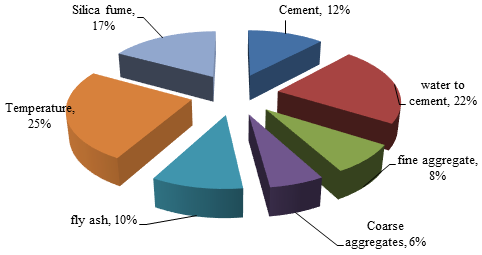
Figure 2. Demonstration of Permeability of Self-compacting Concrete Containing Fly Ash and Silica Fume [17].
The silica fumes help to improve the material properties and provide some environmental benefits. The geopolymer and zero waste are such building materials that protect finite natural resources and reduce carbon dioxide emission to control climate change to certain extent. The Portland cement was replaced with some readily available industrial waste such as slag, Metakaolin, silica fumes, coal ash and fly ash. It was shown that silica fumes are an exponentially Pozzolanic substance. Furthermore, it was also concluded that the use of ferrosilicon industrial by-product improved the automatic properties of concrete the tensile strength plays a crucial role in concrete making process it is a strongest match of concrete to attain compressive strength [18].
Cracking in concrete is possible when tension is created and also causes serviceability and durability problems. It is investigated that when silica fume is added in concrete a remarkable refinement has noticed in mechanical properties of concrete and investigated the effects of silica on the properties of concrete. But still the process of finding distinctive conclusion concerning the optimum silica fumes substitution percentage level for prevailing the maximum strength of concrete. Silica fumes have glassy and spherical shape and have high silicon dioxide contents. When mixed with concrete it will reduce abrasion damage and increase chemical resistance, also reduce segregation. lubricant in nature and have ball bearing-effects silica are very efficient fore tension zone between aggregates and paste and provide maximum particle packing and reduce permeability. In Silica fumes spherical particles are present which have high contents and make it Pozzolanic reactive due to its extreme fineness the addition of silica is notable in chloride ion. Silica fumes provide early strength, compressive strength, flexural strength, modulus elasticity, increase toughness, high bond strength and also durability. In concrete about 10% silica fumes is added to maintain slump [19-23]
1.3. MetakaolinMetakaolin is a natural by-product obtained from the heating of kaolin which is grey-white in color [24]. It is one type of clay originated from calcination process and clay should be utilized in Metakaolin as Pozzolanic material. About 600-900ºC temperature is needed to produce Metakaolin [25-27]. Due to the cementing ability of Metakaolin, its demand as an alternative material for concrete has been increasing, owing to world population. Its use as a supplementary material exhibited environmental benefits which can reduce the cost of concrete production. The highly Pozzolanic material Metakaolin is stable under normal environmental conditions and increases the compressive and flexural strength of concrete. This material also reduced shrinkage and permeability.
With the increase in the amount of metakaolin in cement, the compressive strength per day is enhanced. It was investigated that metakaolin partially replacement of cement also reduced environmental damages. The incorporation of Metakaolin in concreting mixture serves as cementitious material. Due to low-cost production and easy availability, the application of metakaolin as cementing material is increasing. Poor and high reactive kaolin were tested at different temperatures for different times. Some evidences show that the poor kaolin is used to produced highly reactive Metakaolin. Metakaolin are used as supplementary material in construction industry because they help to reduce permeability of hardened cement and reduce CO2 emission. The use of this as supplementary material exhibited environmental benefits which can reduce the cost of concrete production. The highly Pozzolanic material Metakaolin is stable under normal environmental conditions and increases the compressive and flexural strength. This material also reduced shrinkage and permeability. It was investigated that metakaolin partially replacement with cement also reduced environmental damages [28, 29].
Table 2. Chemical Composition of Metakaolin [30]
|
Chemicals |
Percentage (%) |
|---|---|
|
SiO2 |
62.62 |
|
Al2O3 |
28.63 |
|
Fe2O3 |
1.07 |
|
MgO |
0.15 |
|
CaO |
0.06 |
|
Na2O |
1.57 |
|
K2O |
3.46 |
|
TiO2 |
0.36 |
|
LOI |
2.00 |
Cement was replaced with up-to 20% of MK. The presence of MK reduced capillary action (water penetration into pores). Due to increase in intense humidity cause durability problems. Reduction in absorption increase MK contents by capillary action [31]. Pore structure of concrete provides a useful demonstration to measure the rate of absorption and this process is publicly described [32-42]. Cement is partially replaced by MK at different percentages, followed by the series of elasticity tests on cylindrical concrete of different sizes to evaluate their elasticity behavior. Metakaolin improved the compressive, flexural and tensile strength of concrete to exploit the supplementary material like Metakaolin in concrete and recompense the environmental and economic issues caused by cement production [43].
Table 3. Physical Properties of Metakaolin [44]
|
Particulars |
Values |
|---|---|
|
Appearance |
Off-white powder |
|
PH (10% solids) |
0.4-5.0 |
|
Bulk density (kg/L) |
0.4-0.6 |
|
Specific gravity |
2.6 |
|
Loss of ignition |
1.5 |
|
Lime reactivity |
1050mg Ca (OH)2/g |
Laterite is a soil type rich in iron, silica, and aluminium oxides, formed as a residual product of intense weathering [45]. Laterite soils are increasingly used as precursors in the production of feasible geopolymer materials. The replacement of conventional construction materials such as stone, bricks, and concrete blocks has gained attention in recent years. However, the use of soil blocks presents challenges related to water absorption, strength, and durability, which can limit their widespread application in the construction industry. Compressed soil blocks are also weak without external support and are thus not stable enough to be used in place of high rainfall areas. Laterite soil is very common in vast geographical areas, and the physical nature, chemical structure, and geology of the material is determined by a number of factors among them being the origin, the environmental factors, the physical properties of the surface, and the extent to which the soil has been weathered. In spite of its plenty, laterite does not always have favourable physical and chemical attributes like poor gradation, low bearing ratio, and high plasticity that can satisfy the specification of high-volume road construction [46].
Sand is also very significant in altering the cementitious materials properties and addition of sand to the soil blocks helps in determining the density, compressive strength and tensile strength. Addition of lime is normally considered to enhance mechanical and thermal qualities of blocks made of laterites. Lime is an important ingredient in cementitious reactions and acceleration of strength. Laterite is regarded as one of the new promising materials in the production of alkali-activated binders due to its availability worldwide. Laterite-based cement has greater compressive power and durability since it has less permeability of the soil matrix and more resistance in magnesium sulfate conditions. Initially, the compressive strength may decrease during the first three days because pozzolanic reactions progress slowly; however, strength increases gradually over time as the reaction continues.
Table 4. Physical Properties of Laterites
|
Physical Properties |
Laterite Aggregates |
|---|---|
|
Moisture contents (%) |
0.52 |
|
Aggregates impact values |
28.70 |
|
10 % fine values |
10.20 |
|
Aggregate crushing value |
30.70 |
|
Specific gravity |
2.54 |
|
Elongation index |
8.00 |
|
Flakiness index |
8.50 |
|
Water absorption |
1.07 |
Fly ash is a finely divided residue produced from the combustion of coal and collected from exhaust gas chambers. The burning conditions and collection mechanisms contribute to its pozzolanic reactivity. The use of fly ash in hydraulic cement has led to a wide range of applications in the construction industry [47]. Fly ash with high fineness and low carbon content reduces the water demand of concrete. Incorporating fly ash improves the workability of concrete and helps reduce cohesiveness and segregation, resulting in a more uniform and workable mixture.
Table 5. Physical Requirements of Fly Ash
|
Characteristics |
Requirements |
|---|---|
|
Soundness by auto- calved test expansion in % (max.) |
0.8 |
|
Strength activity index with Portland cement in 7 and 28 day in % (min.) |
75 |
|
Water requirements in% control in max. |
105 |
|
Partial retained on 45 microns % |
34 |
To find the compressive strength of fly ash, assembled and non-assembled machines are used. Machine learning is used for testing the material we use as waste product (fly ash) which gives accurate information and precise data. This study collects appropriate data and allows researchers to learn about various methodologies.
1.6. Rice Husk AshRice husk ash (RHA) is a by-product that there is in the milling and burning rice husk. Burning, which is normally conducted at a temperature of 600-800 degC, raises silica content of the ash. The presence of silicon and oxygen atoms is also important as they are major constituents of silica, and they are also acting as pozzolana. Rice husk ash usually has approximately 85-90% silica which makes it a binding agent in concrete and improves its resistance to environmental degradation.
When RHA is processed into fine powder and applied as a Supplementary Cementitious Material (SCMs), it is being combined with cement, water and aggregates. Its fine particles occupy the interspersions between the cement grains, minimize the size of pores and increase the overall density of the matrix. This causes enhanced compressive and flexural strength of the concrete. The hypereactivity of RHA can be explained by the fact that this material contains a high ratio of amorphous silica, a high-surface-area, and a small particle size, which all contribute to the pozzolanic properties and enhance the development of workability and strength [48]. A variety of different combustion methods can be used to make RHA, such as self-built combustion systems and controlled laboratory ovens. The self combustion process comes with two stoves and a combustion chamber. Rice husk ash may be produced by both controlled and uncontrolled burning, although controlled burning tends to produce ash which has a higher quality as a pozzolan..
Table 6. Physical Properties of Rice Husk Ash
|
Particulars |
Properties |
|---|---|
|
Appearance |
Very fine |
|
Specific gravity |
2.3 |
|
Odor |
Odorless |
|
Particle size |
45 microns |
|
Mineralogy |
Non- crystalline |
|
Shape texture |
Irregular |
|
Color |
Gray |
The compressive strength of the hardened concrete matrix has been found to have a significant impact when different nanoparticles are used to replace a part of the conventional materials like nano-TiO2, nano-Al2O3, nano-Fe2O3, and nano-ZrO2. This research aims to discuss the compressive strength and durability of the performance of nanomaterial-enhanced concrete. It also tries to test the raw material, mix designs using nanoparticles as partial replacements, and the sulfate attack resistance of nano-modified concrete.
Research and development on the use of nanomaterials in concrete has attracted significant interest because of its capacity to improve the mechanical and durability characteristics of the traditional concrete. To be applied effectively, nanoparticles should be less than 200 nm in diameter and their functional effect is normally felt at a maxim of 500 nm. When added to concrete, nanomaterials can reduce cement content while improving the binding efficiency and packing density of the matrix. Common nanoparticles used in concrete include nano-silica, nano-alumina, carbon nanotubes, polycarboxylates, nano-clay, and nano-kaolin. Nano-iron oxide, for example, contributes to improved strength development and enhances the overall bonding potential of the matrix. Nano-silica is highly reactive but may present challenges related to dispersion and workability. Nano-titanium dioxide is known for its self-cleaning (photocatalytic) properties when incorporated into concrete surfaces. Overall, nanotechnology has improved the understanding of nanoparticle behavior in cementitious systems and has provided new opportunities for developing advanced, high-performance concrete materials.
Table 7. Utilization of Nanomaterial in Construction Industry
|
Nanomaterial used |
Applications in construction |
Properties |
|---|---|---|
|
Al2O3 nanoparticles |
Asphalt concrete |
Increased serviceability |
|
Carbon nanotubes |
concrete |
Crack prevention |
|
Titania nanoparticles |
concrete |
Self-cleaning, increase hydration |
|
Silica nanoparticles |
concrete |
Reinforcement of strength |
|
Copper nanoparticles |
Steel |
Corrosion resistance |
|
Iron oxides nanoparticles |
concrete |
Increase compressive strength and abrasion resistant |
|
Clay nanoparticles |
Bricks and mortar |
Increase surface roughness and compressive strength |
When nano-particles are added into cement the durability of cement increases. In different research the experimental work supervise that the size of Nano material should be less than 100 nm in size when mixed with concrete. Due to the presence of different particles in concrete the micro-structure of Nano-silica become denser and more consistent than other conventional concrete [49].
1.8. Sugar-cane BagasseThe residue of sugarcane plants after juice extraction, commonly known as bagasse, is a biomass by-product that can be converted into ash through controlled combustion. The process begins with the collection of waste material, which is washed in a water tank and then sun-dried. When heated to approximately 600 °C, the dried biomass is transformed into ash. Globally, about 600 million tons of sugarcane waste are generated annually. The incorporation of biomass ash into cement can enhance strength and durability due to its pozzolanic activity, which results from the presence of oxide compounds. Sugarcane is widely used in the production of sugar, alcohol, and bio-ethanol, and it also serves as a raw material for various industrial bioproducts. The use of sugarcane bagasse ash (SCBA) in cementitious materials presents a prospect of using less energy, less environmental impact and create sustainable construction materials. Substitution of a part of cement with SCBA may enhance quality of cement and lower the total construction expenses.
Sugarcane bagasse normally has a cellulose level of approximately 50 percent as well as lignin level of 25 percent and hemicellulose level of 25 percent. The components enhance better workability of cementitious mixtures. SCBA is able to enhance compressive strength of concrete by about 5 per cent at the right replacement levels. But in case of too great the replacement percentage, compressive as well as tensile strengths are likely to decrease.
Sugarcane bagasse is derived from a tropical and sub-tropical crop. China is the third-largest producer, yielding approximately 2 million tons of sugarcane per year. Sugarcane and its by-products are widely used in fertilizers, glass–ceramic material production, geopolymers, ceramic raw materials, Fe₂O₃–SiO₂ systems, nanoparticles, and silica aggregates. Sugarcane bagasse also serves as a lightweight aggregate with pozzolanic reactivity comparable to that of rice husk ash (RHA). Numerous studies have examined its application in cementitious materials, including conventional concrete, high-performance concrete, self-compacting concrete, recycled aggregate concrete, aerated concrete, pavement concrete, and lightweight concrete.
Laboratory investigations have shown that the pyrolysis of bagasse produces approximately 28–33% charcoal, which can be used as fuel for compressed blocks and particle materials. The heat of combustion often exceeds the upper limit for carbonization processes. To manage the large quantity of fine particles and fibrous structure of bagasse, a rotating drum system is typically required. More advanced two-stage techniques combine a furnace with a closed pyrolytic vapor and heat-carrier system to control carbon emissions. Bagasse can also be used as an alternative biomass source for charcoal manufacturing. Despite its relatively high thermal value (18.4 MJ/kg at 12% moisture content), bagasse and cane trash have limitations when used as fuel. In densely populated areas, bagasse-fired boilers can pose a health risk due to airborne fly ash emissions. Implementing effective emission-control technologies is essential to reducing environmental pollution. To mitigate excessive emissions, boilers and associated equipment must be operated and maintained properly under professional supervision [15]
Table 8. Physical Properties of Sugar-cane Bagasse Powder
|
Physical parameters |
Sugar-cane bagasse powder |
Treated sugar-cane powder bagasse |
|---|---|---|
|
Specific gravity |
0.6 |
0.55 |
|
Bulk density |
0.54 |
0.51 |
|
Porosity |
61 |
69 |
|
Surface area |
16 |
18 |
|
Avg. particle size |
0.7 |
0.65 |
|
Moisture content |
55.7 |
51.4 |
|
Loss in ignition |
91.6% |
91.22% |
|
Al2O3 |
2.3% |
2.3% |
|
SiO2 |
1.1% |
1.1% |
|
Fe2O3 |
0.23% |
0.23% |
To select a perfect energy crop and transform it into biofuels required an important characteristics design which is suitable and cost-effective. A lot of properties of generated residue is present in sugar alcohol industry. Different studies have demonstrated that sugar cane bagasse can be used as small-scale pyrolysis. Large scale pyrolysis is not established for other feed stocks. To produce biofuel feed stock applications on large scale are used. Bagasse pyrolysis have a wide range of products that can be used in fuels and chemicals.
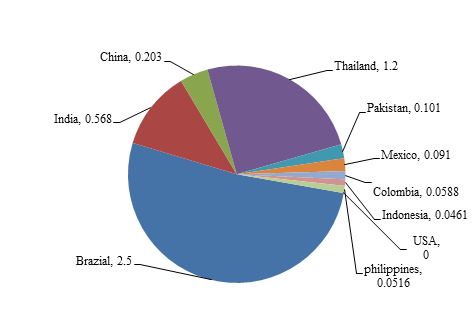
Figure 4. Utilization of sugar-cane bagasse’s ash as cement
The SCBA affected fresh and hard hardened state attributes like strength, modulus and hostile environmental effects.
1.9. Blended CementResearch on chloride-induced corrosion began nearly three decades ago, driven by the increasing demand for long-lasting reinforced concrete infrastructure. Reducing CO₂ emissions through the use of industrial by-products in cement production has become a major focus in sustainable construction. This includes replacing natural aggregates, recycling waste materials, and conserving water in concrete manufacturing. Blended cements, produced by partially substituting OPC, SCMs, significantly influence chloride ion penetration and improve the deformational properties of concrete.
To test blended cement samples, the samples were normally cured using tap water over different durations. Ordinarily, composite cementitious materials were much more resistant and durable than plain systems built through OPC. The hydration of mixed cement that included some components like Nao and CaO promoted the construction of other ancillary materials and helps reduced the CO2 emissions.
Ceramic-based materials are fine materials that are regularly utilized as roof tiles and Portland cement. One of the earliest materials that were studied in terms of pozzolanic activity was thermally treated clay. Nevertheless, these materials can be disposed because of wrong firing temperatures, mechanical or dimensional faults, and poor durability. The pozzolanic clays and Portland cement tend to have a similar morphology and their hydration stages tend to be studied by scanning electron microscopy (SEM) and X-ray diffraction (XRD). It is also used to reduce the environmental impact on the CO2 emission ecological footprint caused by cement production through the use of blended cement binders. In order to obtain more robust and effective findings, one should resort to such methods as thermal analysis, microstructural characterization, energy-dispersive spectroscopy (EDS), and compressive strength.
Table 9. Chemical Composition-based EDS Analysis of Blended Cement
|
Elements |
Mass (%) |
Atom (%) |
Mass Norm (%) |
Abs.error(%) |
Rel.error(%) |
|---|---|---|---|---|---|
|
Titanium |
0.6 |
0.73 |
0.96 |
0.04 |
0.77 |
|
Sulfur |
0.7 |
0.38 |
0.5 |
0.04 |
1.55 |
|
Iron |
1.50 |
5.0 |
9.23 |
0.06 |
4.66 |
|
Calcium |
2.38 |
11.34 |
14.32 |
0.2 |
4.04 |
|
Potassium |
0.71 |
3.38 |
4.19 |
0.07 |
6.84 |
|
Silicon |
7.88 |
52.3 |
47.99 |
0.38 |
4.55 |
|
Sodium |
0.13 |
0.96 |
0.74 |
0.05 |
29.06 |
The environmental effects related to concrete have also attracted attention as a result of the growing demands of the sustainable construction practices. The emission of carbon dioxide (CO2) also is one of the most common indicators of environmental performance of the concrete production. Cement and SCMs like fly ash, BFS, metakaolin, rice husk ash as well as blended cements have been studied to a great extent in terms of its role in emissions and how it can be improved. A combination of concrete and reinforcing steel is about 65 percent of the greenhouse gases that occur during building construction. On the whole, the CO2 emissions that are produced by necessary construction materials are almost 40 percent of the negative effects in the built environment.
Victor et al. demonstrated how to optimize the cost of the CO2 associated with precast concrete road bridges in terms of the U-shaped sections. The use of SCMs is one of the strategies that improve CO2 emissions reduction, by substituting partially Portland cement with other substances that are friendly to the environment like fly ash, slag, rice husk ash, or metakaolin. Since cement production is energy-intensive, and emits substantial CO2 during the calcification of limestone, the use of SCMs lead to the decrease of the energy use and greenhouse gas emissions. In addition to environmental advantages, the SCMs can increase the performance of the concrete by raising the durability, strength and resistances of the concrete against chemical attacks by pozzolanic reactions to refine the microstructure. The strategy will facilitate the adoption of sustainable waste management, efficiency in resource management, and cost-effective along with long-term and sustainable construction practices that are environmental friendly [50].
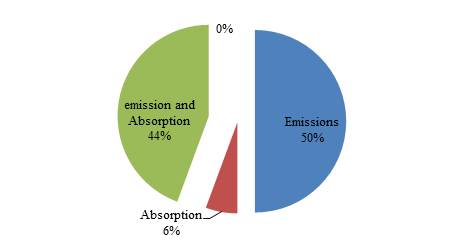
Figure 5. CO2 Emission-Absorption in Concrete for Precast
CO2 uptake is about 6 percent in precast concrete production whereby the amount of emissions was about 44 percent and that the cumulative effect was about 50 percent in precast manufacturing phase. The energy needed in cement production is extremely high hence coal is usually employed as the energy source. The process involves burning of pulverized coal and about 450 g of coal is burnt to form 900 g of cement.
SCMs reduction of CO2 is done by partially substituting Portland cement clinker with low environmental materials like fly ash, silica fume, rice husk ash, sugarcane bagasse ash, slag, or metakaolin. Because the Portland cement manufacture process is a primary source of CO2 emissions in the world (about 8% of all emissions), since limestone calcification and burning fuels of high temperature are the main contributors of CO2, the application of SCMs should considerably decrease the carbon footprint of the concrete without impacting its performance. There is the ability to reduce CO2 release by up to 70 to 10 percent depending on the extent of replacement and the type of material, by incorporating SCMs like fly ash, slag, silica fume and calcined clays, which can decrease CO2 emissions by up to 10 to 70 percent on a relative basis over traditional Portland cement. Studies of life-cycle assessment (LCA) indicate that 30-50% replacement of cement with SCMs can cut down on emission by 30-60-percent; cradle-to-gate CO2-savings of more than 200 kg per m3 of concrete in certain areas. These cuts are justified with experimental mix designs and LCA assessments on the basis of processing of raw materials, transportation, and in some instances the uptake of carbonation in concrete.
The SCMs usage is highly conditioned by the availability in the region. India and Brazil are countries that widely employ SCMs due to a high availability of industrial by-products, but the shortages of SCMs was experienced in areas that have experienced a decline in coal-fired generation of power or steel industry. This has promoted using substitutes like natural pozzolans and calcined clays.
2. CONCLUSION
The construction industry is one of the sectors enjoying the benefits of using various SCMs to improve the performance of concrete. The use of these materials enhances mechanical strength, mechanical stability and decreases the cost and alleviates environmental effects. SCMs are of importance to the cement and concrete industry since they are cheap as well as being accessible as by-products of industrial waste streams. Study on SCMs is growing beyond small scale testing to determine their influence on the concrete properties, and their influence on the CO2 emission and the general performance of environmental effects during a concrete production.
2.1. LimitationsSCMs enhance the performance and the sustainability of the concrete; however, they are not without limitations. These are low availability and variability, differences in material treatment and impurities, retarded early-age strength gains, risks of alkali-silica reactions, carbon footprint, regulatory limits, incompatibility with chemical admixtures and doubts of long term strength in the structure. To cope with them, it is important to choose SCMs with great care in accordance with the needs of the project, to introduce strict testing and quality management methods, and to provide the close interactions between the key stakeholders such as contractors, researchers, and suppliers of the materials.
2.2. Future PerspectivesSCMs vary in performance and chemical and physical properties, which may cause low rates of strength development, issues in compatibility, and environmental issues. The future research must be aimed at the better characterization methods of SCMs and development of the innovations in SCM production processes. Optimality in selection of material to be used in particular applications can be made through enhanced compatibility testing between various cement and chemical admixtures. Also, full life cycle review of the SCM based concrete is necessary to assess their impact on the environment and performance in the long term. The ongoing attempts to work out the standardized ways of testing and the levels of performance will improve credibility, consistency, and trust in the bigger use of SCMs in the construction business. The further elaboration of standardized method of testing and related performance standards will enhance the confidence and consistency of using SCMs.
Author Contribution
Nimra Iqbal: writing - original draft. Shaukat Ali: project administration. Maria Ajmal: writing - original draft. Ume Omeema: writing - original draft. Nimra: writing - original draft. Nosheen Sial: supervision. Asif Hanif Chaudhary: conceptualization
Conflict of Interest
The authors of the manuscript have no financial or non-financial conflict of interest in the subject matter or materials discussed in this manuscript.
Data Availability Statement
Data availability is not applicable as no new data was created.
Funding Details
No funding was received for this research.
Generative AI Disclosure Statement
The authors did not use any type of generative artificial intelligence software for this research.
Acknowledgment
The authors acknowledge Muhammad Aslam for helping in data analysis.
REFERENCES
- Abdel-Rahman HA, Younes MM. Performance of irradiated blended cement paste composites containing ceramic waste powder towards sulfates, chlorides, and seawater attack. J Vinyl Addit Technol. 2020;26(1):24-34. https://doi.org/10.1002/vnl.21743
- Proença JD, Suzuki MM, Costa SC, Hirata BS, Lopes MB, Contreras EF. Influence of different water types on the physical and mechanical properties of gypsum. Braz J Oral Sci. 2015;14(3):199-203. https://doi.org/10.1590/1677-3225v14n3a05
- Beaudoin J, Odler I. Hydration, setting and hardening. In: Lea’s Chemistry of Cement and Concrete. 5th ed. Elsevier; 2019:157.
- Gartner E, Sui T. Alternative cement clinkers. Cem Concr Res. 2018;114:27-39. https://doi.org/10.1016/j.cemconres.2018.04.007
- Li Y, Liu ZY, Jiang JY, et al. Microstructure and macroscopic properties of low-carbon concrete subjected to elevated temperature: state-of-the-art review. J Build Eng. 2024;86:e108731. https://doi.org/10.1016/j.jobe.2024.108731
- Imbabi MS, Carrigan C, McKenna S. Trends and developments in green cement and concrete technology. Int J Sustain Built Environ. 2012;1(2):194-216. https://doi.org/10.1016/j.ijsbe.2013.05.001
- Dan AK, Bhattacharjee D, Ghosh S, et al. Prospective utilization of coal fly ash for making advanced materials. In: Clean Coal Technologies. Springer; 2021:511-531.
- Ahmad J, Kontoleon KJ, Majdi A, et al. A comprehensive review on ground granulated blast furnace slag in concrete production. 2022;14(14):8783. https://doi.org/10.3390/su14148783
- Marjanović N, Komljenović M, Baščarević Z, Nikolić V, Petrović R. Physical–mechanical and microstructural properties of alkali-activated fly ash–blast furnace slag blends. Ceram Int. 2015;41(1):1421-1435. https://doi.org/10.1016/j.ceramint.2014.09.075
- Babu KG, Prakash PS. Efficiency of silica fume in concrete. Cem Concr Res. 1995;25(6):1273-1283. https://doi.org/10.1016/0008-8846(95)00119-1
- Badogiannis E, Kakali G, Tsivilis S. Metakaolin as supplementary cementitious material: optimization of kaolin to metakaolin conversion. J Therm Anal Calorim. 2005;81(2):457-462. https://doi.org/10.1007/s10973-005-0975-2
- Bahurudeen A, Kanraj D, Dev VG, Santhanam M. Performance evaluation of sugarcane bagasse ash blended cement in concrete. Cem Concr Compos. 2015;59:77-88. https://doi.org/10.1016/j.cemconcomp.2015.03.004
- Bautista-Gutierrez KP, Herrera-May AL, Santamaría-López JM, Honorato-Moreno A, Zamora-Castro SA. Recent progress in nanomaterials for modern concrete infrastructure. 2019;12(21):e3548. https://doi.org/10.3390/ma12213548
- Bhanja S, Sengupta B. Investigations on the compressive strength of silica fume concrete using statistical methods. Cem Concr Res. 2002;32(9):1391-1394. https://doi.org/10.1016/S0008-8846(02)00828-4
- Bhanja S, Sengupta B. Influence of silica fume on the tensile strength of concrete. Cem Concr Res. 2005;35(4):743-747. https://doi.org/10.1016/j.cemconres.2004.05.024
- Boscaro F, Palacios M, Flatt RJ. Formulation of low clinker blended cements and concrete with enhanced fresh and hardened properties. Cem Concr Res. 2021;150:e106605. https://doi.org/10.1016/j.cemconres.2021.106605
- Bredy P, Chabannet M, Pera J. Microstructure and porosity of metakaolin blended cements. MRS Online Proc Libr. 1988;136:275-280. https://doi.org/10.1557/PROC-136-275
- Brown ET, Bourlès DL, Colin F, et al. Development of iron crust lateritic systems in Burkina Faso. Earth Planet Sci Lett. 1994;124(1-4):19-33. https://doi.org/10.1016/0012-821X(94)00066-X
- Buenfeld NR, Newman JB. The permeability of concrete in a marine environment. Mag Concr Res. 1984;36(127):67-80. https://doi.org/10.1680/macr.1984.36.127.67
- Bukhari SA, Chaudhry AH, Iqbal MN, Siddiqui RH. Performance of cement containing laterite as supplementary cementing material. J Chem Chem Eng. 2013;62(3):65-70.
- Cadrin SX, Karr LA, Mariani S. Stock identification methods: an overview. In: Stock Identification Methods. Elsevier; 2014:1-5. https://doi.org/10.1016/B978-0-12-397003-9.00001-5
- Çakır Ö. Experimental analysis of recycled coarse aggregate concrete with mineral additives. Constr Build Mater. 2014;68:17-25. https://doi.org/10.1016/j.conbuildmat.2014.06.032
- Calvin WD. Thermal drying: turning bagasse from a problem to a profit center. 1996;8:61-68.
- Camargo-Pérez NR, Abellán-García J, Fuentes L. Rice husk ash as supplementary cementitious material for pavements. J Mater Res Technol. 2023;25:6167-6182. https://doi.org/10.1016/j.jmrt.2023.03.260
- Cid-Falceto J, Mazarrón FR, Cañas I. Assessment of compressed earth blocks made in Spain. Constr Build Mater. 2012;37:738-745. https://doi.org/10.1016/j.conbuildmat.2012.04.013
- Cordeiro GC, Toledo Filho RD, Tavares LM, Fairbairn EMR. Binary and ternary blended cement concretes with agro-ashes. Constr Build Mater. 2012;29:641-646. https://doi.org/10.1016/j.conbuildmat.2011.07.029
- Bjegovic D, Stirner N, Serdar M. Durability of concrete improved by extremely fine cementitious materials. Mater Corros. 2012;63(12):1087-1096. https://doi.org/10.1002/maco.201206664
- de Sande VT, Sadique M, Pineda P, et al. Sugar cane bagasse ash as sand replacement. J Build Eng. 2021;39:e102277. https://doi.org/10.1016/j.jobe.2021.102277
- Diamond SA, Kennedy AJ, Melby NL, et al. Potential hazard of nanoscale TiO₂ in photocatalytic cement. 2017;8:11-19. https://doi.org/10.1016/j.impact.2017.06.001
- Dimoudi A, Tompa C. Energy and environmental indicators of office buildings. Resour Conserv Recycl. 2008;53(1-2):86-95. https://doi.org/10.1016/j.resconrec.2008.09.008
- Farabi H, Ramroop I. Bagasse: controlling pollution from a free fuel. Chem Eng World. 1994;29(3):51-56.
- Galán-Marín C, Rivera-Gómez C, Petric J. Clay-based composites stabilized with natural polymer. Constr Build Mater. 2010;24(8):1462-1468. https://doi.org/10.1016/j.conbuildmat.2010.01.008
- Ganesan K, Rajagopal K, Thangavel K. Evaluation of bagasse ash as supplementary cementitious material. Cem Concr Compos. 2007;29(6):515-524. https://doi.org/10.1016/j.cemconcomp.2007.03.001
- Goel G, Sachdeva P, Chaudhary AK, Singh Y. Nanomaterials in concrete: a review. Mater Today Proc. 2022;69:365-371. https://doi.org/10.1016/j.matpr.2022.01.060
- Goldman A, Bentur A. Influence of microfillers on concrete strength. Cem Concr Res. 1993;23(4):962-972. https://doi.org/10.1016/0008-8846(93)90161-J
- Gopalan MK. Sorptivity of fly ash concretes. Cem Concr Res. 1996;26(8):1189-1197. https://doi.org/10.1016/0008-8846(96)00114-1
- Hall C. Water movement in porous building materials—IV. Build Environ. 1981;16(3):201-207. https://doi.org/10.1016/0360-1323(81)90023-2
- Hall C. Water sorptivity of mortars and concretes. Mag Concr Res. 1989;41(147):51-61. https://doi.org/10.1680/macr.1989.41.147.51
- Halstead WJ. Use of fly ash in concrete. NCHRP Synth Highw Pract. 1986;(127):1-45.
- Ho DS, Lewis RK. Water sorptivity of concretes under continuous curing. Durab Build Mater. 1987;4(3):241-252. https://doi.org/10.1016/0167-3890(87)90015-8
- Hussien NT, Oan AF. Use of sugarcane wastes in concrete. J Eng Appl Sci. 2022;69(1):e31. https://doi.org/10.1186/s44147-022-00051-w
- Indukuri CSR, Nerella R, Madduru SRC. Effect of graphene oxide on cement composites. Constr Build Mater. 2019;229:e116863. https://doi.org/10.1016/j.conbuildmat.2019.116863
- John N. Strength properties of metakaolin admixed concrete. Int J Sci Res Publ. 2013;3(6):1-7.
- Justice JM, Kurtis KE. Influence of metakaolin surface area. J Mater Civ Eng. 2007;19(9):762-771. https://doi.org/10.1061/(ASCE)0899-1561(2007)19:9(762)
- Jose A, Kasthurba AK. Laterite soil-cement blocks modified with natural rubber latex. Constr Build Mater. 2021;273:e121991. https://doi.org/10.1016/j.conbuildmat.2020.121991
- Kaze CR, Lecomte-Nana GL, Kamseu E, et al. Inorganic polymer cement from laterite. Cem Concr Res. 2021;140:e106320. https://doi.org/10.1016/j.cemconres.2020.106320
- Kaze RC, Moungam LB, Djouka MF, et al. Corrosion of kaolinite and geopolymerization. Appl Clay Sci. 2017;138:48-62. https://doi.org/10.1016/j.clay.2016.12.020
- Kazemi R, Gholampour A. Rapid chloride permeability using AI. Constr Build Mater. 2023;409:e133835. https://doi.org/10.1016/j.conbuildmat.2023.133835
- Kelham S. Water absorption test for concrete. Mag Concr Res. 1988;40(143):106-110. https://doi.org/10.1680/macr.1988.40.143.106
- Khalil MJ, Aslam M, Ahmad S. Sugarcane bagasse ash as cement replacement. Constr Build Mater. 2021;270:e121371. https://doi.org/10.1016/j.conbuildmat.2020.121371