

| Review | Open Access |
|---|
Chemical Modifications of Alginates for Biomedical Applications-A Review |
 |
|---|
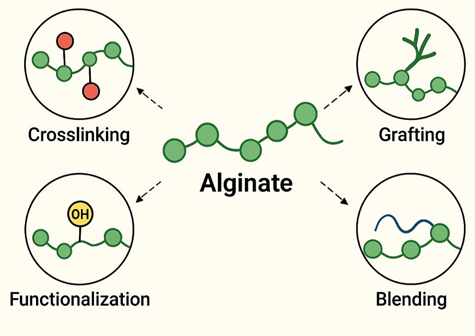
In current pharmaceutical developments, biopolymers have earned a unique position as a choice of excipient not only by affecting formulation developments but also by imparting biocompatibility, degradability, and stimuli responsiveness for controlled drug release in living systems. Alginate (Alg) is a versatile, flexible, bioactive, non-toxic, and inexpensive biopolymer. This is obtained from brown seaweeds and some exo-polysaccharide (EPS) producing-bacteria. Native Alg is susceptible to faster degradation, dimensional instability, de-polymerization at high temperature, and low pH precipitation. Therefore, its chemical modifications attracted researchers to improve biological, chemical, and physicochemical properties in order to improve gelation, strength and cell adhesion for biomedical utilization. This process was carried out by tailoring its hydroxyl and carboxylic functional groups by oxidation, reductive amination, acetylation, phosphorylation, sulfation, esterification, amination, and Ugi reactions. These modifications were achieved by blending, cross-linking, solvent casting, complexation, and grafting. The purpose was to use Alg for improvement in cell affinity, gelation, mechanical trength, structural, functional flexibility, and encapsulation for drug delivery, wound healing, tissue engineering, cancer treatments, bone regenerations, food packaging, metal adsorption, wastewater treatment, and cosmetics. The active sites in the Alg are generated by the use of initiator, cross-linker or irradiation. In this study, sources, properties, and different chemical reactions used to make Alg derivatives are summarized. In conclusion, applications of modified Alg in medico-biological, environmental, and food industry are briefly stated.
GRAPHICAL ABSTRACT
1. INTRODUCTION
Alginate (Alg) is a natural, water soluble, and hydrophilic polysaccharide extensively exploited in biomedical sector due to its excellent biocompatible, biodegradable, non-toxic, and non-immunogenic nature. It also represents outstanding physicochemical properties, such as antimicrobial activity, film-forming capability, ionic cross-linking, modifiability, and muco-adhesion. Additionally, it has been approved by Food and Drug Administration (FDA) as a safe substance. Therefore, it holds a central position in drug/protein delivery, tissue regeneration, wound dressings, pharmaceutics, food industry, and academic research. Alg is a linear biopolymer made up by 1,4-linkage of β-D-mannuronic acid (M-block) and α-L-guluronic acid (G-block). The α-L-guluronic acid is C-5 epimer of β-D-mannuronic acid. The structural representation of G-block and M-block is demonstrated in Figure 1.
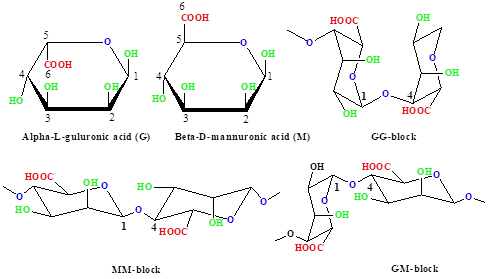
Figure 1 Schematic Depiction of G-blocks and M-blocks in Alginate Structure
1.1. Sources of Alginates (Algs)Alg is abundant in nature due to their high quantity found on the ocean bed. It is estimated that about 30,000 metric tons of Alg is produced annually which is projected to be only 10% of Alg biosynthesized in the nature. Marine brown seaweeds and some exo-polysaccharide (EPS)-producing bacteria are two major sources of Alg. The brown seaweeds are multicellular form of marine algae which are rich in hydrophilic polysaccharides. It is expected that 40% content of brown seaweeds consists of ionic polymers. Despite the abundance of seaweeds, only three seaweeds can be isolated, namely Macrocystis, Ascophyllum, and Laminarians that are harvested and gathered from western USA and northern Europe. Among EPS-producing bacteria, Psuedomonas aeruginosa (P. aeruginosa) and Azotobacter vinelandii (A. vinelandii) produce microbial Alg which is a good alternative of its seaweed-derived Algs. However, it suffers from limited supply. In addition, bacterial alginates (Algs) are acetylated unlike their seaweed sources. On the other hand, marine pollution also limits the use of seaweed-derived Algs. Irrespective of the Alg source, it must be very pure in order to process it and make soluble salts for variety of applications. The salts of alginic acid are also known as Algs. Sodium, potassium, and calcium Algs are most commonly found and represented in Figure 2.
1.2. Properties of Alginates (Algs)This section describes some important properties of Algs to understand the reactions involved in the nature of gelation, degradation, solubility, and mechanical strength.
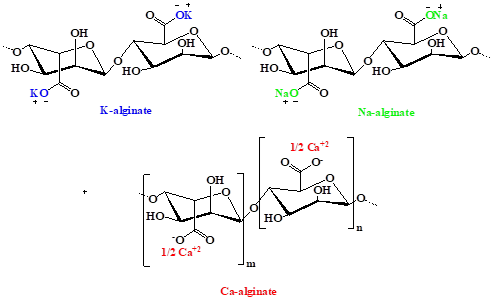
Figure 2. The Three Commercially-available Salts of Alginic Acid
1.2.1. Solubility. In aqueous mediums, the solubility of Alg is dependent upon the protonated/ionized state of carboxylic groups, nature of solvent and cross-linking ions presents in the solution. If carboxylic groups are in ionized form as in Na-Alg, K-Alg, and Ca-Alg, then it is soluble in water. However, it can be reversed by pouring HCl to get alginic acid which is water insoluble. Likewise, by the addition of a base, such as NaOH, Ca(OH)2, and KOH, alginic acid can be transformed into the corresponding Algs. Moreover, viscosity, chain enlargements, and chain conformations are also influenced by the tuning of ionic strength which, in turn, affects Alg solubility. In organic media, Algs with more polar groups are less soluble and vice versa. In order to dissolve them in the organic solvents, hydrophobic counter ions are vital, namely tetrabutylammonium fluoride (TBAF) and tetrabutylammonium (TBA) in dimethylformamide (DMF) or dimethylsulfoxide (DMSO). The solubility of Algs in organic solvent has opened a new research route in material, organic, and academic sciences.
1.2.2. Gelation. The name Alg has been derived from their gelling behavior. It is hydrophilic, water soluble, degradable, and low-cost biopolymer. The gelation capability of Alg originates from its carboxylic group which opts negative charges in order to bind metallic ions, such as Ca2+, Ba2+, Sr2+, and Ni2+ to construct poly anionic chains. Thus, it not only absorbs water readily but is also used in water proofing, fire proofing, dehydrating products, thickening, and gelling applications [1]. There are two different kinds of Alg gelation which are discussed below:
1.2.2.1. Acidic Gelation. Acidic gelation occurs by the precise and regulated decrease in the pH of Alg solutions lesser than the pKa of G-block and M-block residues. Resultantly, inter-molecular hydrogen bonding stabilizes the framework in the gel. Consequently, Alg-based gels are produced by slower hydrolysis and proton exchange process induced by the Ca+2 ions in the solution.
1.2.2.2. Ionic Gelation. Alg biopolymer consists of G-block and M-block residues in its backbone. The G-block residue strongly interacts with metal ions and generates tight cross-linking sites. Its comparative affinity for different metal ions in decreasing order is Pb > Cu > Cd > Ba > Sr > Ca > Co, Zn, Ni > Mn. Among metals, Ca+2 exhibits unique and brilliant cross-linking with Algs due to its easier use and benign nature. On the other hand, carboxylate anions play a pivotal role in developing cross-link sites with Ca+2 cations from the G-block, making particular well-order geometric cavities for binding Ca+2 with Alg backbone. Resultantly, Ca+2 cations are aligned in G-block as eggs are orderly organized in egg box with greater efficiency and higher cross-linking density. Therefore, this model is named as ‘egg box model’ which is displayed in the Figure 3 (a).
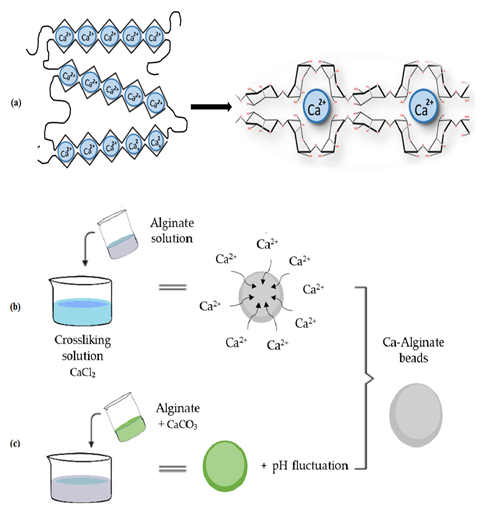
Figure 3. Schematic Representation of Ca+2 Cross-linking in Algs (a) Egg Box Model Alignment, (b) External Gelation (c) Internal Setting Techniques. Reproduced with Permission from Reig-Vano et al. [2]. Copyrights Elsevier 2021.
Ca+2 induced ionic gelation can be attained by diffusion and internal setting techniques as shown in Figure 3 (b). In diffusion methodology, Ca+2 ions are introduced into the gelling mixture from external source which diffuses inside the gel matrix for ionic gelation. In internal setting technique, Ca+2 are internally released depending upon the pH and solubility of the medium.
1.2.3. Mechanical Strength. The hydrogels, beads, and composites composed of pure Alg reflected lesser mechanical strength. This eventually limited their practical utilization in medical and other industries. Resultantly, hydrogels are designed by combination of natural and synthetic polymers [3-6]. Synthetic polymers improve strength and modify physicochemical properties in hydrogel matrices [7]. Poly (vinyl alcohol) (PVA), poly (N-vinylpyrrolidone) (PVP), poly (ethylene glycol) (PEG), poly (methyl methacrylate) (PMMA), poly (acrylamide) (PAM), and poly(urethane) (PU) are some synthetic polymers widely utilized for biomedical applications of Alg-based compounds [8-10].
1.2.4. Degradation. The powdered Alg has a shelf life of few months only. However, it can be extended up to several years by storing it in dry and cold place. Alg displayed degradation in both acidic and basic mediums. In acidic medium, it degrades by the breakdown of the glycosidic linkage. This involves three stages. Firstly, protonation of glycosidic oxygen takes place followed by the formation of oxonium-carbonium ion. In third stage, reducing end group is formed upon the addition of water. The mechanism of Alg degradation via hydrolysis (acidic media) is shown in Figure 4 (a). In basic conditions, Alg degrades by the abstraction of a proton by a base from C5 position. This process is regarded as β-elimination as displayed in Figure 4 (b).
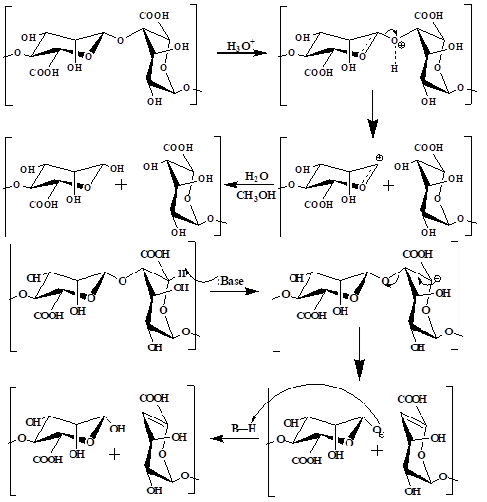
Figure 4. Degradation Mechanism of Alg (a) Acidic Solution (b) Basic Mediums
2. ALG MODIFICATIONS
Alg comprises two hydroxyl groups (C2 and C3 positions) and one carboxyl group at C6 position which are also demonstrated in Figure 1. Thus, Alg has excellent potential for chemical, biochemical, and enzymatic modifiability to tailor its solubility, biological, physicochemical, and hydrophobic properties for variety of industrial, food, and medico-biological applications. The chemical reactivity of hydroxyl and carboxylic groups in Algs is different. So, chemo-selective reactions can simply be used for preparation of its derivatives. However, both hydroxyl groups at C2 and C3 position have minor differences in their affinity for a chemical reaction. Although, the chemical modification at C2 and C3 is challenging, this requires stereo-selective reactions in order to distinguish the reactivity and modifications. In general, there are three methods for selective reactions of hydroxyl functionalities in Alg as follows: a) The use of enzyme-induced biochemical methods, b) Gelation regulated by ionic cross-linking, c) The exploration of solubility characteristics in different organic solvents.
2.1. Chemical Modifications of Alg by Hydroxyl GroupsThis section spotlights the Alg chemical modifications by tailoring its hydroxyl group using different reactions, conditions, and reagents.
2.1.1. Oxidation. Alg oxidation increases the reactivity of functional groups present in its backbone. Consequently, degradation rates are enhanced to fit its use in biomedical applications. Hydroxyl group present at C2 and C3 is oxidized by the use of NaIO4 reagent as illustrated in Figure 5. This not only breaks the C-C bond between C2 and C3 but also creates two aldehyde groups in each monomer.
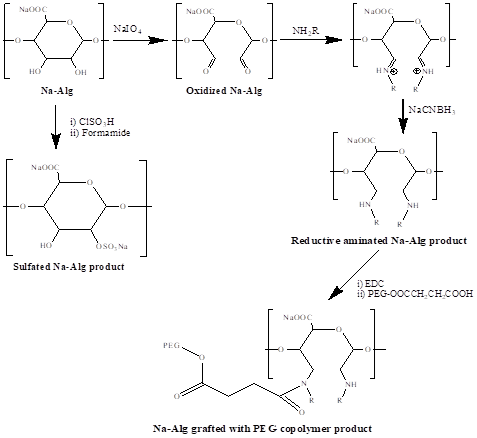
Figure 5. Na-Alg Oxidation and Sulfation Reactions along with its Post-oxidation Modifications
Additionally, the free rotation in Alg framework is prompted after bond breakage. It is important to note that Alg oxidation must be carried out in the dark otherwise side chain reactions are initiated. Gomez et al. [11] reported that when Alg is subjected to oxidation, its stiffness decreases due to the degradation among polymeric chains even in high molecular weight of Alg biopolymer. The research group also reported its complete degradation at 37 ºC in phosphate buffer saline (PBS) solution using NaIO4 in incubation period of 100 hours. This reaction may also be exploited to minimize the molecular weight of Alg and other biopolymers comprised of hydroxyl moieties.
The oxidized Alg contains aldehyde group which offers more functionalities for the synthesis of further derivatives. For instance, reductive amination of oxidized Alg is carried out by using alkylated amine as illustrated in Figure 5. Resultantly, alkylated Na-Alg exhibits amphiphilic properties useful for metal sorption and reduced surface tension [12]. Reductive amination is carried out by using reducing agents, such as NaCNBH3 or NaBH4. The use of NaCNBH3 is preferred because it quickly reduces the imine intermediate formed during the reaction at pH of 6-7. Additionally, at this pH, carbonyl compound reduction is insignificant. Ibuprofen is a non-steroidal anti-inflammatory drug which reflects low bioavailability. In some countries, lysine salt is used to improve its solubility in order to speed up its action [13]. For that reason, Li et al. [14] fabricated beads from modified Alg to improve the encapsulation of ibuprofen for control release applications. To achieve this, polymer-based surfactants were incorporated into the Alg backbone.
2.1.2. Sulfation. Sulfated polysaccharides are excellent in their anticoagulation action. For instance, heparin is a compound widely exploited for its anticoagulant characteristics. In this context, Alg sulfation not only inculcates structural resemblance with heparin but also enhances blood biocompatibility. Alg sulfation is carried out in the presence of ClSO3H in formamide solution. For this purpose, a sulfating mixture is prepared containing 20 mL and 80 mL of ClSO3H and formamide, respectively. Alg (10g) is added into the afore-mentioned sulfating mixture for 4 hours at 60 ºC. When suspension turns brown in color, 200 mL of acetone is added for precipitation. Precipitates are separated and dissolved in deionized water. Their pH is attuned in 10-11 range with the aid of NaOH solution. Subsequently, the whole content is dialyzed for 72 hours to acquire sulfated Alg which can be utilized as blood thinner and anticoagulant [15]. The entire process is presented in Figure 6. In this regard, it is noteworthy to avoid over-sulfation which causes serious side effects. The over-sulfation is a serious health concern and a challenge in Alg modifications. For instance, propylene glycol Alg sulfate raises bleeding risks, suppresses platelets aggregation, and decreases blood clotting [16]. Sulfated Alg damages bone marrow site that produces platelets. Over-sulfation also initiates allergic and inflammatory reactions. Over-sulfation can be controlled by the use of quaternary amine groups.
2.1.3. Phosphorylation. Biopolymeric materials rich in phosphate groups enhance production of hydroxyapatite in bone repair process. Therefore, phosphorylation of Alg has gained considerable attention which can be studied by two-dimensional NMR spectroscopy. When urea phosphoric acid was treated with Alg, phosphorylation occurred in both M-bock and G-block residue as shown in Figure 6. However, phosphoric acid majorly reacted with hydroxyl group present at C2, giving major product relative to the C3 in M-block residues. Phosphorylated Alg also produces good quality gels upon treatment with non-modified Alg due to physical cross-linking.
2.1.4. Acetylation. Alg acetylation is the process which is not only carried out synthetically but also occurs in nature. Acetylated Algs are manufactured by the EPS-producing bacteria. In bacteria, acetylated Algs are produced to avoid inter-conversion of M-block and G-block residues.
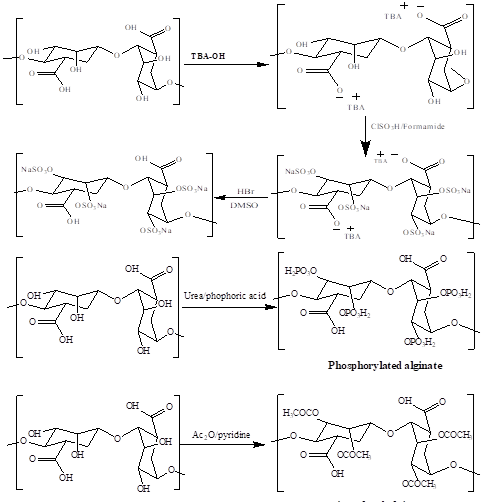
Figure 6. Alg Modification by Sulfation, Phosphorylation, and Acetylation
For acetylation, Alg must be placed in water to create spaces due to the swelling and water diffusion among polymeric chains. Otherwise, the reaction would not proceed due to tighter and stronger hydrogen bonds among Alg molecules. The degree of substitution (DS) is a key factor in acetylated Alg gels/hydrogels. The highest value of DS for any native Alg is 2. The DS value of 2 or greater than 1.4 means that all polar hydroxyl functions in Alg are acetylated or saturated. Resultantly, no free hydroxyl or carboxylic groups are available for their interactions to make gels/hydrogels. The DS value of 0.8 or less reveals that acetylated and non-acetylated polar groups are available for the development of ionic gels. In simple words, Algs with DS value greater than 1.4 do not make physical gels, while with DS value of 0.8 or less make good quality physical gels [17]. There are two ways to synthesize the acetylated Alg. In first method, Ca/Alg gel is prepared and then reacted with the mixture of acetic anhydride and pyridine at 37.5 ºC. After this reaction, Ca+2 ions are replaced with Na+ ions to dissolve the product. In second method, alginic acid is protonated and then reacted with pyridine and acetic anhydride as displayed in Figure 6. In both conditions, quantity of water directs the progress of a reaction.
2.1.5. Copolymerization and Graft Copolymerization. Copolymerization is another way to extend Alg utilization in metal uptake. This improves swelling, coal flocculation, and minimizes degradation. For instance, Sand et al. [18] grafted Alg with vinyl sulphonic acid that showed superior flocculation and resistance to degradation. Graft copolymerization has an advantage of easier addition of localized polymeric chains with high surface density [19]. Sen et al. [20] also reported different grade of Na-Alg grafts by tailoring its hydroxyl groups in a graft copolymerization reaction with acrylamide to enhance grafted efficiency and molecular weight. On the other hand, graft copolymerization of synthetic polymers in Alg backbone is an attractive way to control and tune its properties for drug encapsulation and controlled release applications. For instance, grafting of hydrophobic polymeric chains introduces steric groups which eventually decreases Alg dissolution in water. There are some reported hydrogel beads responsive for the drug release in the presence of electric field by grafting PAM in Alg. The chemical reaction is described in the Figure 7. As far as mechanism of drug release is concerned, when electro-sensitive gels are subjected to the electric field, cations migrate towards positive electrode. On the other hand, anions remain static and immovable due to their attachment to the polymeric matrix. Resultantly, osmotic pressure is enhanced which causes the gel to de-swell and eventually release the loaded compounds from gels [21].
In the same stream, pH responsive hydrogels and beads are also prepared by grafting of synthetic polymers on Alg [22]. Synthetic polymers inherited with double bond require the initiator for the reaction to proceed [23]. The reaction occurs due to the radical mechanism, however, the actual position of radical formation is unclear. Some literature reports suggest that radicals are generated by the removal of a proton from hydroxyl or C- H moieties present in Alg structure. There is also a possibility of encapsulation of iron inside hydrogel frameworks to breed magnetic response in the hydrogel systems which are explored in the treatment of tumors resistant to multiple drugs. Alg graft copolymerization is an important technique. This technique is not only useful in tailoring and tuning properties of Alg but also imparts stimuli responsive behavior in fabricated gels, polymeric composites, and hydrogel beads.
2.1.6. Cyclodextrin-modified Alg. Cyclodextrin is an important oligosaccharide made up of macrocyclic glucose rings via 1,4-glycosidic linkages. In pharmaceutics, it is used for complexion agent. Moreover, it also enhances the stability, availability, and solubility of therapeutic compounds. As Alg is also exploited in medico-biological applications therefore, it can be modified with cyclodextrin to tune its properties.
Figure 7. Grafting of Na-Alg with PAM and 6-Amino α-cyclodextrin Modified Na-Alg
The covalent association of cyclodextrin at hydroxyl group of Alg without affecting carboxylic group is a favored approach to improve inclusion ability, bead formation, and encapsulation of bacteria. However, protection of carboxylic group plays a central role in gelation and bead formation. In this method, 0.1 g of Alg was dissolved in distilled water followed by the addition of CNBr. The pH was maintained in 10-11 by using NaOH. Then, the product was filtered via ultrafiltration method and washed with deionized water for up to 2 days. Afterwards, 6-amino α-cyclodextrin was added to the above-mentioned solution and stirred for 2 days. The reaction is reflected in Figure 7. Finally, p-nitrophenol was used to confirm the successful α-cyclodextrin binding with Alg by production of spherical and stable beads [24].
Lastly, the overall comparison of Alg hydroxyl group-related modification techniques, properties imparted, challenges, and applications are briefly vetted in Table 1.
Table 1. Comparison of Common Hydroxyl Modification Techniques for Alg.
|
Alg Modification Technique |
Target Group |
Improvements |
Applications |
Challenge |
Reference |
|---|---|---|---|---|---|
|
Oxidation |
Hydroxyl |
Promotes cellular adhesion |
Sustained release systems |
Aldehyde reactions and synthetic control |
[25] |
|
Sulfation |
Hydroxyl |
Binds with growth factors |
Slow release of cationic drugs |
Blood compatibility issues and low gelation |
[26] |
|
Copolymerization |
Hydroxyl |
Enhances drug loading |
Tailored release |
Removal of excess monomers |
[27] |
|
Graft Copolymerization |
Hydroxyl |
Improved drug encapsulation |
Customized release of drugs |
Polymerization scale and optimization |
[28] |
|
Cyclodextrin Linkage |
Hydroxyl |
Enhances solubility of hydrophobic drugs |
Stimuli responsive release |
Scalability issues |
[29] |
|
Acetylation |
Hydroxyl |
Increases bio-functionality |
Cell adhesion and controlled degradation |
Immune responses and poor gel strength |
[30] |
|
Phosphorylation |
Hydroxyl |
Improves biocompatibility and mechanical strength |
Drug loading/release and tissue engineering |
Complex synthesis and toxicity |
[31] |
This section is dedicated to the most important reactions in which carboxylic groups are used to make Alg derivatives. In Figure 8, esterified, amination, and Ugi-modified Alg products are displayed.
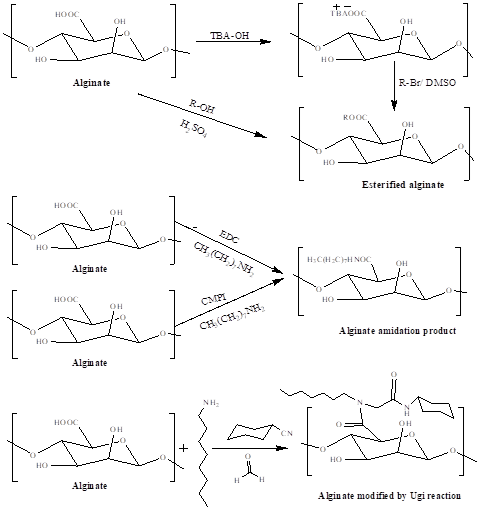
Figure 8. Synthesis of Alg Derivative by Esterification, Amination, and Ugi Reaction
2.2.1. Esterification. Esterification is a simple reaction between an alcohol and carboxylic group in the presence of a catalyst. Alg possesses carboxylic group which can be tailored for synthesis of its novel derivatives. Moreover, esterification is also useful to improve hydrophobic nature of Alg by imparting alkyl groups coming from the alcohol. In Figure 9, the scheme for Alg esterification is demonstrated.
Figure 9. Schematics of Alg Esterification. Adopted from Chen et al. [32]. Open Access Article Licensed under a Creative Commons Attribution-Non-Commercial 3.0 Unported License.
For esterification, alcohol must be used in an excessive quantity to guarantee synthesis of the desired product. Esterified Algs are important owing to their commercial and industrial utilization. For instance, Alg-based propene glycolic ester is formed by the esterification of propylene oxide (PO) which is used as thickener, gellification agent, emulsifier, and stabilizer in foods containing Ca+2 or low pH diet items [33]. Another example is the synthesis of cholesteryl Alg ester reported by Yang et al. [34] which demonstrated water solubility and amphiphilic nature as well. The reaction occurs between hydroxyl moiety of cholesterol and protonated carboxylic group present in Alg in the presence of catalyst and coupling reagents, namely 4- (N, N-dimethylamino) pyridine (DMP), and N, N-dicyclohexylcarbdimide (DCC), correspondingly. The reaction was conducted at room temperature for 24 hours for self-assembly of condensed and stable Alg-based cholesteryl ester via hydrophobic interactions. Similarly, Na-Alg was converted into butyl Alg ester upon reaction with butanol in the presence of concentrated H2SO4 as catalyst. This ester not only exhibited superior encapsulation abilities for hydrophobic and hydrophilic drugs and molecules but also retained actual properties of the Na-Alg [35]. The derivative of Na-Alg can also be synthesized by the reaction of its carboxylic group with alkyl halide. Firstly, Na-Alg is transformed into its acidic state by HCl treatment followed by washing with 70% ethyl alcohol to wipe out excessive Cl- ions. In the subsequent step, the acidified Na-Alg was dissolved in water and neutralized by TBA-hydroxide. The TBA salt was dispersed in DMSO solution. Afterwards, dodecyl bromide is added in calculated stoichiometric quantity with reaction time of 24 hours. Hence, the long chain alkyl groups were substituted into the Alg structure as ester functionality. Lastly, NaCl solution was added to replace TBA with Na+ ions. The Na-Alg derived ester was precipitated, washed, and dried at room temperature [36].
2.2.2. Amination. Alg can also be modified using coupling reagents for the synthesis of amide linkage between carboxylic functionality and amine-containing compound. In general, 1-ethyl-3,(3-dimethylaminopropyl) carbodiimide hydrochloric acid (EDAC-HCl) and 2-chloro-1-methyl pyridine iodide (CMPI) were used as coupling reagents as depicted in Figure 10.
Figure 10. Chemical Mechanism of Alg Amination in Presence of EDC-HCl. Adopted from Chhatbar et al. [37]. Open Access Article Licensed under a Creative Commons Attribution-Non-Commercial 3.0 Unported License.
A study conducted by Taubner et al. [38] stated the use of EDC-HCl reagent for Alg amination. The Alg solution was made in distilled water and its pH was maintained at 3.4 by HCl followed by the addition of EDAC-HCl. The reaction was allowed to proceed for 5 minutes and then octylamine was added. The mixture was continuously agitated for 24 hours. Lastly, the product was isolated and filtered. An amphiphilic derivative was also obtained by the amination of Alg using CMPI as a coupling agent. Furthermore, comparison of various aminated Algs is reflected in Table 2.
Table 2. A Brief Insight into Alg Derivatives. Their Colors, Weight, Size, and Loading Efficacy. Reproduced from Abulateefeh et al. [39].
|
Alg Derivative |
Size |
Color |
Weight |
Iron loading |
Drug loading |
|---|---|---|---|---|---|
|
Na-Alg |
1.7 ± 0.2 |
Black |
2.4 ± 0.1 |
236.2 ± 14.4 |
610.4 ± 37.8 |
|
Allyl-amidated Alg |
5.0 ± 1.4 |
Yellow |
6.8 ± 0.9 |
119.3 ± 22.9 |
596.4 ± 5.3 |
|
Benzyl-amidated Alg |
1.7 ± 0.3 |
Blackish |
3.3 ± 0.1 |
182.7 ± 11.9 |
684.5 ± 2.8 |
|
Pentyl amidated Alg |
4.2 ± 0.9 |
Yellow |
8.8 ± 1.0 |
141.7 ± 19.7 |
595.9 ± 63.9 |
|
Tri(hydroxymethyl) methyl amidated Alg |
1.9 ± 0.2 |
Brown |
5.2 ± 0.2 |
142.2 ± 9.7 |
605.2 ± 3.8 |
2.2.3. Ugi Reaction. In organic chemistry, Ugi reaction requires four components. These include carbonyl compound, isocyanide, carboxylic group, and an amine. This reaction is exploited by Bu et al. [40] to prepare Alg-based derivatives. The scheme for Alg-Ugi reaction is depicted in Figure 11. For this modification, uniform and homogenous Alg solution is necessary which is prepared by overnight stirring. Furthermore, the pH was adjusted at 3.6 with dilute HCl solution. In the next step, formaldehyde, amine and isocyanide were successively added in the reaction mixture which must be stirred in vigorous manner after afore-mentioned additions to achieve uniform and homogenous solution at room temperature. In the end, the mixture was dialyzed with distilled water for two days to remove impurities and left-over monomer. The final product is separated by freeze drying methodology.
Figure 11. Schematic Representation and Ugi Modification of Alg. Adopted from Tang et al. [41]. Open Access Article Licensed under a Creative Commons Attribution-Non-Commercial 3.0 Unported License.
Finally, a brief overview of Alg carboxylic group modifications, improvements, reaction type, and applications are provided in Table 3.
Table 3.A Comparative Summary of Common Carboxyl Modification Techniques for Alg.
|
Alg Modification Technique |
Target Group |
Improvements |
Applications |
Challenges |
Reference |
|---|---|---|---|---|---|
|
Esterification |
Carboxyl |
Makes amphiphilic particles |
Slowdowns drug release |
Gelation lost at high DS and harsh preparation |
[42] |
|
Amination |
Carboxyl |
For gastrointestinal l targeting |
pH responsive release |
Complex purification |
[43] |
|
UGI Reaction |
Carboxyl |
Improves loading od hydrophobic drugs |
Targeted Delivery |
Reproducibility and reduced gelation |
[44] |
3. ENVIRONMENTAL AND SUSTAINABILITY CONCERNS FOR ALG MODIFICATIONS
Environmental and sustainability concerns for Alg modifications are mainly based upon the use of cross-linkers and reagents used for the modification reactions. There are some cross-linkers, such as glutaraldehyde and epichlorohydrin which are toxic and pose severe health hazards for living systems. In addition, production of non-degradable Algs and involvement of toxic heavy metals in modification reactions are major challenges for sustainability and environmental concerns [45]. Likewise, optimization of sulfation process is imperative to retain gelling capability of Alg. Phosphorylation and sulfation also produce blood compatibility concerns. Furthermore, Alg oxidation generate highly reactive aldehyde groups on its backbone which causes cellular toxicities. Hence, preparatory control during Alg oxidation is imperative. Alg modifications via graft/copolymerization demand optimum polymeric scalability and removal of residual monomers to avoid water contamination and toxic reactions of these reagents in living systems. Therefore, research focus must be to exploit environment-friendly, biodegradable, inexpensive, and bio-based non-hazardous Alg modifications to curtail environmental and sustainability challenges.
4. APPLICATIONS OF ALGS
Algs represent brilliant cell viability, proliferation, bio-adhesion, biocompatibility, and muco-adhesion which can be exploited for variety of applications in biomedical, agricultural, environmental, and food industry. Some properties of Algs are highlighted in Figure 12. This section describes important applications of modified Algs in biomedical, food, and environmental sector.
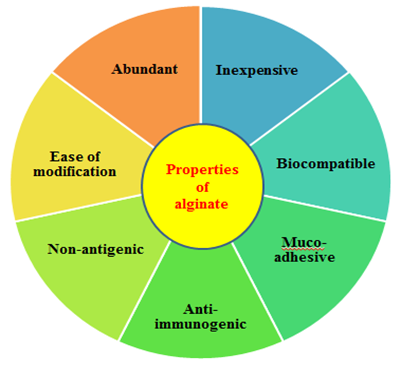
Figure 12. Some Important Properties of Algs
4.1. Drug DeliveryAlgs are widely used in drug delivery applications in combination with biopolymeric and synthetic polymeric systems. For instance, Freitas et al. [46] synthesized a sericin/Alg blend and applied as a matrix for the release of ibuprofen. It was reported that sustained release of ibuprofen was governed by Alg. Additionally, sericin improved homogeneity of the particles. Authors also concluded that sericin and PEG addition improved the loading efficacy of ibuprofen in the sericin/Alg hydrogels. Alg can be fabricated with natural as well as synthetic polymers, such as chitosan, carrageenan and PVA, PVP and PEG. In this regard, Rasool et al. [47] also formulated carrageenan/Na-Alg/PEG hybrid hydrogels by using aminopropyl (triethoxy) silane for controlled release of lidocaine. The effect of variable molecular mass of PEG and antimicrobial properties were also investigated. Drug release was carried out in PBS solution which is indicative of controlled release behavior. Rasool et al. [48] also reported biocompatible and biodegradable Na-Alg/dextrin/PVA hydrogels by varying the concentration of natural and synthetic polymers for the targeted release of ceftriaxone sodium. The hydrogel platform presented sustained and consistent release of ceftriaxone in simulated intestinal fluid and PBS solution. In addition, hydrogels also depicted excellent antimicrobial properties. A combination of PVA-grafted Ca-Alg and poly (N-vinyl caprolactam) is exploited to formulate cryogel with an effective entrapment for chymotrypsin enzyme.
A research group led by Banks et al. [49] formulated modified Alg-based pH responsive hydrogels by chemical treatment of Alg with 4-(2-aminoethly) benzoic acid. Furthermore, the modified Alg was subjected to reductive amination to tailor its regulated degradation. Hereafter, the product was used to make hydrogels for targeted delivery of therapeutic compounds. Resultantly, the fabricated hydrogels depicted excellent stability in acidic pH while it was dispersed in the neutral media rapidly. This pH responsive and degradation feature is imparted by the Alg oxidation and chemical modification which was confirmed by NMR. It was concluded that this behavior of modified Alg-based hydrogel is independent to the M and G-block ratios. Biopolymeric materials can also be explored for Alg modifications. For instance, Thomas et al. [50] used starch to modify Alg nanoparticles for targeted and sustained release of bovine serum and theophylline drugs. The release of above-mentioned compounds was carried out by fluorescent spectroscopy. Likewise, dopamine belongs to the class of catechol group which is extensively used in medical research. In a study, it was used to mend Alg to improve gelification necessary for controlled release of gatifloxacin drug. The hydrogel formulation was produced due to the interaction of aromatic groups and hydrogen bonding. Cytotoxic assay revealed their biocompatible and safe nature for drug delivery [51].
4.2. Cancer TreatmentsDespite the progress made in pharmaceutics and disease management, cancer is the leading cause of deaths globally. An international agency for research on cancer reported more than 36 kinds of cancers worldwide. Moreover, 9.6 million people have died due to this disease. Liver, prostate, stomach, rectal, and lung cancers are common in men. On the other hand, thyroid, cervix, and breast cancer are common in women. Alg-based hydrogels, beads, and microspheres safeguard the loaded anti-cancerous medicines from surroundings. Resultantly, encapsulated drug is released in a sustained manner at targeted site with higher concentration which reduces toxic effects. For instance, galctosylated Alg encapsulated with curcumin reflected higher affinity for hepatocytes. Furthermore, the galactose integration in Alg promoted the targeted and controlled release of curcumin in human liver carcinoma HepG2 cells [52]. A research group led by Boi et al. [53] effectively reduced the adverse effects of doxorubicin on normal MCF-7 cells. They modified the Alg with dextran sulphate and then prepared doxorubicin-loaded hydrogel beads in combination with poly (L-arginine hydrochloride). The hydrogel beads released the doxorubicin in slow and sustained manner. Yun and coworkers also explored graphene oxide (GO) and Na-Alg for synthesis of pH and electric field responsive methotrexate vehicle for management of solid tumors [54].
Recently, Anees et al. [55] reported poly (amididoamine), carrageenan/Na-Alg/PVA hydrogels cross-linked by mutable concentration of 3-aminopropyl (diethoxy) methyl silane. Hydrogels revealed excellent swelling. Degradation and cell viability assays against DF-1 fibroblasts cells proved their biodegradable and biocompatible nature, respectively. In 13.5 h, 81.25 and 77.23% of methotrexate was released at pH 7.4 (blood pH) and 5.3 (tumor pH) in PBS by super case II mechanism and best-fitted to zero order and Korsmeyer-Peppas model. The synthesized Alg-based dendrimeric hydrogel platform could be effective for the delivery of anti-cancerous compounds. Aycan et al. [56] also explored Alg modifications by ring opening methacrylate reaction. Afterwards, they prepared gelatin/methacrylated Alg hydrogels loaded with 5-fluorouracil for its sustained release to target gastric ulcers. Gelatin and methacrylated Alg were cross-linked by the UV radiations. 5-fluorouracil in-vitro release was investigated at pH 1.2 in gastric fluid. The swelling of hydrogel for drug release was governed by the Fickian release kinetics. This study provided an insight regarding the slow release of 5-fluorouracil from hydrogel platform which could reduce side effects in gastric cancer treatments. Sorasitthiyanukarn et al. [57] synthesized Alg/chitosan hydrogels system loaded with Curcumin Diglutaric Acid (CDA) nanoparticles for oral delivery. The fabricated hydrogel system displayed good stability in gastrointestinal environment coupled to excellent cellular uptake of CDA as compared to its direct use. The release of CDA from hydrogels followed Weibull kinetics. Authors stated that Alg/chitosan loaded with CDA nanoparticles could be a model platform which may improve its anticancer efficiency.
4.3. Management of Diabetic WoundsDiabetes and diabetic wounds are the most burning challenges in present world in which not only blood glucose level rises from optimum level but also causes variety of microbial infections and inflammations at wound site. Currently in practice, anti-diabetic treatments have several limitations related to the bioavailability, side effects, dosage, and prolonged action. Thus, Na-Alg is a promising candidate to solve these problems by efficient transport of anti-diabetic medicines. For illustration, Mor and coworkers reported Alg-modified guanidine derivative followed by coating of ZnO for bactericidal activity and precise release of curcumin. The reported platform demonstrated excellent antibacterial activity against both gram-positive and gram-negative bacteria. It was concluded that this platform could be ideal for the development of wound dressings for diabetic wounds using Na-Alg/guanidine/ZnO nanoparticles [58]. Double network hydrogels fabricated from oxidized Alg also gained importance in combination with methacrylated gelatin encapsulated with gentamicin sulfate for curing diabetic wounds. The devised hydrogel demonstrated excellent swelling, biocompatible, non-toxic, and degradable profile. In-vivo diabetic skin wound model study revealed remarkable improvement in tissue regeneration, epithelium formation, and reduced inflammation [59].
4.4. Treatment of Gastrointestinal (GI) InfectionsThere are numerous research reports for the development of oral and gastrointestinal delivery platforms by exploring bio-adhesive, biocompatible and muco-adhesive, and non-hazardous nature of Alg to make tablets. Glycoproteins in GI tract interact with Alg which increases the time period of Alg-based compounds in GI. Resultantly, the bioavailability of the loaded drug is enhanced. In the same manner, Alg beads are responsive to the pH which is tuned for targeted release in different parts of GI. For illustration, Alg beads shrink at low pH of stomach which protects the therapeutic cargos, while the same beads swell in intestine due to high pH. Thus, it releases the therapeutic payloads. For example, zeinmodified Alg complexes for targeting the release of Nomilin and Limonin in intestine. Zein-Alg complexes reflected thermal and water stability in acidic environment of the stomach, while destabilized in the basic media of intestine [60].
4.5. Tissue RegenerationConsiderable attention has been paid on the synthesis of Alg-based hydrogels. The use of Algs and its derivatives has been discussed pertinently in biomedicines. Wang et al. [61] developed the κ-Carrageenan/Alg blend hydrogels cross-linked with poly (acrylic acid). These gels were used as inner and outer coating for chemical compounds. The coated granulated compounds depicted high strength. In the same way, Alg hydrogels are reported to stimulate regeneration in brain tissues and bone recovery with improved mechanical properties and porosity level. Being a natural polymer, Alg is easily processed for fabrication of three-dimensional (3D) scaffolds in the form of beads, microspheres, sponges, micelle, microcapsules, and hydrogels for tissue engineering and bone regeneration. Physical and chemically-modified Algs with sugars, peptides, and arginyl-glycyl aspartic acid are superior in gelation, mechanical performances, cell affinities, and structural and functional flexibility. Kirdponpattara et al. [62] reported microbial celluose for making an Alg derivative. This has been further explored to make scafold cross-linked via Ca+2 ions. The scafold reflected excellent viability, excellent attachment, proliferation, and inter-connected macroorous structure for tissue engineering applications.
4.6. Skin Infection ManagementAlg hydrogels are also useful for topical delivery of drugs and wound repair. Despite of the advantages of hemo-compatible, biocompatible, and degradable nature, Alg-based dressings suffer from poor tensile strength and instabilities in moist environment. Consequently, Alg is modified by different methods to optimize its dressings for wound healing applications. For instance, Eltabeeb et al. [63] modified Ca-Alg nanocomposites with propranolol hydrochloride (PPH) cerosomes to cure (S. aureus) resistant skin infections. The effectiveness of fabricated hydrogels was confirmed by the presence of fluorescein-labeled cerosomes at infective sites. Moreover, in-vivo analysis reflected excellent recovery in mice model. Therefore, Alg/PPH cerosome could be an excellent contender for safer, reliable, and effective cure of skin wounds. In the same way, Zhu et al. [64] designed a wound dressing by allantoin-modified Na-Alg to improve stability and mechanical resilience of dressing. This study also reflected direct relationship of wound healing with allantoin concentration. Furthermore, lower toxicity, higher cell migrations, and improvement in wound repair were observed in mice model. A research led by Sikach modified Alg with octane-1-amine via carbodiimide coupling in the presence of EDC catalyst. This modification was carried out without use of organic solvent. Successively, hydrogel dressing was designed by Ca+2 cross-linking for encapsulation of an antibacterial drug, namely ethanium. Results reflected a pH sensitive sustained release of ethanium in inflamed (pH 8.2) and open wound (pH 7.2) as compared to the skin (pH 5.5) [65]. As a consequence, Alg-based dressings are a promising platform for medico-biological applications.
4.7. Bone RegenerationThe modified Alg biopolymer has gained significant attention in bone repair process due to their ability to enhance hydroxyapatite production. In a recent study, gelatin and modified-Alg coating loaded with insulin-like growth factor was fabricated on the surface of rutile and anatase phases of Ti6Al4V. As a result, porous, viable orthopedic scaffold was prepared that showed proliferation, osteo-conduction, and osteo-induction for rapid bone repair process [66]. Arslan et al. [67] tailored the tensile properties of Alg scaffold via tributyl citrate and triacetin treatments. Consequently, in-vitro analysis confirmed zero toxicity of the scaffold against osteoblast cells. They also investigated the in-vivo femur bone regeneration in rats via drill hole method. The best femur regeneration capability was recorded by the use of Alg scaffold modified with triacetin for long-term bone repair process. GO functionalized Alg/PEG phase changing hydrogels also displayed temperature resistant (up to 70 ºC), photo sensitive, anti-leakage, and stress resilient scaffold for bone repair. Moreover, the scaffold reflected remarkable mechanical properties along with mineralization. Hence, GO-Alg/PEG could be a model platform for thermally-controlled bone regeneration [68].
4.8. Agro-industryBeing a superabsorbent polymer, Alg is used to enhance seed coating and fruit yield. Moreover, it is also used as a vehicle to carry microorganisms, such as fungi and bacteria to stimulate plant growth. In addition, it improves soil quality and is a valuable material for sustained release of agro-chemicals. For instance, Zhao et al. [69] reported grafting of Alg with PAM for the release of phosphorus. It can also be tailored for the delivery of micronutrients. In the same way, Shen et al. [70] designed halloysite nanotubes (HNTs)-reinforced Na-Alg urea loaded hydrogels. The results indicated that hydrogels without HNTs presented quick urea release, that is, 60.6, 85.8, and 92.6 % in 30, 120, and 240 minutes correspondingly. In addition, HNTs-reinforced hydrogels showed relatively slower release pattern, that is, 45.6, 73, and 87.8 % after 30, 120, and 240 minutes, respectively. Moreover, k-carrageenan/Na-Alg cross-linked by poly (acrylic acid) and celite beads were used for slow release of nitrogen fertilizer up to 39, 72, and 94% after 2nd, 5th , and 25th days, correspondingly. Azeem et al. [71] exploited GO-containing biopolymeric hydrogels for improving water retention and water holding capacity. Therefore, it can be an important strategy to use GO-modified Alg not only for fertilizer release but also for tuning soil quality.
4.9. Food IndustryThe utilization of Alg in beverage and food industry is approved by the FDA. It is used as a stabilizer, thickener, emulsifier, emulsifier, phase-separations, and viscosity agent. Micelles, proteins, polysaccharides, polyphenols, and biopolymeric materials are explored for Alg-modifications.
For instance, hydrophobicity of Alg is tailored by the introduction of micelle in alginic backbone. Furthermore, it is exploited to stabilize soy oil emulsions for increment in its shelf life. Esterified Alg derivatives have gained industrial attention due to the formation of ester with PO [72]. The resultant derivative is used as thickening, gelling, stabilizing, and emulsifying agent in Ca+2-rich low pH foods. Additionally, Alg plays a critical role in the maintenance of performance, preservation, protection, and quality of food items as depicted in Figure 13.
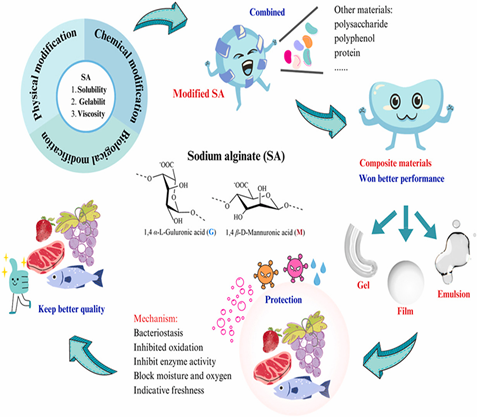
Figure 13. Na-Alg Modifications by Combination of Proteins, Polysaccharides, and Biomaterials for Applications in Food Industry. Reproduced with Kind Permission from Yan et al. [72]. Copyrights 2023, Elsevier.
4.10. Adsorption of Heavy MetalsToxicity of heavy metals in water is well-known and reported which poses significant challenges to the modern life [73]. Recently, Alg functionalization has attracted researchers for adsorptive removal of heavy metals not only from aqueous solutions but also from the real water samples. For that reason, Alg is substituted with different kinds of compounds, such as amine, thiols, urea, biurets, clays, and graphene derivatives. For instance, urea was grafted in Alg backbone which reflected up to 84% efficacy for the uptake of Pb+2, Cu+2, and Cd+2 from weakly acidic medium with optimum adsorptive capacities, that is, 4.8, 4.7, and 3.7 mmol/g, correspondingly. The reported beads reflected greater affinity for adsorption of lead in comparison to other metal ions [74]. Another novel transformation of Na-Alg was carried out by using GO cross-linked by tetraethoxysilicate. It was concluded that sodium carboxylate developed most prominent and effective linkage with metal cations with 139.62, 161.25, and 887.21 mg/g adsorption capacities for Cd+2, Zn+2, and Pb+2, respectively. Furthermore, the reported sorbent is reusable with good captivation of metal in multi-metallic heavy metal system [75]. Likewise, Zhang et al. [76] substituted amine, amide, and thiol groups in the Alg followed by fabrication of microspheres by combination of substituted Alg/GO. The reported microsphere reflected excellent reusability, regeneration, and rapid uptake of Pb+2 and Cu+2 with adsorption capacity more than 90%.
5. CHALLENGES AND FUTURE PROSPECTS
Although numerous studies are reported for chemical modification of Alg by hydroxyl and carboxylic functionalities to acquire and impart desired features in it. To date, propylene glycol Alg is the only derivative exploited in industry at commercial level. The other Alg derivatives face serious barriers related to the scalable and complex synthetic procedures, highly expensive production, reproducibility concerns, and fluctuating rate of degradations. Moreover, during modifications, Alg’s gelation, mechanical strength, and cell adhesion capabilities are compromised. In order to utilize other modified Alg in drug delivery and industry at commercial scale, vigilant selection of inexpensive modification method along with synthetic control is imperative.
In medico-biological sector, inferior mechanical strength, excessive water swelling aptitude, poor drug/loading release, and rapid degradation are some existing challenges. In this regard, attention must be paid to explore the knowledge of click chemistry in order to develop 3D Alg-based scaffolds and drug loaded smart carriers. For this purpose, introduction of appropriate functional groups that improve physicochemical/mechanical stability, antibacterial activity, and cytocompatibility would be highly demanded in future medicine, tissue engineering, drug delivery, and wound dressings. There is a dire need to explore cyto-binding, modulation, degradation, and cellular attachments in modified Alg-based hydrogels. The future success of Alg-derived systems is mainly dependent on its click reactions to optimize preparatory methods, implementation of green fabrication process, regulating degradation, and boosting cytocompatibility. The future role and impact of functionalized and modified Alg-based systems would be remarkable with new treatment options in upcoming research.
6. CONCLUSION
Alg is a versatile hydrophilic biopolymer which possesses exceptional biological, chemical, and physicochemical properties. It is biodegradable, biocompatible, abundant, eco-friendly, bioactive, muco-adhesive, non-immunogenic, anti-angiogenic, and low-cost polysaccharide. These characteristics enable its use in numerous biomedical, agronomic, environmental, industrial, and research industries. Despite of the innumerable advantages, it is susceptible to degradation, poor mechanical strength, de-polymerization, dimensional instability, and low pH precipitation. Fortunately, it is inherited with one carboxylic and two hydroxyl groups that undergo different chemical reactions to alleviate above-mentioned limitations. For Alg reactions at hydroxyl group, carboxylic moiety is protected by using TBA or Ca+2. Alg oxidation breeds further reactive groups in its backbone that are exploited to prepare novel derivatives, phosphorylation, and sulfation of Alg-stimulate bone regeneration and anti-coagulant features, respectively. Grafting is an important technique not only for tailoring hydrophobicity and improving cell affinity but also for the introduction of desired pH, temperature, and magnetic responsiveness in Alg-derived hydrogels, micelle, and microsphere. In conclusion, modified Alg is an excellent biomaterial for medico-biological applications. In drug delivery, it improves bioavailability of drugs and minimizes adversaries of therapeutic compounds in living systems. Its derivatives are frequently reported for wound healing by promoting epithelial formation, antimicrobial action, and reducing wound inflammation. Functionalized Alg interacts with glycoproteins in GI which enhances retention of Alg-based compounds. Therefore, it enables pH-sensitive targeted release of drugs. Alg-based materials are valuable in liver and colorectal cancer management, bone regeneration by hydroxyapatite production, and curing resistant bacterial skin infections. Alg-based drug loaded antimicrobial wound dressings are also branded in markets to cure chronic wounds. Lastly, extensive and purposeful investigations are imperative to use this polymer practically in agro-industry, fertilizer release, food engineering, and solving environmental issues.
CONFLICT OF INTEREST
The authors of the manuscript have no financial or non-financial conflict of interest in the subject matter or materials discussed in this manuscript.
DATA AVALIABILITY STATEMENT
Not applicable.
FUNDING DETAILS
No funding was received for this research.
REFERENCES
- Rasool A, Islam A, Fayyaz S. Hydrogels and their emerging applications. In: Kumar A, Gupta R, eds. Hydrogels: Fundamentals to Advanced Energy Applications. CRC Press; 2023:103-126.
- Reig-Vano B, Tylkowski B, Montané X, Giamberini M. Alginate-based hydrogels for cancer therapy and research. Int J Biol Macromol. 2021;170:424-436. https://doi.org/10.1016/j.ijbiomac.2020.12.161
- Ata S, Rasool A, Islam A, Bibi I, Iqbal M. Loading of cefixime to pH sensitive chitosan based hydrogel and investigation of controlled release kinetics. Int J Biol Macromol. 2020;155:1236-1244. https://doi.org/10.1016/j.ijbiomac.2019.11.091
- Qureshi MAUR, Arshad N, Rasool A, Rizwan M, Fawy KF, Rasheed T. pH-responsive chitosan dendrimer hydrogels enabling controlled cefixime release. Eur Polym J. 2024;219:e113377. https://doi.org/10.1016/j.eurpolymj.2024.113377
- Arshad N, Chaudhary AA, Saleem S, Akram M, Qureshi MAUR. Surface modification of surgical suture by chitosan-based biocompatible hybrid coatings: in-vitro anti-corrosion, antibacterial, and in-vivo wound healing studies. Int J Biol Macromol. 2024;281:e136571. https://doi.org/10.1016/j.ijbiomac.2024.136571
- Azeem MK, Islam A, Rizwan M, Gul N, RU Khan, Raseed T. Sustainable and environment friendlier carrageenan-based pH-responsive hydrogels: Swelling behavior and controlled release of fertilizers. Colloid Polym Sci. 2023;301(3):209-219. https://doi.org/10.1007/s00396-023-05054-9
- Naz M, Jabeen S, Gull N, et al. Novel silane crosslinked chitosan based electrospun nanofiber for controlled release of benzocaine. Front Mater. 2022;9:e826251. https://doi.org/10.3389/fmats.2022.826251
- Azeem MK, Rizwan M, Islam A, et al. In-house fabrication of macro-porous biopolymeric hydrogel and its deployment for adsorptive remediation of lead and cadmium from water matrices. Environ Res. 2022;214:e113790. https://doi.org/10.1016/j.envres.2022.113790
- Rasool A, Ata S, Islam A, Khan RU. Fabrication of novel carrageenan based stimuli responsive injectable hydrogels for controlled release of cephradine. RSC Adv. 2019;9(22):12282-12290. https://doi.org/10.1039/C9RA02130B
- Naz M, Rizwan M, Jabeen S, et al. Cephradine drug release using electrospun chitosan nanofibers incorporated with halloysite nanoclay. Z Physe Chem. 2022;236(2):227-238. https://doi.org/10.1515/zpch-2021-3072
- Gomez CG, Rinaudo M, Villar MA. Oxidation of sodium alginate and characterization of the oxidized derivatives. Carbohydr Polym. 2007;67(3):296-304. https://doi.org/10.1016/j.carbpol.2006.05.025
- Kang H-A, Shin MS, Yang J-W. Preparation and characterization of hydrophobically modified alginate. Polym Bull. 2002;47(5):429-435. https://doi.org/10.1007/s002890200005
- Rizwan M, Selvanathan V, Rasool A, Iqbal DN, Kanwal Q, Shafqat SS, Bilal M. Metal–organic framework-based composites for the detection and monitoring of pharmaceutical compounds in biological and environmental matrices. Water Air Soil Pollut. 2022;233(12):e493. https://doi.org/10.1007/s11270-022-05904-2
- Li Z, Ni C, Xiong C, Li Q. Preparation and drug release of hydrophobically modified alginate. Chem. 2009;1:93-96.
- Alban S, Schauerte A, Franz G. Anticoagulant sulfated polysaccharides: part I. Synthesis and structure–activity relationships of new pullulan sulfates. Carbohydr Polym. 2002;47(3):267-276. https://doi.org/10.1016/S0144-8617(01)00178-3
- Xue Y-T, Li S, Liu W-J, Xin M, Li HH, Yu GL. The mechanisms of sulfated polysaccharide drug of propylene glycol alginate sodium sulfate (PSS) on bleeding side effect. Carbohydr Polym. 2018;194:365-374. https://doi.org/10.1016/j.carbpol.2018.04.048
- Pawar SN. Chemical modification of alginate. In: Venkatesan J, Anil S, Kim S-K, eds. Seaweed polysaccharides: isolation, Biological and Biomedical Applications. Elsevier; 2017:111-155.
- Sand A, Yadav M, Behari K. Synthesis and characterization of alginate‐g‐vinyl sulfonic acid with a potassium peroxydiphosphate/thiourea system. J App Polym Sci. 2010;118(6):3685-3694. https://doi.org/10.1002/app.32447
- Rasool A, Hafeez S, Islam A, et al. Polymer nanocomposite films and coatings for biomedical applications. In: Pandey M, Deshmukh K, Hussain CM, eds. Polym Nanocompos Films and Coatings: Processes, Fundamental Properties and Applications. Elsevier; 2024:729-758.
- Sen G, Singh RP, Pal S. Microwave‐initiated synthesis of polyacrylamide grafted sodium alginate: synthesis and characterization. J App Polym Sci. 2010;115(1):63-71. https://doi.org/10.1002/app.30596
- Arshad N, Rasool A. Graphene oxide reinforced biopolymeric (chitosan) hydrogels for controlled cephradine release. Int J Biol Macromol. 2023;242:e124948. https://doi.org/10.1016/j.ijbiomac.2023.124948
- Azeem MK, Islam A, Khan RU, Sher F, Rasheed T. Eco‐friendly three‐dimensional hydrogels for sustainable agricultural applications: current and future scenarios. Polym Adv Technol. 2023;34(9):3046-3062. https://doi.org/10.1002/pat.6122
- Rasool A, Ata S, Islam A. Stimuli responsive biopolymer (chitosan) based blend hydrogels for wound healing application. Carbohydr Polym. 2019;203:423-429. https://doi.org/10.1016/j.carbpol.2018.09.083
- Pluemsab W, Sakairi N, Furuike T. Synthesis and inclusion property of α-cyclodextrin-linked alginate. Polym. 2005;46(23):9778-9783. https://doi.org/10.1016/j.polymer.2005.08.005
- Huamani-Palomino RG, Córdova BM, Pichilingue LER, Venâncio T, Valderrama AC. Functionalization of an alginate-based material by oxidation and reductive amination. Polym. 2021;13(2):e255. https://doi.org/10.3390/polym13020255
- Yao Z-a, Xu L, Wang B-x, Ye T-t, Li Y-f, Wu H-g. Optimization of preparation conditions, molecular structure analysis and antitumor activity of sulfated sodium alginate oligosaccharides. Eur Polym J. 2023;201:e112571. https://doi.org/10.1016/j.eurpolymj.2023.112571
- Li Q-Q, Xu D, Dong Q-W, Song X-J, Chen Y-B, Cui Y-L. Biomedical potentials of alginate via physical, chemical, and biological modifications. Int J Biol Macromol. 2024;277:e134409. https://doi.org/10.1016/j.ijbiomac.2024.134409
- Azad AK, Sulaiman WMAW, Almoustafa H, Dayoob M, Kumarasamy V, Subramaniyan V. A dataset of microstructure features of electro-hydrodynamic assisted 5-fluorouracil-grafted alginate microbeads and physicochemical properties for effective colon targeted carriers drug delivery. Data Brief. 2024;53:e110202. https://doi.org/10.1016/j.dib.2024.110202
- Sadeghi M, Habibi Y, Bohlool T, Mohamadnia Z, Nikfarjam N, Norouzi M. Fabrication of a self-healing hydrogel with antibacterial activity using host-guest interactions between dopamine-modified alginate and β-cyclodextrin dimer. Int J Biol Macromol. 2024;273:e132827. https://doi.org/10.1016/j.ijbiomac.2024.132827
- Román-Guerrero A, Cortés-Camargo S, Alpizar-Reyes E. Chemically modified alginate-based hydrogel-matrices in drug delivery. Macromol. 2025;5(3):e36. https://doi.org/10.3390/macromol5030036
- Zhang H, Zhou L, Shehzad H, et al. Innovative free radical induced synthesis of WO3-doped diethyl Malonate grafted chitosan encapsulated with phosphorylated alginate matrix for UO22+ adsorption: parameters optimisation through response surface methodology. Sep Purif Technol. 2025;353:e128455. https://doi.org/10.1016/j.seppur.2024.128455
- Chen X, Zhu Q, Liu C, Li D, Yan H, Lin Q. Esterification of alginate with alkyl bromides of different carbon chain lengths via the bimolecular nucleophilic substitution reaction: synthesis, characterization, and controlled release performance. Polym. 2021;13(19):e3351. https://doi.org/10.3390/polym13193351
- Zongrui T, Yu C, Wei L. Grafting derivate from alginate. In: Thakur VK, ed. Biopolym Graftin: Synthesis and Properties. Elsevier; 2018:115-173.
- Yang L, Zhang B, Wen L, Liang Q, Zhang L-M. Amphiphilic cholesteryl grafted sodium alginate derivative: synthesis and self-assembly in aqueous solution. Carbohydr Polym. 2007;68(2):218-225. https://doi.org/10.1016/j.carbpol.2006.12.020
- Broderick E, Lyons H, Pembroke T, Byrne H, Murray B, Hall M. The characterisation of a novel, covalently modified, amphiphilic alginate derivative, which retains gelling and non-toxic properties. J Colloid Interface Sci. 2006;298(1):154-161. https://doi.org/10.1016/j.jcis.2005.12.026
- Pawar SN, Edgar KJ. Alginate esters via chemoselective carboxyl group modification. Carbohydr Polym. 2013;98(2):1288-1296. https://doi.org/10.1016/j.carbpol.2013.08.014
- Chhatbar MU, Prasad K, Chejara DR, Siddhanta A. Synthesis of sodium alginate based sprayable new soft gel system. Soft Matt. 2012;8(6):1837-1844. https://doi.org/10.1039/C2SM06947D
- Taubner T, Marounek M, Synytsya A. Preparation and characterization of amidated derivatives of alginic acid. Int J Biol Macromol. 2017;103:202-207. https://doi.org/10.1016/j.ijbiomac.2017.05.070
- Abulateefeh SR, Khanfar MA, Al Bakain RZ, Taha MO. Synthesis and characterization of new derivatives of alginic acid and evaluation of their iron (III)-crosslinked beads as potential controlled release matrices. Pharm Dev Technol. 2014;19(7):856-867. https://doi.org/10.3109/10837450.2013.836222
- Bu H, Kjøniksen A-L, Elgsaeter A, Nyström B. Interaction of unmodified and hydrophobically modified alginate with sodium dodecyl sulfate in dilute aqueous solution: Calorimetric, rheological, and turbidity studies. C Colloids and Surf: Physicochem Eng Asp. 2006;278(1-3):166-174. https://doi.org/10.1016/j.colsurfa.2005.12.016
- Tang Y, Chen K, Li J, Feng Y, Yu G, Wang L. Electrolyte and pH-sensitive amphiphilic alginate: synthesis, self-assembly and controlled release of acetamiprid. RSC Adv. 2018;8(56):32193-32199. https://doi.org/10.1039/C8RA05503C
- Chen S, Li C, Teng Y, Wei H, Lu C, Yang H. Photothermal and antimicrobial properties of catechol-chitosan silver nanoparticles/esterified sodium alginate composite hydrogels. J Biomater Sci Polym Ed. 2025:1-20. https://doi.org/10.1080/09205063.2025.2526292
- Qiu L, Shen R, Wei L, et al. Designing a microbial fermentation-functionalized alginate microsphere for targeted release of 5-ASA using nano dietary fiber carrier for inflammatory bowel disease treatment. J Nanobiotechnol. 2023;21(1):e344. https://doi.org/10.1186/s12951-023-02097-6
- Bu Y, Chen X, Wu T, Zhang R, Yan H, Lin Q. Synthesis, optimization and molecular self-assembly behavior of alginate-g-oleylamine derivatives based on ugi reaction for hydrophobic drug delivery. Int J Mol Sci. 2024;25(15):e8551. https://doi.org/10.3390/ijms25158551
- Shahroz M, Arshad N. Investigating synergistic effects of biomass-derived carbon coatings on TiO2 for anode candidacy in electrochemical OER and supercapacitor performance enhancement. Int J Hydrogen Energy. 2025;137:214-224. https://doi.org/10.1016/j.ijhydene.2025.05.117
- Freitas ED, Vidart JM, Silva EA, da Silva MG, Vieira MG. Development of mucoadhesive sericin/alginate particles loaded with ibuprofen for sustained drug delivery. Particuol. 2018;41:65-73. https://doi.org/10.1016/j.partic.2017.12.011
- Rasool A, Ata S, Islam A, Mehmood A, Khan RU, Mahmood HA. Kinetics and controlled release of lidocaine from novel carrageenan and alginate-based blend hydrogels. Int J Biol Macromol. 2020;147:67-78. https://doi.org/10.1016/j.ijbiomac.2020.01.073
- Rasool A, Rizwan M, Rasheed T, Bilal M. Thermo-responsive functionalized polymeric nanocomposites. In: Ali N, Bilal M, Khan A, Nguyen TA, Gupta RK, eds. Smart Polym Nanocompos: Design, Synthesis, Functionalization, Properties, and Applications. Elsevier; 2023:219-240.
- Banks SR, Enck K, Wright M, Opara EC, Welker ME. Chemical modification of alginate for controlled oral drug delivery. J Agricult Food Chem. 2019;67(37):10481-10488. https://doi.org/10.1021/acs.jafc.9b01911
- Thomas D, Mathew N, Nath MS. Starch modified alginate nanoparticles for drug delivery application. Int J Biol Macromol. 2021;173:277-284. https://doi.org/10.1016/j.ijbiomac.2020.12.227
- Gao B, Chen L, Zhao Y, et al. Methods to prepare dopamine/polydopamine modified alginate hydrogels and their special improved properties for drug delivery. Eur Polym J. 2019;110:192-201. https://doi.org/10.1016/j.eurpolymj.2018.11.025
- Liu W, Zhai Y, Heng X, et al. Oral bioavailability of curcumin: problems and advancements. J Drug Target. 2016;24(8):694-702. https://doi.org/10.3109/1061186X.2016.1157883
- Boi S, Rouatbi N, Dellacasa E, Di Lisa D, Bianchini P, Monticelli O. Alginate microbeads with internal microvoids for the sustained release of drugs. Int J Biol Macromol. 2020;156:454-461. https://doi.org/10.1016/j.ijbiomac.2020.04.083
- Yun Y, Wu H, Gao J, et al. Facile synthesis of Ca2+-crosslinked sodium alginate/graphene oxide hybrids as electro-and pH-responsive drug carrier. Mater Sci Eng: C. 2020;108:e110380. https://doi.org/10.1016/j.msec.2019.110380
- Qureshi MAUR, Arshad N, Rasool A, Janjua NK, Butt MS, Ismail H. Kappa-carrageenan and sodium alginate-based pH-responsive hydrogels for controlled release of methotrexate. R Soc Open Sci. 2024:e231952. https://doi.org/10.1098/rsos.231952
- Aycan D, Gül İ, Yorulmaz V, Alemdar N. Gelatin microsphere-alginate hydrogel combined system for sustained and gastric targeted delivery of 5-fluorouracil. Int J Biol Macromol. 2024;255:e128022. https://doi.org/10.1016/j.ijbiomac.2023.128022
- Sorasitthiyanukarn FN, Muangnoi C, Bhuket PRN, Rojsitthisak P, Rojsitthisak P. Chitosan/alginate nanoparticles as a promising approach for oral delivery of curcumin diglutaric acid for cancer treatment. Mater Sci Eng: C. 2018;93:178-190. https://doi.org/10.1016/j.msec.2018.07.069
- Mor N, Raghav N. In-vitro simulation of modified-alginate ester as sustained release delivery system for curcumin. J Mol Str. 2023;1283:e135307. https://doi.org/10.1016/j.molstruc.2023.135307
- Cao B, Wang C, Guo P, et al. Photo-crosslinked enhanced double-network hydrogels based on modified gelatin and oxidized sodium alginate for diabetic wound healing. Int J Biol Macromol. 2023;245:e125528. https://doi.org/10.1016/j.ijbiomac.2023.125528
- Bautista GFM, Vidallon MLP, Salamanez KC, Rodriguez EB. Nanodelivery system based on zein-alginate complexes enhances in vitro chemopreventive activity and bioavailability of pomelo seed limonoids. J Drug Deliv Sci Technol. 2019;54:e101296. https://doi.org/10.1016/j.jddst.2019.101296
- Wang Y, Liu M, Ni B, Xie L. κ-Carrageenan–sodium alginate beads and superabsorbent coated nitrogen fertilizer with slow-release, water-retention, and anticompaction properties. Indust Eng Chem Res. 2012;51(3):1413-1422. https://doi.org/10.1021/ie2020526
- Kirdponpattara S, Khamkeaw A, Sanchavanakit N, Pavasant P, Phisalaphong M. Structural modification and characterization of bacterial cellulose–alginate composite scaffolds for tissue engineering. Carbohydr Polym. 2015;132:146-155. https://doi.org/10.1016/j.carbpol.2015.06.059
- Eltabeeb MA, Hamed RR, El-Nabarawi MA, et al. Nanocomposite alginate hydrogel loaded with propranolol hydrochloride kolliphor® based cerosomes as a repurposed platform for methicillin-resistant Staphylococcus aureus-(MRSA)-induced skin infection; in-vitro, ex-vivo, in-silico, and in-vivo evaluation. Drug Deliv Transl Res. 15, 556–576. https://doi.org/10.1007/s13346-024-01611-z
- Zhu H, Tong AH, Fu Y, Chen Z, Jin Z, Guo S. Optimizing alginate dressings with allantoin and chemical modifiers to promote wound healing. Int J Biol Macromol. 2024;275:e133524. https://doi.org/10.1016/j.ijbiomac.2024.133524
- Sikach A, Konovalova V, Kolesnyk I. Hydrogel films based on sodium alginate modified with octane-1-amine: enhanced pore formation and potential applications in drug delivery systems. Chem Phys Technol Surf. 2024;15(1):43-56
- Mofazali P, Atapour M, Nakamura M, Sheikholeslam M, Galati M, Saboori A. Surface modification of additive manufactured Ti6Al4V scaffolds with gelatin/alginate- IGF-1 carrier: an effective approach for healing bone defects. Int J Biol Macromol. 2024;265:e131125. https://doi.org/10.1016/j.ijbiomac.2024.131125
- Arslan AK, Aydoğdu A, Tolunay T, Basat Ç, Bircan R, Demirbilek M. The effect of alginate scaffolds on bone healing in defects formed with drilling model in rat femur diaphysis. J Biomed Mater Res B: App Biomater. 2023;111(6):1299-1308. https://doi.org/10.1002/jbm.b.35233
- Zhang Q, Li J, Qu Q, Pan S, Yu K, Liu Y. Graphene oxide modified sodium alginate/polyethylene glycol phase change material hydrogel scaffold composite with photothermal temperature control for potential bone tissue regeneration. J Mater Res Technol. 2024;30:2446-2457. https://doi.org/10.1016/j.jmrt.2024.04.009
- Zhao W, Bai B, Hong Z, Zhang X, Zhou B. Berbamine (BBM), a natural STAT3 inhibitor, synergistically enhances the antigrowth and proapoptotic effects of sorafenib on hepatocellular carcinoma cells. ACS Omega. 2020;5(38):24838-24847. https://doi.org/10.1021/acsomega.0c03527
- Shen Y, Wang H, Li W, et al. Synthesis and characterization of double-network hydrogels based on sodium alginate and halloysite for slow release fertilizers. Int J Biol Macromol. 2020;164:557-565. https://doi.org/10.1016/j.ijbiomac.2020.07.154
- Azeem MK, Islam A, Khan RU, Shuib RK, Rehman A, Sadiqa A. Guar gum/poly ethylene glycol/graphene oxide environmentally friendly hybrid hydrogels for controlled release of boron micronutrient. R Soc Open Sci. 2023;10(12):e231157. https://doi.org/10.1098/rsos.231157
- Yan P, Lan W, Xie J. Modification on sodium alginate for food preservation: a review. Trends Food Sci Technol. 2024;143:e104217. https://doi.org/10.1016/j.tifs.2023.104217
- Farooq U, Athar M, Salman M, Rehmat N. Biosorptive removal of Pb (II) and Cd (II) ions from aqueous solution by dried biomass from Ficus religiosa. Desal Water Treat. 2017;82:201-209. https://doi.org/10.5004/dwt.2017.21008
- Benettayeb A, Guibal E, Morsli A, Kessas R. Chemical modification of alginate for enhanced sorption of Cd (II), Cu (II) and Pb (II). Chem Eng J. 2017;316:704-714. https://doi.org/10.1016/j.cej.2017.01.131
- Abd-Elhamid A, Elgoud EA, Aly H. Alginate modified graphene oxide for rapid and effective sorption of some heavy metal ions from an aqueous solution. Cellulose. 2022;29(11):6231-6245. https://doi.org/10.1007/s10570-022-04656-w
- Zhang H, Han X, Liu J, et al. Fabrication of modified alginate-based biocomposite hydrogel microspheres for efficient removal of heavy metal ions from water. Colloids and Surf: Physicochem Eng Asp. 2022;651:e129736. https://doi.org/10.1016/j.colsurfa.2022.129736