

| Review | Open Access |
|---|
AI-Driven Digital Twins: Redefining Agricultural Science in the Era of Intelligent Systems |
 |
|---|
 Madieha Ambreen1* ,
Muhammad Talha Hassan2 , and
Maryam Khalid1
Madieha Ambreen1* ,
Muhammad Talha Hassan2 , and
Maryam Khalid1
1Minhaj University, Lahore, Pakistan
2Superior University, Lahore, Pakistan
One of the most promising and modern technologies that has the potential to enhance agricultural productivity, sustainability, and management is the digital twin technology. A digital twin is the digital representation of a physical system that holds real-time data from sensors and monitoring devices to constantly update itself. A digital twin can be utilized by the farmers to evaluate agricultural procedure, crop conditions, and determine potential outcome Prior to making decisions about field-based management. This research determines the application of the digital twin technology in agriculture, emphasizing how it integrates data analytics, remote sensing technologies, artificial intelligence (AI), and the Internet of Things (IoT). IoT sensors collect environmental and crop data in real time and send it over communication networks to digital processors that create virtual models. Machine learning (ML) system make it possible to analyze data for crop monitoring, disease detection, irrigation control, and predictive modeling. Drones and remote sensing technologies provide geographic data that enhances the precision of digital twin models and assist how digital twins might improve sustainable farming methods, precision farming and optimize resources. It also reduces the difficulties of adopting digital twin systems in agriculture, including data integration, infrastructure requirements and system complexity. Overall, digital twin technology provides the basis for data-driven decision-making, with the potential to change traditional farming into an intelligent and sustainable agricultural system. The current research aims to critically evaluate the revolutize potential of AI-driven digital twin technology in agriculture, exploring how intelligent systems revolutionize crop and animal management and analyze the socio-technical factors influencing equitable adoption.
Highlights
- The development and deployment of AI-driven digital twins as virtual replicas of agricultural systems, enabling real-time monitoring, prediction, and decision-making.
- How intelligent systems facilitate precision agriculture, enhance resource efficiency, and improve crop productivity and sustainability.
- The broader implications of AI-driven modeling for scientific research, highlighting the transformative potential of AI not only in agriculture but also in interdisciplinary applications where data-driven insights remain critical.
1. INTRODUCTION
The concept of the digital twin was proposed previously by Professor Grieves at the University of Michigan. It was aimed to build a simulated model of the physical object through the digital method of simulating and representing the state of the physical object in the physical world [1]. The traditional simulation models tend to be stateful, disconnected, and unidirectional: they receive the input parameters, execute cases, and provide output values, with no additional communication with the physical system [2]. This notion gives the fundamentals of the concept of digital twin, which is based on a combination of modeling, simulation, and real-time data for more enhanced decision-making in complex aerospace systems [3]. The idea has subsequently spread to other fields such as manufacturing [4], health care [5], city planning [6], and agriculture [7], for the sake of optimization, predictive maintenance, and information-driven decision making.
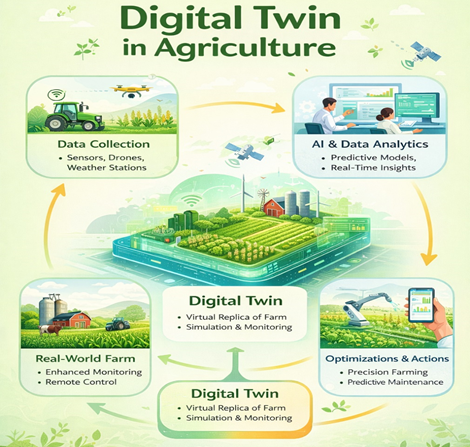
1.1. Digital Twin Concept in AgricultureDigital twin is the digital reflection of a real agricultural system (farm, crop field, greenhouse or livestock unit). It also actively takes real-time information of the physical system and mimics the system behavior to assist the process of predicting, monitoring and decision-making (Figure 1).
Figure 1. Digital Twin Conceptualization in Agriculture (AI-generated Infographic)
The integration of cutting-edge technologies including artificial intelligence (AI), cloud computing, big data analytics, and the Internet of Things (IoT) drives a rapid digital transformation in agriculture. Digital twin (DT) technology, which has garnered a lot of attention lately, is one of these cutting-edge techniques used to monitor, model, and optimize agricultural systems.
A study [8] claims that digital twin technology improves decision-making and operational effectiveness by enabling real-time synchronization between digital models and physical systems. By integrating sensing devices, computer models, and data analytics, digital twins provide a coordinated link between the digital illustration of the agricultural environment and the physical one. Precision agriculture benefits from these cyber-physical systems considering that they enable informed decisions on irrigation, fertilizing, monitoring crop development, and disease detection [9].
1.2. IoT Sensors and Data CollectionIoT sensors placed into agricultural areas are crucial for gathering real-time data on crops and the environment including temperature, humidity, soil moisture, fertilizer levels, crop growth status, and equipment These sensors track a variety of attributes, including weather and operation.The gathered information serves as the basis for digital twin models and enables precise representation of real agricultural surroundings. Monitoring and data gathering for precision agriculture systems have significantly improved because of the integration of sensor networks with digital platforms [10].
1.3. Data Transmission and ConnectivityIoT networks, cloud platforms, edge computing systems, and other wireless communication technologies are used to transfer the data gathered by IoT sensors. Communication infrastructures enables such as Continuous data flow, remote monitoring, and the integration of multiple agricultural data sources. Effective networks enable the predictive modeling and real-time monitoring of farm activities while keeping the real agricultural system and the digital twin platform in balance [10].
1.4. Digital Twin Virtual ModelIn a dynamic digital environment, the digital twin virtual model shows crops, soil conditions, agricultural equipment, and environmental features. Farmers can make wise decisions without affecting actual farming operations by assessing various management options in the digital environment [9].
1.5. Artificial Intelligence and Data AnalyticsThese algorithms can be applied to yield results, crop development trends, anomalies, and early detection of pest or disease outbreaks. AI-driven analytics also enhance crop management techniques, fertilizer application, and irrigation schedules, increasing agricultural sustainability and productivity [11].
1.6. Drones and Remote SensingDrones and satellite photos are examples of remote sensing technologies that enhance digital twin systems by providing spatially precise crop condition data. Integrating remote sensing data with digital twin systems has two advantages namely it improves geographic accuracy and enables extensive agricultural monitoring [12].
1.7. Farm Equipment and AutomationModern agricultural tools include tractors, irrigation systems, and harvesting machinery that are compatible with digital twin platforms. Precision farming techniques are made easier by this interface, which also provides field operation automation and real-time machinery performance monitoring. Consequently, the requirements for labor and production costs decrease while operational efficiency increases [12].
1.8. Feedback and Control SystemsThe concept of digital twin may provide the farm with information that it can use to automate tasks such as scheduling irrigation, controlling pests, and managing fertilizer. Adaptive farm management is made possible by this ongoing interaction, which also boosts overall agricultural efficiency [11].
1.9. Decision Support and Smart FarmingThese technologies assist farmers in using sustainable farming techniques, optimizing resource utilization, and lowering risks related to climate unpredictability. Given the growing demand on the world agriculture sector to supply food demands while decreasing impacts on the environment, digital twin technology offers a workable way to create agricultural systems that are reliable and sustainable [8].
1.10. Importance of Digitalization in Modern AgricultureDigital twin technology generates graphical representations of agricultural farms using a variety of digital tools, such as geographic information systems (GIS), computer-aided design (CAD) and sensor-based monitoring systems. The use of predictive modeling and data-driven decision-making in precision agriculture systems has increased due to the rapid development of inexpensive sensors and cloud computing technologies [9].
Digital twin technology represents a major advancement in digital agriculture. Digital twins provide a comprehensive platform to improve resource efficiency, agricultural productivity, and environmental sustainability by combining remote sensing technologies, artificial intelligence, sensors, and predictive modeling techniques.
For instance, irrigation management using digital twins can prevent a waste of 10–15% of fertilizer by combining data with weather forecasts and crop growth models, at the expense of decreased production and adverse environmental effects. Further it can save up to 25% of water for tomato crops by combining the data of soil moisture collected by sensors with derived information [13, 14]. Secondly, targeted pest management or adjustable-rate sowing are examples of particular, fact-based actions.
1.11. Architecture of Digital Twin Systems in AgricultureSystems that can carry out cognitive tasks—most notably, sensory perception and deliberate decision-making—that often call for human involvement are collectively referred to as artificial intelligence or AI. These technologies allow for the real-time optimization of production processes in agricultural settings, including standard cultivation, harvesting, and post-harvest marketing [14]. Deep learning (DL) and machine learning (ML) algorithms, which today support applications ranging from weed identification and yield estimation to the early identification of plant diseases, have played a major role in the recent growth of intelligent agricultural systems. Figure 2 depicts the various stages of the Digital Twin Systems Architecture in Agriculture.
The discussion of these systems is given in the two sub-sections that follow.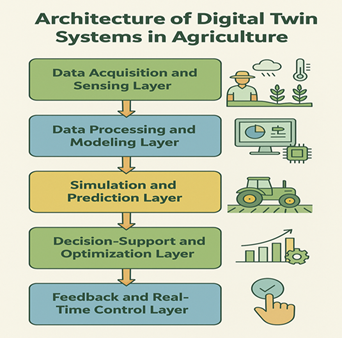
Figure 2. Architecture of Digital Twins in Agriculture
The methodical analysis of large datasets to find latent opportunities, unexpected connections, changing market trends, customer behavior patterns, and different types of value-added knowledge is known as big data analytics, or BDA. The five Vs—Value, Volume, Variety, Velocity, and Veracity—are often used to characterize the theoretical framework of big data. Big data-driven smart agriculture is still an emerging concept. However, given its potential to significantly impact food supply chains and improve global food security through increased agricultural efficiency, its adoption trajectory looks more promising. In-field ground sensors, aerial vehicles with multispectral imaging systems, terrestrial vehicles with integrated sensor arrays, government regulatory frameworks and statistical reports, and social media platforms are just a few examples of the diverse sources from which agricultural big data is usually compiled across several stages of the agricultural continuum [15]. Environmental characteristics (weather patterns, soil moisture levels, climatic variables), biological indicators (plant pest and disease incidence, crop nutritional status), and geographic data are all included in agricultural data. These data types show significant variability based on velocity, volume, and format and differ depending on the agricultural situation. Following collection, the data is systematically stored in computational databases and subsequently processed through algorithmic analysis to generate integrated assessments of seed properties, soil attributes, prevailing weather conditions, trade and marketing dynamics, inventory control metrics, and consumer engagement patterns [16].
1.12. Data Processing and ModelingThe most used techniques are machine learning, modeling, simulation, and cloud-based platforms. More specifically, prediction, clustering, and classification is are the areas in which the tools of machine learning can be applied, whereas cloud platforms are needed to store, pre-process, and visualize large-scale data [17]. The potential areas of the use of BDA (Big Data Analytics) are not well- mentioned in the current literature. Numerous issues in the agriculture sector can be addressed by employing BDA (Big Data Analytics ) to handle various problems. These encompass indoor vertical farming technologies and data-intensive greenhouses, quality assessment and health control of crops in indoor and outdoor farms, decision support systems, genetic engineering to help farmers in designing indoor vertical farms, and scientific modeling of policies that can help policymakers in decision-making needed to sustain of the physical ecosystem.
1.13. Prediction SystemWithin the agriculture sector, deep learning algorithms are most commonly applied to computer vision problems that address the prediction of essential variables and the detection of agronomic conditions. These applications encompass the forecasting of crop yields, weather patterns, and soil moisture content, alongside the monitoring of crop growth parameters and the identification of pests, diseases, and plant species [18].
1.14. Decision Support System (DSS) in AgricultureA Decision Support System (DSS) can be defined as an intelligent decision-making framework designed to address specific needs and problems by offering solutions to operational requirements for stakeholders and end-users. It achieves this by delivering actionable insights derived from raw data, experiential knowledge, documentation, and/or structured design methodologies. DSS architectures are typically categorized as model-driven, data-driven, document-driven, communication-driven, and knowledge-driven [9].
The availability of agricultural data has increased exponentially due to the widespread use of data analytics. Tools like agricultural DSS, which enable precise, and evidence-based decision-making about farm operations and infrastructure layout, are necessary to transform this heterogeneous data into useful knowledge platforms. With specialized systems now created for a variety of farming domains, such as farm management, water resource management, and environmental stewardship, the term "agricultural DSS" has become significantly popular within the industry in recent years. Despite their promise, most agricultural DSS fall short in incorporating expert knowledge, which is an important resource that might support the development of user-centered systems. Complex Graphical User Interfaces (GUIs), restricted re-planning functionality, inadequate predictive and forecasting skills, poor adaptation to uncertainty and changing environmental circumstances are other common flaws in current agricultural DSS. Additionally, it is significant because the majority of agricultural DSS have been developed mainly for outdoor agricultural systems, with little research done on their useage in indoor soilless farming settings [19].
1.15. Agricultural Cyber Physical System (CPS)A Cyber-Physical System (CPS) is a self-managing distributed system that combines communication networks, physical processes, and digital infrastructures. It is acknowledged as a fundamental technology that enables data analytics. CPS designs utilize a variety of current technologies, including cloud computing, augmented reality (AR), machine learning (ML), agent-based systems, the Internet of Things (IoT), and big data analytics.
Scalability, autonomy, flexibility, resilience, dependability, safety, and security are just a few of the performance parameters that increase when CPS is implemented. To create complete farm management systems that dynamically interact with the physical environment to ensure ideal growth conditions for crops, agricultural CPS especially refers to the integration of innovative electronic technology with agricultural processes [20]. To accurately control irrigation, humidity levels, and general plant health, agricultural CPS gathers and stores relevant data on soil characteristics, crop state, and climate.
Table 1. Representative Studies on Digital Twin Technology in Agriculture
|
Crop / System |
Data Used |
Digital Twin Method in Agriculture |
Digital Twin Purpose |
Main Outcome |
References |
|---|---|---|---|---|---|
|
Wheat cropping system |
Weather data, soil moisture, crop phenology, remote sensing |
Process-based crop model integrated with sensor-driven digital twin |
Yield prediction and management optimization |
Improved yield forecasting and adaptive decision-making under variable climate |
[21] |
|
Maize field system |
IoT sensors, UAV imagery, soil nutrients, weather data |
AI-driven digital twin using machine learning + crop growth models |
Precision nutrient and irrigation management |
Reduced input use with increased productivity |
[22] |
|
Greenhouse tomato |
Temperature, humidity, CO₂, light intensity (real-time sensors) |
Cyber-physical digital twin with control algorithms |
Climate control and energy optimization |
Enhanced crop growth and reduced energy consumption |
[23] |
|
Rice production system |
Satellite imagery, soil data, hydrological data |
GIS-enabled digital twin coupled with simulation models |
Water management and yield optimization |
Improved water-use efficiency and stable yields |
[24] |
|
Vineyard (grapevine) |
Weather stations, soil sensors, UAV multispectral data |
AI-based digital twin with predictive analytics |
Disease prediction and quality management |
Early disease detection and improved fruit quality |
[25] |
Most CPS created for agricultural applications are still at the conceptual stage, despite their promise. Furthermore, only a small number of articles have addressed soil-based greenhouse systems; most of the existing research concentrates on outdoor agricultural situations. Crucially, there are currently no studies available that investigate the use of CPS in soilless indoor farming settings. Although CPS have garnered significant academic interest due to their proven potential in several fields, their practical implementation in actual agricultural environments has not yet been achieved, requiring additional development of suitable hardware and software infrastructure [21]. Hence, in this research different digital twins methods are employed for various purposes on different types of crops (Table 1).
2. MATERIALS AND METHODS
In modern agriculture, digital twin technology has emerged as a revolutionary tool in order to investigate how digital twins improve agricultural productivity, this study summarizes research the findings from one hundred recent publications. A variety of technologies, comprising weather monitoring stations, sensors, and drones that monitor important environmental factors including temperature, humidity, soil conditions, and climatic fluctuation were used to provide data for this investigation. The Internet of Things (IoT), big data, cloud computing, and artificial intelligence (AI), especially machine learning (ML) and deep learning (DL), were used to process this data. These technologies made it possible to find and keep an eye on important correlations and trends in the dataset.
This approach made it feasible to forecast significant agricultural outcomes, such as crop growth and production, disease incidence, and changes in the climate. These prediction-based insights aid in making well-informed agricultural management decisions and deepen the understanding of crop conditions. Crucially, digital twins provide a virtual platform for tracking and evaluating crop development without interrupting with real-world agricultural activities, allowing for more sustainable practices and real-time information [26].
2.1. Applications of Digital Twin in AgricultureDifferent applications of Digital twin in agriculture are shown below (Figure 3).
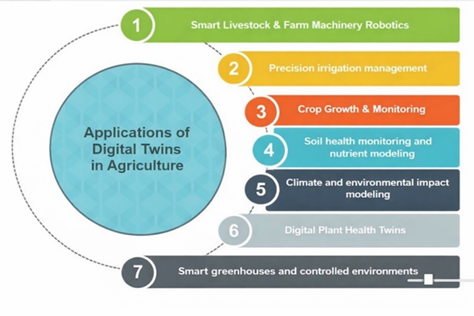
Figure 3. Applications of Digital Twins in Agriculture (AI-generated Infographic)
2.2. Farming ProductivityModern technologies, such as intelligent irrigation systems, precision agriculture, data analytics, biotechnology, artificial intelligence, robots, and sustainable farming techniques, may significantly increase the capabilities of farm machines. By enabling farmers to identify resource optimization solutions, especially with regard to water and fertilizer management, digital twins provide additional value by helping them to reduce their environmental impact. Farmers may reduce operational waste, increase resource usage efficiency, and make better decisions by using data-driven insights. Additionally, by enabling real-time monitoring of crop growth and development, digital twins enable agricultural businesses to match output with customer demands, eventually securing high-yield harvests and higher food quality. Their usage comprises the path forward for improving precision farming procedures, distributing resources, Standardized decision assistance, remote monitoring capabilities, and prescriptive analytics Given the demonstrated improvements in performance made attainable by digital twins in agricultural applications, these systems seem highly feasible.
Farmers will have access to vital information about pest and disease outbreaks, crop nutrition, soil moisture balance, nutritional requirements, and many other agronomic factors by building comprehensive virtual models that include every facet of farming operations, such as farm land, crops, equipment, and environmental elements. Ultimately, this technical approach leads to improved operational efficiency, reduced input costs, and higher agricultural yields [25].
2.3. Livestock MonitoringHerd management is another well-known use of digital twin technology, where sensors are widely implemented to produce continuous data streams on animals, feeding stations, and milking stations. This data is processed and analyzed by using digital twins to generate crucial health information of specific animals as well as the yield of meat and milk. This capability enables more appropriate and specialized treatments, raising the probability of enhanced animal welfare and productivity results. Precision livestock farming methods enable farmers to detect issues early and modify their management strategies by utilizing this technology to assess cattle health and behavioral trends. The use of digital twins for comprehensive livestock monitoring, management, and optimization has been well documented by recent studies.
To help with the best barn design choices, a study [23] proposed simulating pigsty energy use through digital twin technology. The same body of research also examined at the potential advantages of digital technology to increase livestock output by automated management of barn environmental systems, namely temperature and air quality regulation to maintain appropriate growth conditions [27].
2.4. Precision Agriculture TechnologyTo enhance agricultural advantages, a number of interrelated factors can be optimized: the use of smart irrigation systems to improve water use efficiency, the application of precision agriculture technologies to optimize input application, the development of crop resilience through biotechnology applications, and the improvement of crop management techniques through artificial intelligence and data analytics One of the fields that has seen significant modern innovation through the integration of technology including the Internet of Things (IoT), sensor networks, (AI) algorithms, and big data analytics is crop management. When combined, these technologies increase crop yields, lower operating costs, simplify production procedures, and improve overall agricultural efficiency. Transformative technologies have emerged as a result of the Fourth Industrial Revolution, and digital twins are particularly promising for improving crop management and monitoring skills. Due to their ability to replicate physical systems virtually and facilitate data-driven decision-making, digital twins have been increasingly acknowledged as useful tools for their ability to improve farming methods in the agriculture sector [28].
2.5. Crop Growth and MonitoringMonitoring and sensing, intelligent analysis and planning, and smart control of farm activities are the three main components of smart farming, which may be thought of as a cyber-physical control cycle integrated within a whole-farm management approach. In this paradigm, farmers may remotely monitor and manage activities using (near) real-time digital data channels that substitute of human presence, rather than direct monitoring and manual action in situ. Farmers may be automatically informed of any irregularities or possible problems before they arise thanks to this method. Using digital depiction of plants, animals, or machinery under consideration, they may monitor field or livestock conditions from their desk or smartphone. Within the digital twin framework, machine learning algorithms are increasingly supplementing object-specific evaluations and suggestions. Before implementing corrective and preventative measures, farmers can assess their possible effects by simulating them on digital representation.
Farmers may then check the digital view to see if the target issue has been resolved successfully, once the selected intervention has been carried out remotely. This farm management cycle is expected to gradually become increasingly automated, which may lessen the need for direct human interaction. At the end, it is possible to see that all agricultural entities—crops, fields, animals, and equipment—have become more vulnerable to virtualization, a development that will become more rapid [29].
2.6. Digital Twins in Soil and IrrigationFrom an agricultural perceptive, one of the key factors influencing plant production is soil quality. Crop productivity and general plant health are directly impacted by the physicochemical characteristics of the soil. By improving groundwater protection, better soil health characterization can lessen the reliance on chemical fertilizers and pesticides, protecting human health and environmental quality. With applications ranging from maximizing the efficiency of plant density determination, digital technologies are essential in helping scientists to evaluate and understand soil conditions within agricultural systems.
The deployment of digital twin technology in agriculture receives significant support by soil monitoring sensors, such as those that measure temperature, pollutant levels, moisture content, and organic matter composition. Soil mapping paradigm and irrigation efficiency are assessed by collecting soil moisture data and using field and lab studies. Since the digital soil evaluation technique identifies regions where agricultural productivity is lowered, it directly affects crop output and performance. Soil surveys may be used to measure the trend of soil conditions, and agricultural DT can identify significant soil properties [30].
Digital twins are intended to simulate ecological conditions, environmental processes, and climate dynamics in agricultural production systems. These systems incorporate meteorological data, air quality assessments, hydrological information, and other environmental factors for outdoor agriculture. Consequently, facility-specific factors, such as temperature, humidity, and airflow patterns, may be more accurately simulated and forecasted for indoor growth conditions.
Meteorology, climatology, remote sensing, and space science are the basic disciplines and technologies in outdoor agriculture. While satellite-based remote sensing technology makes it easier to collect large-scale data about climatic trends, soil moisture distribution, plant cover, and associated factors, meteorological data provides the fundamental foundation for environmental modeling.
Computational Fluid Dynamics (CFD) simulation systems allow for the thorough modeling of facility specfic environmental conditions in indoor agriculture. Crop development studies with precision down to the individual plant level are made possible by simulation data created for indoor agricultural systems, which may attain far better precision than the remote sensing data obtained for the outside systems. This improved resolution is especially useful to evaluate the basic mechanics of crop development.
2.7. Smart Green- House TechnologyA digital twin was used in a greenhouse setting as an example to record, examine, and display farmers' behavioral patterns. To create decision-making models that capture the wisdom of seasoned growers and let new farmers learn from them, deep learning techniques were used to sensor data. Crop management and control techniques were shown to be improved by the integrated digital twin module. The distributed architecture supporting the digital twin increased productivity and operational dependability through automatic resource optimization. With the objective to manage resources across various platforms and stakeholders within the agricultural ecosystem, the idea of an autonomously distributed digital twin was created. In order to facilitate interoperability and cross-scale management throughout the agricultural landscape, this architecture integrates a variety of components, including stakeholders, farm management systems, agricultural applications, analytics tools, sensor data streams, simulation platforms, virtual models, IoT infrastructure, and resource registry [31]. The use of digital twins of urban settings in city planning has grown, allowing for the modeling of infrastructure and the simulation of urban growth trajectories to facilitate the construction of smart cities [32]. These virtual representations enable intelligent transportation management, ongoing environmental monitoring, and dynamic urban government.
2.8. Implementation Challenges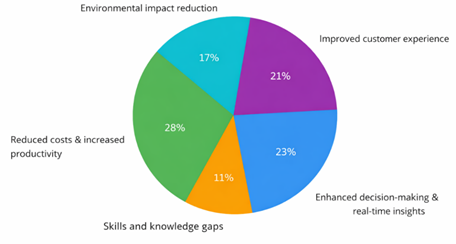
Figure 4. Benefits and Challenges of Digital Twin Technology (AI-generated Infographic)
As illustrated in Figure 4, Significant benefits of digital twin technology include increased productivity, real-time decision-making, operational insights, and improved customer experiences by establishing dynamic links between physical resources and their digital versions. This improves operational efficiency and makes predictive maintenance possible. However, several substantial challenges hinder wider adoption, including high implementation costs, privacy and data security difficulties, a lack of established protocols and interoperability frameworks, and continuous deficits in technical skills and supporting infrastructure [22, 23, 25].
A number of obstacles must be overcome before digital twin technology can be used for crop management, such as poor data quality, complicated data integration, complex models, expensive equipment, privacy issues, and cybersecurity flaws. Due to the lack of integrated modeling frameworks and the inherent challenge of fully reflecting all relevant activities within the current agricultural IT infrastructure, widespread adoption still remains elusive. High-quality data is essential to digital twin models.; However, due to the intrinsic variety of climatic circumstances and the intricate interaction of various biotic and abiotic components, such data is rarely easily accessible within the agriculture sector.
Managing the data gathered from several sources is quite difficult due to the diversity of data formats and standards among various sensors and platforms. Furthermore, since data analytics, modeling, and simulation procedures are intrinsically complicated and time-consuming, the creation of precise digital twin models in agriculture continues to be challenging [33]. Beyond these technological obstacles, adoption is further hampered by the lack of dependable internet access in rural regions, security flaws impacting physical infrastructure, and maintenance challenges resulting from remote location. Prohibitive capital investment needs and a lack of understanding about the best crops to choose for certain climatic circumstances are other obstacles to adoption.
Model building in agriculture requires a thorough understanding of the biological, chemical, and physical processes driving soil and plant systems; nevertheless, the intrinsic complexity of dynamic systems makes effective modeling extremely difficult [34].
3. REDEFINING AGRICULTURAL SCIENCE: KEY APPLICATIONS
Agriculture is becoming a predictive and reactive science as a result of the combination of AI and digital twins. The whole value chain exhibit this change [35, 36]
3.1. Democratizing Technology Through Inclusive DesignThe use of AI-driven digital twins to meet the requirements of underserved agricultural communities is a noteworthy trend that challenges the stereotype that these high-tech solutions are exclusive to large-scale industrial farms. For Indian smallholder farmers, one noteworthy approach suggests a multilingual, LLM-driven digital twin. This approach, which operates offline on inexpensive edge devices like a Raspberry Pi, combines real-time IoT data with a knowledge graph to provide individualized and comprehensible agricultural advice via a voice interface in more than ten local languages. This is a paradigm change from one-size-fits-all recommendations to AI-powered, culturally and linguistically relevant decision support.
3.2. A Critical Analysis: Socio-Technical BottlenecksEven with the astounding advancements in technology, there is no assurance that these developments will have a broad, egalitarian influence. An increasing corpus of work from 2025 urges a crucial shift away from a strictly "techno-optimist" approach and toward a "socio-technical" one. The biggest obstacles to advancement are now not only technological but also profoundly sociological and human.
3.3. The Black Box Problem: Trust and ExplainabilityThe decision-making mechanisms of more sophisticated AI models (such as deep reinforcement learning agents) may become opaque, a typical "black box" issue. If a farmer cannot comprehend the reasoning behind AI' advice, they are unlikely to bet a season' produce on it. For acceptance, the idea of explainable AI (XAI) is consequently essential. By employing knowledge graphs to offer human-readable justifications for its suggestions, the multilingual digital twin framework for India specifically tackles this issue and fosters user confidence. Even the most reliable and precise models will not be effective in the risk-tolerant world of farming without such transparency.
3.4. Algorithmic Bias and the Perpetuation of InequalityAI models are only as good as the data they are trained on. If the training data underrepresents certain crops, farming practices, or geographic regions, the resulting digital twin will perform poorly in those contexts. A weed detection model trained on images from large monoculture farms in North America will likely fail in a diverse, multi-cropping smallholder farm in sub-Saharan Africa. This algorithmic bias carries the danger of establishing a technological gap where the advantages of AI disproportionately benefit large-scale, well-established agricultural systems while marginalizing the variety of practices essential for biodiversity and global food security. AI-driven agriculture has the potential to increase current imbalances in the food chain if left unmanaged.
3.5. Data Sovereignty and New ColonialismDigital twins use a lot of data. This raises the questions that who is the owner of the data produced on a farm? The farmer? The supplier of technology? Hence, one crucial flashpoint is the issue of data sovereignty. Power imbalance develops when a farm is equipped with sensors from a global agri-tech business since data streams frequently go to corporate servers. An essential aggregated dataset that might be utilized to affect markets is provided to the company. This could alter prices, while the farmer gains insight. A new kind of "data colonialism," is raising serious concern about whether the source (farm data) is taken away from the margins (the farm)to produce prosperity at the center (the IT industry). To ensure that farmers maintain their ownership and independence, It is necessary to have strong governance structures, data cooperatives, and technologies like federated learning, where the model goes to the data instead of the contrary way around.
3.6. The Workforce and the Just TransitionWhat will happen to the agricultural labor force as farms are more automated? Robotics and digital twins might reduce labor shortages in some areas However, in others, they may put farm laborers in danger. The argument over "jobs lost vs. jobs created" is being replaced with a call for a "just transition." Investments in education and training as well as proactive policies are needed to help the present workforce to acquire the digital literacy skills required to communicate, manage, and show interest in these new and innovative systems. A prospective agricultural worker can be more of a "farm system manager," managing a team of robots and interpreting the performance of a digital twin rather than a human worker.
3.7. The Road Ahead: A Strategy for Responsible InnovationThe use of AI-powered digital twins in agriculture needs a comprehensive approach that aims for advanced technology while designed with morality and ethics in mind. Based on an overview of recent studies, a reasonable plan may include the following:
Table 2. Digital Twins Accuracy Measures and Case Studies
|
Study |
Application Area |
Technology Data Source |
Accuracy Performance |
Key Findings |
||
|---|---|---|---|---|---|---|
|
Reference [37] |
Smart irrigation in arid agriculture |
IoT sensors + ML-based digital twin |
38% water saving and 16% increase in crop yield |
Real-time monitoring enabled adaptive irrigation scheduling. |
||
|
Reference [38] |
Orchard irrigation management |
UAV 3D modelling + DT simulation |
Improved irrigation precision and water-use efficiency |
Digital twin improved decision-making for hillside orchard irrigation. |
||
|
Reference [8] |
Digital twin review in agriculture |
Sensor networks + cyber-physical systems |
Improved monitoring and predictive modelling |
DT enables real-time monitoring and optimization of agricultural processes. |
||
|
Reference [9] |
Smart irrigation and disease prediction |
IoT, ANN, ResNeXt-50 |
Accuracy ≈ 0.94–0.97 |
DT systems enabled automated irrigation and disease detection. |
||
|
Reference [10] |
Greenhouse environmental monitoring |
Sensor networks + AI models |
~85% validation accuracy; disease detection up to 96% |
Digital twin improves environmental control and crop monitoring. |
|
|
|
Reference [12] |
Crop growth prediction |
Sensor networks + ML algorithms |
Overall prediction accuracy ≈ 82.8% |
DT enables stage-wise crop growth monitoring. |
|
|
3.7.1. Investing in Interoperability and Open Standards. To prevent vendors lock-in and encourage a competitive environment, modular designs and open standards. (such as the FIWARE-based system detailed in) that facilitates easy collaboration between different technologies and data sources are needed.
3.7.2. Championing Participatory Design. Farmers need to be involved in the advancement of technology. Indigenous people, female farmers, and smallholders can take part in cooperative design activities to ensure that instruments are suitable, easily available, and compatible with local needs and abilities.
3.7.3. Establishing Robust Governance and Ethics Frameworks. To establish precise rules about data ownership, policymakers, researchers, and businesses must work together. Organizations such as the FAO and the OECD play an important role in establishing these international and national governance systems.
3.7.4. Bridging the Digital Divide. AI-driven agriculture will not produce the desired results. for many without corresponding funding for initiatives that increase capacity. and rural digital infrastructure, including affordable, efficient internet and easily available technical support.
Digital data sources, their accuracy, and related case studies across various application areas are presented in Table 2, along with their key findings.
3.8. ProspectsMany advantages for agriculture have resulted from the constant advancement of the digital twin technology such as increased operational efficiency, cost savings, process optimization, and crop sustainability. With the help of digital twins, farmers can make data-driven decisions that optimize important crop management practices, cropping time, fertilization schedules, and irrigation methods. As a result, yields increase with less resource consumption.
By using essential supplies more effectively, such as fertilizer and water farmers may further decrease its impact on the environment. Making better decisions by using data analytics, Agricultural professionals can improve resource efficiency and decrease waste. Furthermore, by facilitating constant monitoring of crop development and growth, digital twins assist agricultural businesses in balancing production to consumer demand, leading to improved operations, increased yields, and higher-quality products [39]. Digital twin technologies enable innovative solutions to improve the sustainability of agriculture. And is operational effectiveness since it is closely linked to the concepts of circular economy and Industry 4.0. The findings showed that integrating digital technologies could significantly enhance agricultural production systems. Energy and water can increase agricultural productivity, which is in line with the Sustainable Development Goals (SDGs) of the United Nations.
The Importance of digitalization in modern Agriculture, the architecture of digital twin systems and the application of digital twin technology in agriculture help to stimulate productivity, growth, and yield of crop production within a short period of time. Due to digitalization, industries may use resources more effectively, reducing the ecological impact of their products.
4. CONCLUSION
Digital twin technology present itself as a promising tool for farming system simulation, visualization, and optimization. At the end, its long-term impacts would primarily determined by its sophisticated computational capabilities and our shared desire to use this technology in a diverse and ethical manner. This strategy offers a simple way to strike a balance between environmental responsibility and economic progress. Governments, executives, the corporate sector, and researchers must collaborate to create an environment that encourages the transformation of digital tools. Stakeholders may expedite the use of digital technology by resolving the issues found by this analysis. As a result, society would become more technologically sophisticated, efficient, and sustainable, promoting economic expansion while halting the depletion of finite natural resources.
Author Contributions
Madieha Ambreen: conceptualization, data curation, writing original draft, supervision. Muhammad Talha Hassan: visualization, validation, writing- review & editing. Maryam Khalid: investigation, formal analysis, resources.
Data Availability Statement
Data availability is not applicable as no new data was used.
Funding Details
This research received no external funding.
Conflict of Interest
The authors of the manuscript have no financial or non-financial conflict of interest in the subject matter or materials discussed in this manuscript.
Use of Generative AI:
No AI tools is used in writing review article.
REFERENCES
- Grieves M. Digital twin: manufacturing excellence through virtual factory replication. White Paper. 2014. https://www.researchgate.net/publication/275211047_Digital_Twin_Manufacturing_Excellence_through_Virtual_Factory_Replication
- Wang J, Li X, Wang P, Liu Q. Bibliometric analysis of digital twin literature: a review of influencing factors and conceptual structure. Technol Anal Strateg Manag. 2022;36:1-15. https://doi.org/10.1080/09537325.2022.2026320
- Wang L. Digital twins in agriculture: a review of recent progress and open issues. Electronics. 2024;13(11):e2209. https://doi.org/10.3390/electronics13112209
- Inamdar A, van Driel WD, Zhan G. Digital twin technology—a review and its application model for prognostics and health management of microelectronics. Electronics. 2024;13(16):e3255. https://doi.org/10.3390/electronics13163255
- Leng J, Zhou M, Xiao G, Zhang H, Liu Q. Digital twins-based smart manufacturing system design in Industry 4.0: a comprehensive review. J Manuf Syst. 2021;60:119-139. https://doi.org/10.1016/j.jmsy.2021.05.004
- Popa EO, Van Hilten M, Oosterkamp E, Bogaardt MJ. The use of digital twins in healthcare: socio-ethical benefits and socio-ethical risks. Life Sci Soc Policy. 2021;17:e6. https://doi.org/10.1186/s40504-021-00113-x
- Yaqoob I, Salah K, Khan LU, Jayaraman R, Al-Fuqaha A, Omar M. Digital twins for smart cities: benefits, enabling technologies, applications, and challenges. In: Proc IEEE Future Netw World Forum (FNWF); 2023: Baltimore, MD, USA. https://doi.org/10.1109/FNWF58287.2023.10520349
- Tagarakis AC, Benos L, Kyriakarakos G, Pearson S, Sørensen CG, Bochtis D. Digital twins in agriculture and forestry: a review. Sensors. 2024;24(10):e3117. https://doi.org/10.3390/s24103117
- Zhang R, Zhu H, Chang Q, Mao Q. A comprehensive review of digital twins technology in agriculture. Agriculture. 2025;15(9):e903. https://doi.org/10.3390/agriculture15090903
- Bautista CJC, Gallegos RKB, Lampayan RM. Machine learning and digital twins in smart irrigation: optimising water use through agricultural data analytics. Smart Agric Technol. 2025;3(1):e2562418. https://doi.org/10.1080/27525783.2025.2562418
- Ahsen R, Di Bitonto P, Novielli P, et al. Harnessing digital twins for sustainable agricultural water management: a systematic review. Appl Sci. 2025;15(8):e4228. https://doi.org/10.3390/app15084228
- Gund R, Badgujar CM, Samiappan S, Jagadamma S. Application of digital twin technology in smart agriculture: a bibliometric review. Agriculture. 2025;15(17):e1799. https://doi.org/10.3390/agriculture15171799
- Verdouw C, Tekinerdogan B, Beulens A, Wolfert S. Digital twins in smart farming. Agric Syst. 2020;189:e103046. https://doi.org/10.1016/j.agsy.2020.103046
- Gong J, Chen J, Chen Z, Chi H, Liu J. Overview of the application progress of digital twins in agriculture. Paper presented at: International Conference on Digital Management and Information Technology; March 14-16, 2025; Shenyang, China. https://doi.org/10.1145/3736426.3736473
- Getahun S, Kefale H, Gelaye Y. Application of precision agriculture technologies for sustainable crop production and environmental sustainability: a systematic review. Sci World J. 2024;2024:e2126734. https://doi.org/10.1155/2024/2126734
- Soussi A, Zero E, Sacile R, Trinchero D, Fossa M. Smart sensors and smart data for precision agriculture: a review. Sensors. 2024;24(8):e2647. https://doi.org/10.3390/s24082647
- Dibbern T, Romani LAS, Massruhá SMES. Main drivers and barriers to the adoption of digital agriculture technologies. Smart Agric Technol. 2024;8:e100459. https://doi.org/10.1016/j.atech.2024.100459
- O'Donoghue T, Minasny B, McBratney A. Digital regenerative agriculture. npj Sustain Agric. 2024;2(1):e5. https://doi.org/10.1038/s44264-024-00012-6
- Benos L, Tagarakis AC, Dolias G, Berruto R, Kateris D, Bochtis D. Machine learning in agriculture: a comprehensive updated review. Comput Electron Agric. 2021;182:e106036. https://doi.org/10.1016/j.compag.2021.106036
- Al-Sharif LM, Nour El-Din HM. A GIS-based decision support system for sustainable agricultural land use planning. Arab J Geosci. 2011;4(5-6):919-928. https://doi.org/10.1007/s12517-010-0149-6
- Taechatanasat P, Armstrong L. Decision Support System Data for Farmer Decision Making [dissertation]. Edith Cowan University; 2021.
- Purcell W, Neubauer T. Digital twins in agriculture: a state-of-the-art review. Smart Agric Technol. 2023;3:e100094. https://doi.org/10.1016/j.atech.2022.100094
- Ariesen-Verschuur N, Verdouw C, Tekinerdogan B. Digital twins in greenhouse horticulture: a review. Comput Electron Agric. 2022;199:e107183. https://doi.org/10.1016/j.compag.2022.107183
- Alves RG, Maia RF, Lima F. Development of a digital twin for smart farming: irrigation management system for water saving. J Clean Prod. 2023;388:e135920. https://doi.org/10.1016/j.jclepro.2023.135920
- Pylianidis C, Osinga S, Athanasiadis IN. Introducing digital twins to agriculture. Comput Electron Agric. 2021;184:e105942. https://doi.org/10.1016/j.compag.2021.105942
- Awais M, Wang X, Hussain S. Advancing precision agriculture through digital twins and smart farming technologies: a review. AgriEngineering. 2025;7(5):e137. https://doi.org/10.3390/agriengineering7050137
- Goap A, Sharma D. An IoT-based smart irrigation management system using machine learning and open source technologies. Comput Electron Agric. 2018;155:41-49. https://doi.org/10.1016/j.compag.2018.09.040
- Lee J, Bagheri B, Kao HA. A cyber-physical systems architecture for Industry 4.0 and beyond: trends, enabling technologies, and framework. J Manuf Syst. 2021;58:66-79. https://doi.org/10.1016/j.mfglet.2014.12.001
- Tsolakis N, Bechtsis D, Vasileiadis G, Menexes I, Bochtis DD. Sustainability in the digital farming era: a cyber-physical analysis approach for drone applications in agriculture 4.0. Springer Optim Appl. 2021;185:29-53. https://doi.org/10.1007/978-3-030-84156-0_2
- Jo SK, Park DH, Park H, Kwak Y, Kim SH. Energy planning of pigsty using digital twin. In: Proc Int Conf Inf Commun Technol Converg (ICTC); 2019:723-725. https://doi.org/10.1109/ICTC46691.2019.8940032
- Sharma R, Kamble SS, Gunasekaran A, Kumar V, Kumar A. A systematic literature review on machine learning applications for sustainable agriculture supply chain performance. Comput Oper Res. 2020;119:e104926. https://doi.org/10.1016/j.cor.2020.104926
- Wang L. Digital twins in agriculture: a review of recent progress and open issues. Electronics. 2024;13:e2209. https://doi.org/10.3390/electronics13112209
- Batty M. Digital twins. Environ Plan B Urban Anal City Sci. 2018;45:817-820.
- Elijah O, Rahim SKA, Emmanuel AA, et al. Enabling smart agriculture in Nigeria: application of digital-twin technology. In: Proc Int Conf Multidiscip Eng Appl Sci (ICMEAS); 2021. https://doi.org/10.1109/ICMEAS52683.2021.9692351
- Wu P, Zhong Y. Artificial intelligence in sustainable agriculture: towards a socio-technical roadmap. Smart Agric Technol. 2025;12:e101578. https://doi.org/10.1016/j.atech.2025.101578
- Majumder S, Mason CM. Sunflower yield modeling with explainable artificial intelligence: historical weather impacts across half a century of American production. Agron J. 2025;117:e70204. https://doi.org/10.1002/agj2.70204
- Salwadkar M. Digital twin–integrated smart irrigation system for real-time water optimization in arid agriculture. J Environ Sustain Clim Resil Agroecosyst. 2024;1(2):23-29.
- Xu T, Zhang X. Research on the application of digital twin technology in water-saving irrigation for hillside orchards. J Electr Syst. 2024;20(3):4713-4716. https://doi.org/10.52783/jes.5884
- Nie J, Wang Y, Li Y, Chao X. Artificial intelligence and digital twins in sustainable agriculture and forestry: a survey. Turk J Agric For. 2022;46:642-661. https://doi.org/10.55730/1300-011X.3033
Grieves (2014) introduced the concept of the Digital Twin as a virtual replica of a physical manufacturing system that enables real-time monitoring, simulation, and optimization. The paper highlights how virtual factory replication improves manufacturing excellence by enhancing decision-making, efficiency, and lifecycle management.
Wang et al. (2022) presented a bibliometric review of digital twin research, mapping key influencing factors, thematic evolution, and the conceptual structure of the field to identify research trends and future directions.
Wang (2024) reviewed recent advancements in agricultural digital twins, highlighting applications in smart farming while identifying key open challenges such as data integration, model accuracy, and scalability.
This review synthesized the evolution of digital twin concepts, architectures, and modeling approaches, tracing their roots to early simulation and information technologies (e.g., NASA roadmaps and Grieves's work) and discusses updated architectural models and roles of modeling & simulation in digital twin frameworks.
This review by Leng et al. (2021) provided a comprehensive overview of digital twin applications in Industry 4.0, highlighting their role in smart manufacturing system design and integration.
Tretter et al. examined the ethical implications of digital twins in healthcare, highlighting concerns related to privacy, responsibility, transparency, and patient autonomy in this emerging paradigm.
Authors discussed digital twins as dynamic virtual representations of real-world systems, emphasizing their role in urban modeling, planning, and real-time decision-making.
Zhang et al. (2025) provided a comprehensive review of digital twin technologies in agriculture, summarizing current applications, enabling technologies, and future research challenges for sustainable and intelligent farming systems.
Ahsen et al (2025) systematically reviewed how digital twin technology can enhance sustainable agricultural water management by improving irrigation efficiency, real-time monitoring, and data-driven decision-making.
Gund (2025) presented a bibliometric review highlighting global research trends, key technologies, and future directions of digital twin applications in smart agriculture for improving productivity and sustainability.
Verdouw et al. explored the use of digital twins in smart farming, highlighting how virtual representations of agricultural systems support data-driven decision-making, efficiency, and sustainability.
Gong et al. (2020) provided an overview of the progress of digital twin applications in manufacturing, emphasizing their role in improving production efficiency, system monitoring, and intelligent decision-making.
Getahun et al. (2024) systematically reviewed precision agriculture technologies, highlighting their contributions to sustainable crop production, resource efficiency, and environmental sustainability.
Soussi et al. (2024) reviewed smart sensors and data technologies in precision agriculture, emphasizing their role in enhancing crop monitoring, decision-making, and farm management efficiency.
Dibbern et al. (2024) analyzed the key drivers and barriers affecting the adoption of digital agriculture technologies, highlighting factors that influence farmer uptake and implementation success.
O'Donoghue et al. (2024) discussed digital regenerative agriculture, emphasizing how digital tools can enhance soil health, sustainability, and resilient farming practices.
Benos (2021) reviewed the applications of machine learning techniques in agriculture, emphasizing their role in crop monitoring, yield prediction, disease detection, and precision farming.