

| Review | Open Access |
|---|
AI Innovations in UI and UX Design: A Systematic Literature Survey |

|
|---|
 Afshan Jamal1 ,
Ayesha Qammar2 , and
Mamoona Zahid3*
Afshan Jamal1 ,
Ayesha Qammar2 , and
Mamoona Zahid3*
1Department of Computer Arts, Fatima Jinnah Women University, Rawalpindi, Pakistan
2Department of Communication & Media Studies, Fatima Jinnah Women University, Rawalpindi, Pakistan
3University of Management and Technology, Lahore, Pakistan
The integration of Artificial Intelligence (AI) into User Interface (UI) and User Experience (UX) design is revolutionizing how digital products are crafted, making them more intuitive, personalized, and accessible. This study conducts a thorough survey on the evolution of AI in UI/UX design. This study conducts a systematic review of the evolution of AI in UI/UX design, analyzing a sample of n = 15 articles published between 2021 and 2024. It reviews key trends, methodologies and practical implementations where AI has made a major difference to design processes and their outcomes. The findings show how AI can help improve usability by enabling dynamic and user centric interfaces that adapt according to the individual needs and behavior. Furthermore, design workflow has been changed by AI powered tools that automate repetitive tasks, generate design variations and create predictions to increase creativity and efficiency. Yet, there are some challenges with integrating AI into UI/UX. Areas of critical concern are identified through this survey, ranging from ethics with regards to data privacy and algorithmic biases, to technical shortcomings involving the system interoperability and scalability. This review provides valuable insights for researchers, designers and developers to effectively apply AI for inventive and user centered design solutions. It also provides directions for future research, pointing out that the adoption of interdisciplinary solutions is necessary to surpass existing impediments and make full use of AI in designing the future of UI/UX design.
I. INTRODUCTION
The rise of Artificial Intelligence (AI) has transformed many industries and one of key area is User Interface (UI) and User Experience (UX) design. In today’s world, where organizations are moving towards digital transformation, AI provides an innovative way to build UI/UX using efficiency, automation and data driven insights [1]. AI is changing design by enabling us analyze user behavior, generate personalized experiences and improve people interaction with technology.
AI is one of the most significant contributions to this field, because it has the ability to automate tedious work such as prototyping, A/B Testing, Layout Optimization, so designers can put their focus toward creating strategic and creative decision making. Additionally, AI driven tools provide real time feedback to the designers or user behavior analysis that can assist the designers to create not only superior looking solutions but also most functional solutions. What makes these tools particularly useful are they case if you’re in a rapid development environment where you need to be fast and accurate. In recent studies, it has been highlighted that a myriad of revolutionary changes are taking place in the existing design process, by the ability of AI to provide contextual insights, user requirements, and design evaluations [2].
Personalization, as well as usability, are key principles of current trends in AI driven UI/UX design, with AI technologies allowing creating adaptive interfaces which dynamically respond to users’ preferences. The personalization behind these interfaces is made through advanced algorithms that analyze huge amounts of the user data and adjust the interfaces in real time as users behave and need [3]. For instance, emotional AI, which interprets facial expressions, voice tones, and textual inputs, helps systems adapt to users’ emotional states, while creating deeper connection and engagement [4]. However, the development of these technologies has experienced rapid evolution that has sparked both ethical questions about data privacy, transparency and algorithmic bias. Such concerns indicate that much responsibility as a means of securing trust and inclusivity in design requires an ethical approach in implementing responsible AI [5].
One of latest trends in the field is the rise of AI powered design tools which aid the designer in ideation, design and evaluation phase. For example, generative AI, enables the accelerated generation of design variations and prototypes, accelerating the iterative process and enables designers to bandy and test several solutions in a fraction of the time. Nevertheless, there is a growing consensus that AI cannot fully replicate human creativity and empathy in design. As the most efficient method to combine the strengths of AI and the human expertise, collaborative approaches of using AI power in amalgamation with expertise of human beings are gaining acknowledgment [6]. Likewise, AI driven systems can help detect guideline violations, supply alternative suggestion and optimize user flows with data insights [7].
[8] highlights that AI is essential as a UX partner's creative magic in the workflow, but UX professionals consider AI as an additional aid not as a designer’s replacement. AI is particularly effective at automating the mundane design work, like layout configuration and usability testing which helps designers to conserve their efforts for more creative, innovative, and critical work to engage the users fully. They also emphasize on addressing the bias and trust issues to make AI driven UX design an ethical and an effective practice.
Despite its advantages, the integration of AI into UI/UX design introduces several challenges that must be addressed to achieve its full potential. One of the most pressing concerns is the ethical use of AI generally, such as regarding user data privacy and consent. Large datasets are at the core of almost any AI systems and hence are critical to the functioning of AI systems, however, such datasets are collected, how they are stored and whether they are being used by the companies, has been questioned [5]. In addition, the use of algorithms can result in unequal treatment for different user groups, thereby maintaining the societal inequality [9]. Maintaining user trust also requires both transparency and explainability as many of these AI systems are operating as "black boxes" [10].
Although there are many such challenges, the fact remains that AI has the potential to truly enhance usability and personalization within UI/UX design. Digital experiences are more user-centric [2], as AI can analyze user interactions and make tailored recommendations. Thus AI, as well as automating the routine tasks, enables designers to devote attention to more sophisticated and creative activities of design process and promotes progress and improves productivity [11]. But to explore full potential of AI in UI/UX design requires balance between automating and human oversight.
This paper explores three key research questions to understand the implications of AI in UI/UX design:
- What are the current trends and methodologies in AI-driven UI/UX design?
- How does AI enhance usability and personalization in UI/UX?
- What challenges and ethical considerations arise from the use of AI in UI/UX design?
RESEARCH QUESTIONS
Research Title and Author(s) |
Research Question |
Focus Areas |
Key Insights |
|---|---|---|---|
"The Role of AI in User-Centered Design" |
What are the current trends and methodologies in AI-driven UI/UX design? |
- Integration of AI in design thinking |
- Design thinking activities supported by AI lead to more creative solutions. |
"Exploring the Impact of AI on UI/UX Design" |
What are the current trends and methodologies in AI-driven UI/UX design? |
- Generative AI in design processes |
- Generative AI accelerates prototyping and A/B testing, reducing iteration cycles. |
"AI in Agile UX Design" |
How does AI enhance usability and personalization in UI/UX? |
- Adaptive and intuitive design |
- AI enables systems to evolve dynamically based on user behavior and preferences. |
"Balancing AI and Human Creativity" |
How does AI enhance usability and personalization in UI/UX? |
- Intelligent interactive systems |
- AI-powered virtual assistants and recommender systems enhance user satisfaction. |
"Ethical Challenges in AI-Driven Design" |
What challenges and ethical considerations arise from the use of AI in UI/UX design? |
- Data privacy and security |
- Privacy concerns arise from the vast user data required for AI. |
"AI, Bias, and Trust in UX Design" |
What challenges and ethical considerations arise from the use of AI in UI/UX design? |
- Trust and accountability |
- Transparent and accountable AI systems build user trust. |
AI contribution in the field of UI/UX design by introducing the powerful tools and the methodologies to increaes efficiency, usability and personalization is much significant. But adoption of AI, somehow questions about ethics, transparency and the designer’s approach in a time of flux. The paper aims to provide a clear depiction of the opportunities and limitations of AI in UI/UX design. It also helps understanding the best use of AI with accountability, ethical considerations and with the goal of enhancing human creativity and intuition. This work contributes to the more general discussion of how emerging technologies can be used to generate more inclusive, efficient, and impactful design solutions.This paper maps the way towards responsible implementation of AI through in-depth exploration of the state of current trends, challenges and benefits in order to emphasize the transformational potential of AI for UI/UX design.
B. CURRENT TRENDS AND METHODOLOGIES IN AI-DRIVEN UI/UX DESIGNThe Artificial Intelligence (AI) integration in the process of User Interface (UI) and User Experience (UX) design is developing the domain, bringing many approaches and tools. Designers are empowered by AI in automating their repetitive work and enabling rapid prototyping to drive agile workflow. AI driven tools help reduce user behavior analysis, A/B testing or prototype generation which makes the design process more efficient [11], [12]. These tools permit designers to engage in higher order creative tasks while enabling the precision and speed of design iterations.
AI-enabled tools often validate themselves when they help design the visually appealing and functional UIs through graphical interface elements. Practitioners, however, emphasize that creating user centric solutions comes through design thinking methodology. AI assistance opportunities go beyond automation. For example, AI helps in design inspiration search, alternative search, system personalization, and guaranteeing compliance with design guidelines [7]. As inspirational stimulants during design concept phase, these design heuristics from AI patents have also been used to anticipate innovative design approaches [13].
Furthermore, integrating these features in tools empowers designers to create adaptive and such innovative solutions for various user needs. In highlighting the need for creating intuitions interfaces that can allow users to interact with AI supported features in an intuitive way, it emphasizes the significance of gaining the engagement and satisfaction with the use of AI driven features [14].
Despite all, the ability for AI to perceive a user’s emotions and find unexpected needs to fill is still somewhat constrained. In this challenge, the need for a collaborative approach that integrate human designers to the AI assisted workflow is underscored. Similarly, AI is considered a valuable creative partner UX professionals by in terms of assisting in iterative design processes and automating mundane tasks [8], but ultimate AI based tools need transparency and mitigation of bias to create trust in AI based tools.
C. ENHANCEMENTS IN USABILITY AND PERSONALIZATIONWhen AI tools connect to user interface and user experience design it makes products easier to use while tailoring them to match user data. The use of AI systems enhances design work through tools to detect user behavior and automatically build prototypes and also test for usability [2]. AI systems track user behavior data to design interfaces that match users' repeated actions and choices according to the research [3].
These AI systems make the design process faster and easier to handle while producing user-friendly results that address customer requirements. AI systems produce smart interactive tools that make life better for users by offering them useful content based on their needs. The most distinguished benefit of AI systems lies in personalization for user design experiences. Interfaces that react to how users interact and what they like make the experience more enjoyable and they will want to use them longer. Through emotional AI technology interfaces detect user emotions by analyzing their facial expressions and vocal signals which triggers real time responses [15]. By developing these technologies digital systems can better understand their users and create experiences that feel special and important to them.
According to [8], UX experts appreciate AI role in personalization, in automating routine tasks and in refining their systems for user engagement through adaptive systems. But they cautioned against AI tools that don’t fully address designers’ hesitations on the risks of bias, ethics, and trust.
Developing fully personalized experiences depends heavily on user data collection which creates major privacy and consent problems [3]. Transparent and secure data handling practices are essential to maintain user trust and ensure the ethical application of AI in Personalization Efforts.
DCHALLENGES AND ETHICAL CONSIDERATIONSAI adoption in UI/UX design brings up many problems and ethical concerns. One major issue is the potential for algorithmic bias which can cause unfair treatment of certain groups of users. The research [9] emphasizes the importance of the fairness and accountability issues on AI driven designs, and call for audit or bias mitigation strategy.
Another critical challenge is privacy. Robust data protection measures are necessary to avoid misuse of the vast amounts of data needed for AI algorithms, and to guarantee compliance with legal frameworks [3]. Designers must balance the benefits of data-driven insights with the responsibility to safeguard user information.
User trust of AI systems depends upon transparency in AI systems. Often, AI algorithms are opaque, meaning that ordinarily users won’t be able to understand how decisions are made. It is argued in [5] that explainability of AI systems is an important step in the strive towards trust and responsible use of the technologies in design practice.
One of major concern is the AI’s can cause potential risk of displacing designers in their roles. Designers still have a crucial role to play for taking the final decisions on concepts built through AI and for those tasks, requiring empathy, creativity and adaptability it will need human designers [6]. Collaborative human AI workflows make sure that technology augment rather than replacement of human capabilities.
Another challenge is less literature and understanding of the use of AI in the design process. The research [3] highlights a lack of established ethical principles for the use of AI tools in design work flows. This gap needs to be addressed by interdisciplinary collaboration and the development of comprehensive guidelines to bring AI technologies to responsibly.
TABLE IILITERATURE GRID
Author(s) |
Year |
Focus/Topic |
Findings/ |
Research Gap |
|---|---|---|---|---|
Xiaoneng Jin et al. |
2021 |
AI-powered design heuristics |
Introduces design heuristics derived from AI patents to inspire conceptual designs. |
Limited application to real-world projects or UX workflows. |
Yuwen Lu et al. |
2022 |
AI-enabled design tools |
Focuses on the role of AI in graphical interface elements. Practitioners find design thinking more helpful than automation tools for some processes. |
Exploration of AI beyond graphical interfaces. |
Allyneanhy Gade Nunes Alves Oliveira & Mérili Gonçalves |
2023 |
AI's impact on UI/UX design |
Explores ethical implications and the role of responsible AI implementation. Highlights productivity and personalization benefits of AI in UI/UX design. |
Limited discussion on practical implementation frameworks. |
Åsne Stige et al. |
2023 |
AI applications in the design process |
Examines how AI supports tasks like user requirement analysis, context understanding, and design evaluation. |
Further exploration needed on collaborative AI-human design processes. |
J. Grigera et al. |
2023 |
Agile methodologies and AI in design |
AI tools reduce the time-consuming nature of user-centered design in agile methodologies. |
Lack of insights on how AI can align with design thinking principles. |
Prasadini Padmasiri et al. |
2023 |
Automation in UX processes |
Highlights AI's capability in automating user behavior analysis and A/B testing, increasing efficiency in UX workflows. |
Focuses on efficiency but lacks deep insights into personalization and emotional engagement. |
Yoon & Jun |
2023 |
Ethical concerns and designer roles |
Examines reliability, bias, and potential unemployment concerns while emphasizing empathy-based decision-making in AI-assisted design. |
Limited examination of long-term impact on the designer's role. |
Virvou |
2023 |
Intelligent interactive systems |
Highlights AI's contributions to virtual assistants and recommender systems for improved user experience. |
Ethical challenges and limitations in user trust remain underexplored. |
Ms. Sunitha B.K |
2024 |
AI limitations in UI/UX design |
Identifies AI's limitations in understanding emotions and addressing unforeseen user needs. |
Suggests collaborative approaches but lacks empirical validation. |
Costa et al. |
2024 |
AI in web applications |
Emphasizes user-friendly interfaces and adaptive design in AI-driven web applications. |
Ethical concerns and practical design recommendations are not deeply explored. |
Acharya et al. |
2024 |
Ethics of AI in UI/UX design |
Discusses issues like fairness, transparency, and user consent in AI systems. |
Proposes ethical principles but lacks operational guidelines for designers. |
Chaudhry |
2024 |
Designer optimism and AI integration |
UX designers are cautiously optimistic about AI tools but recognize the importance of ethical integration. |
Focuses on perceptions without deep technological evaluation. |
The theoretical framework for this review paper is structured around three core dimensions: Technological Advancements, Human-Centered Design Principles, and Ethical Considerations. Through these dimensions, this paper analyzes the integration of Artificial Intelligence (AI) in creating User Interface (UI) and User Experience (UX) design and opportunities, challenges and consequences.
Here is a Venn diagram illustrating the AI integration in UI/UX design. It highlights the intersection of three key areas: Technological Advancements, Human-Centered Design Principles, and Ethical Considerations, with overlapping regions representing collaborative workflows, responsible innovation, and inclusive design principles.
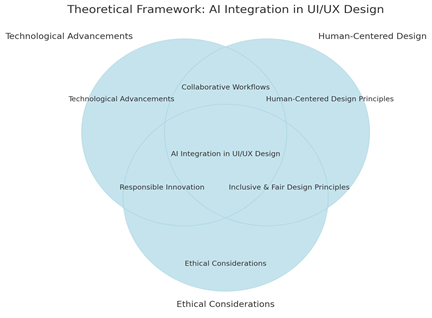
FIGURE 1. Venn diagram of AI integration in UI/UX design
II. METHODOLOGY
This study adopts a systematic literature review approach, analyzing peer-reviewed articles, conference proceedings, and industry reports published between 2021 and 2024. Databases such as IEEE Xplore, ACM Digital Library, and Scopus were queried using keywords like "AI in UI design," "AI-driven UX," and "design automation." Inclusion criteria focused on studies that directly address AI applications in UI/UX, while exclusion criteria eliminated articles with a purely theoretical focus or unrelated to design. This review selected a sample of n=15 articles and also incorporates insights from "Artificial intelligence (AI) for user experience (UX) design: a systematic literature review and future research agenda" by [2], which provides a comprehensive analysis of 46 articles highlighting AI's role in enhancing efficiency, creativity, and design accuracy in UX processes. AI’s potential benefits and limitations, including challenges in understanding user emotions and adapting to unforeseen needs [6], were also explored.
The selected n=15 articles were verified according to the inclusion criteria and utilized in the current systematic review. The selection of studies for this review was guided by predefined inclusion and exclusion criteria, as shown in Table 3.
TABLE III
INCLUSION AND EXCLUSION CRITERIA
Inclusion Criteria |
Exclusion Criteria |
|---|---|
Peer-reviewed articles, conference papers, and industry reports |
Articles without empirical evidence or real-world applications |
Studies published between 2021 and 2024 |
Studies published before 2021 |
Research focusing on AI applications in UI/UX design |
Articles unrelated to UI/UX or AI |
Works emphasizing design automation, personalization, or accessibility |
Theoretical discussions with no practical insights |
Publications in English |
Publications in other languages without accessible translations |
KEYWORDS AND BOOLEAN OPERATORS USE FOR SEARCH
Keywords / Synonyms |
Boolean Operator |
|---|---|
“artificial intelligence” OR AI OR “machine learning” OR “deep learning” OR “generative AI” OR “intelligent systems” |
OR |
“user experience” OR “user interface design” OR “UI design” OR “UX design” OR “interaction design” OR usability OR HCI |
OR |
design process” OR “design methodology” OR prototyping OR “user-centered design” OR personalization OR automation |
OR |
ethics OR transparency OR accountability OR privacy OR bias OR trustworthiness |
OR |
Peer-reviewed OR Journal OR Conference |
AND |
2021–2024 |
AND |
NOT robotics OR NOT gaming |
NOT |
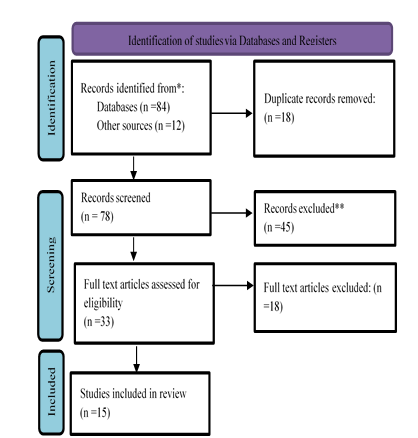
FIGURE 1. PRISMA flow diagram for study selection in review
III. RESULTS
This section is a synthesis of findings of selected studies concerning the adoption of Artificial intelligence (AI) in UI/UX design. The literature shows that the contributions have a vast variety of them including heuristic development and the automation tools, ethical implications as well as users’ perceptions. Several studies point toward the successful impact of AI in improving productivity and supporting design activity. For example, the investigation [12] indicates that AI tools do significantly simplify UX workflows with automation, including such things as behavior analysis and A/B testing, especially in agile contexts. Alike, the research [13] approached the topic by presenting AI-derived design heuristics, which provide conceptual impetus but accept their practical applicability in real UX environments is meager. Other tools of generative and intelligent interfaces were also examined. In [7], it is discovered that although AI can help in supporting graphical interface design aspects, the practitioners tend to continue using manual, design-thinking methods. [14] stressed that the adaptive, AI-guided web interfaces enhance usability, but provided insufficient guidance on how to implement them.
Designers’ role in AI assisted workflows emerged as a recurring theme. Studies [9] and [10] illustrate how designers are not outright enthusiastic about the role of AI but fearful of its effect on reliability, jobs and ethical impermanence. These results bring out a conflict between the efficacy of AI and human empathy, creativity and intuition in designing. According to [2], AI was found useful in early design stages like requirement gathering and assessment but the authors also stated the need for a more elaborate collaborative framework of humans and AI systems. This outlines an important area in future research: Developing co-creative tools that assist rather than that replace human designers.
While the reviewed literature offers valuable insights, notable gaps remain:
- Limited empirical studies validating AI’s effectiveness in live design settings.
- Sparse exploration of emotional engagement and personalization beyond functional efficiency.
- A lack of comprehensive frameworks for ethical implementation and long-term designer-AI collaboration.
These gaps affirm the need for future research focused on operationalizing ethical design, enhancing AI's emotional intelligence, and building robust, human-centered AI design workflows.
IV. DISCUSSION
The literature review and analysis show that Artificial Intelligence (AI) is changing the field of UI/UX design becoming more efficient, usable and personalized. AI is now being used by current methodologies to automate repetitive tasks, analyze user behavior, and help with novel design process. As pointed out by [2] and [3], generative AI, emotional AI and adaptive interfaces tools have allowed to design better targeted and enjoyable experiences. They facilitate workflow efficiency and can be used to develop dynamic and context aware systems similar to those stated in [15].
Although such advancements are encouraging but there is clear gap between AI potential and its practical usage by UI/UX professionals [7]. Most of current AI tools are targeting automating graphical tasks like layout, colours, visual elements, but they are not focusing on core part of the process such as user research, usability testing and contextual inquiry. However, creation of human centred designs which are aligned with user's needs and behaviour is possible by using these design thinking activities. To address this gap the AI tools need to evolve from simply doing the graphical based automation and become actively supporting human centred design processes, even in areas of user research and iterative design testing. Incorporating AI to these phases of ‘design process’ can help sharpen more inventive, personalized and user-oriented solutions [16].
Although the integration of AI in UI/UX design practices empowers the design process but it also raises some ethical issues which need to be addressed. The major problems associated with AI driven designs such as data privacy, algorithmic bias, and transparency are critical challenges to user trust and fairness in such designs [5]. AI systems are needed now more than ever that take precedence for the ethical considerations, so that these tools act ethically and be fair with due accountability. Additionally, the limitations of the human designers when responding to unforeseen needs by the user underscore the importance of human designers in that era. The design process does not fully lend itself to AI as it cannot match the emotional intelligence and adaptability brought by a human designer [6].
Human centred AI (HCAI) principles are put forth to advocate for the transparency, the interpretability, and the ethics, when designing any AI tools. Trust is maintained through the need to ensure that AI systems are transparent in the process whereby they make decisions and are comprehensible for end users [16]. Additionally, dealing with privacy and bias, designers can design AI systems aligned with broader societal values and that put the needs of users first. To ensure these systems serve in the user experience and society in general positively ethical frameworks must be embedded in the design of AI [17].
Future research should emphasize AI algorithms’ biases, while enhancing transparency. Furthermore, other new use case areas in the fast-growing fields of augmented reality, voice interface and virtual reality can also help drive the additional opportunities for AI in UI/UX design. Speeding up the creative process as well as the generation of the multiple design options that designers can consider when formulating and developing their design ideas, AI can substantially contribute to supporting design inspiration. AI has great potential but many UX professionals are concerned about creative controls and the burden of new technologies. And reason behind this resistance is a lack of standardized AI tools, and a challenging problem of how to integrate them into existing workflows. To explore its potential on UI/UX design, designers need to be given sufficient education and support from AI and be able to work effectively with AI. Furthermore, there is the need to develop user friendly, standardized AI tools that can seamlessly plug into existing design work flows to slowly expand their usage [12].
Finally, the use of AI in the UI/UX design is revolutionizing the design process and the tool kit by generating innovative approaches and processes, but successful integration and balance of AI agents and human designer needs to be tackled taking into consideration the ethical dimension. If the design community adopts responsible practices and continues to innovate, AI can be leveraged to bring user focused, groundbreaking and equitable solutions that are a reality. The design of the future will look like finding the right balance between human empathy and creativity on one hand, technological advancements on the other, in a way of approaching design that will keep pace with changing user needs and industry requirements.
A. STUDY CONSTRAINTS AND RECOMMENDATIONSHowever, this study is limited by the range of articles reviewed, overwhelmingly in the English language. In future survey could include a broader range of sources, and regional variation in AI applications could be explored. To address the ethical aspects and explore the possibilities of using AI in UI/UX design processes, designer and AI expert together with the policymakers are needed to work collaboratively. In addition, [3] emphasizes that ethical considerations should also be a central factor in an AI application in UI/UX processes.
One major challenge in the adoption of AI among UX professionals is that the slow acceptance of AI is because it leads to loss of control on creativity, as well as complexity [12]. Moreover, standardized AI tools are missing in order to integrate into existing workflows, and indeed it is still unclear what the real-world impact of AI has on long term design effectiveness. In addition, moral frameworks are being generated but there is work still to be done to design them with sufficient breadth and flexibility for use in different environments within the design field [17].
Finally, while AI provides great potential to change and innovate the UI/UX design, there is a need to work on overcoming the technological, ethical, and adoption challenges to enable the successful use of AI and continue to have it remain user centered and fair.
Author Contribution
Afshan Jamal: conceptualization methodology writing- original draft. Ayesha Qamar: supervision. Mamoona Zahid: writing- review and editing
Conflict of Interest
The authors of the manuscript have no financial or non-financial conflict of interest in the subject matter or materials discussed in this manuscript.
Data Availability Statement
Data supporting the findings of this study will be made available by the corresponding author upon request.
Funding Details
No funding has been received for this research.
Generative AI Disclosure Statement
The authors did not used any type of generative artificial intelligence software for this research.
REFERENCES
- Xu, Y. Liu, H. Xu, and H. Tan, “AI-driven UX/UI design: Empirical research and applications in FinTech,” Int. J. Innov. Res. Comput. Sci. Technol., vol. 12, no. 4, pp. 99–109, Jul. 2024, doi: https://doi.org/10.55524/ijircst.2024.12.4.16.
- Å. Stige, E. D. Zamani, P. Mikalef, and Y. Zhu, “Artificial intelligence (AI) for user experience (UX) design: A systematic literature review and future research agenda,” Technol. People, vol. 37, no. 6, pp. 2324–2352, Aug. 2023, doi: https://doi.org/10.1108/itp-07-2022-0519.
- Gonçalves and A. G. N. A. Oliveira, “The impacts of AI on creative processes in UX/UI project development: A comprehensive review,” Presented at Proc. IX Int. Symp. Innov. Technol, 2023. [Online]. Available: https://pdf.blucher.com.br/engineeringproceedings/siintec2023/305955.pdf
- van Lierop, The Impact of AI in the Field of UX, B.Sc. thesis, Haaga-Helia Univ. Appl. Sci., 2022. [Online]. Available: https://www.theseus.fi/handle/10024/744823
- Pepper Square. “The double-edged sword: Ethical implications of AI in UI/UX design.” Medium.com. [Online]. Available: https://medium.com/pepper-square/the-double-edged-sword-ethical-implications-of-ai-in-ui-ux-design-14e5a8858d6f (accessed Mar. 10, 2025).
- K. Sunitha et al., “The impact of AI on human roles in the user interface & user experience design industry,” Int. J. Sci. Res. Eng. Manag., vol. 8, pp. 1–5, 2024, doi: https://doi.org/10.55041/ijsrem29692.
- Lu, C. Zhang, I. Zhang, and T. Jia-Jun Li, “Bridging the gap between UX practitioners’ work practices and AI-enabled design support tools,” in Proc. CHI Conf. Human Fact. Comput. Syst., New Orleans, LA, USA, 2022, doi: https://doi.org/10.1145/3491101.3519809.
- Knearem, M. Khwaja, Y. Gao, F. Bentley, and C. E. Kliman-Silver, “Exploring the future of design tooling: The role of artificial intelligence in tools for user experience professionals,” in Proc. CHI Conf. Human Fact. Comput. Syst., Hamburg, Germany, 2023, doi: https://doi.org/10.1145/3544549.3573874.
- Yoon and S. Jun, “Ethical awareness of UXers in the loop: Ethical issues in the UXer–AI collaboration process from a UX perspective,” in Proc. Int. Conf. Hum.-Comput. Interact. Mobile Devices Serv., 2023, pp. 1–6, doi: https://doi.org/10.1145/3565066.3608691.
- M. Chaudhry, “Concerns and challenges of AI tools in the UI/UX design process: A cross-sectional survey,” in Extended Abstracts of the CHI Conf. Hum. Factors Comput. Syst., 2024, pp. 1–6, doi: https://doi.org/10.1145/3613905.3650878.
- Grigera, J. P. Espada, and G. Rossi, “AI in user interface design and evaluation,” IT Prof., vol. 25, no. 2, 2023, doi: https://doi.org/10.1109/MITP.2023.3267139.
- Padmasiri, P. Kalutharage, N. Jayawardhane, and J. Wickramarathne, “AI-driven user experience design: Exploring innovations and challenges in delivering tailored user experiences,” in Proc. 8th Int. Conf. Inf. Technol. Res., Colombo, Sri Lanka, 2023, doi: https://doi.org/10.1109/ICITR61062.2023.10382802.
- Jin et al., “Design heuristics for artificial intelligence: Inspirational design stimuli for supporting UX designers in generating AI-powered ideas,” in Proc. CHI Conf. Hum. Factors Comput. Syst. (CHI), May 2021, pp. 1–14, doi: https://doi.org/10.1145/3411763.3451727.
- Costa, F. Silva, and J. J. Moreira, “Towards an AI-Driven User Interface Design for Web Applications,” Proc. Comput. Sci., vol. 237, pp. 179–186, 2024, doi: https://doi.org/10.1016/j.procs.2024.05.094.
- Virvou, “Artificial Intelligence and User Experience in reciprocity: Contributions and state of the art,” Int. J. Intell. Decision Technol., vol. 17, no. 1, pp. 73–125, 2023, doi: https://doi.org/10.3233/IDT-230092.
- Heier, “Design intelligence—Taking further steps towards new methods and tools for designing in the age of AI,” in Proc. Int. Conf. Hum.-Comput. Interact., Cham, Switzerland: Springer Int. Publ., Jul. 2021, pp. 202–215, doi: https://doi.org/10.1007/978-3-030-77772-2_13.
- McAran, “Privacy, ethics, trust, and UX challenges as reflected in Google’s People and AI Guidebook,” in Proc. Emerg. Chall. AI UX, Cham, Switzerland: Springer Int. Publ., 2021, doi: https://doi.org/10.1007/978-3-030-77750-0_38.