

| Review | Open Access |
|---|
A Human-Centered Design Framework for Intuitive Mobile AR in Medical Learning |
 |
|---|
 Mian Usman Sattar1* , Hamza Wazir Khan2, Raza Hassan3, and Atif Hassan4
11University of Derby, United Kingdom
2Namal University, Mianwali, Pakistan
3Southampton Solent University, United Kingdom
4Beaconhouse National University, Lahore, Pakistan
Recent technological advancements have revolutionized the way individuals experience their surroundings. Emerging research has investigated the potential of utilizing Augmented Reality (AR) to enhance user experiences. This study examined the use of augmented reality applications to augment students' intrinsic learning motivation. The research analyzed various factors influencing how augmented reality applications contribute to students' intrinsic motivation. The study focused on the field of medicine, and the participants were medical students who participated in various surveys. Statistical t-tests were employed to compare the mean values of different learning methodologies. The statistical results showed the value of p=0.000, indicating that the results of this research are generalizable. The results showed an overall intrinsic motivation difference of 5.8 for augmented reality learning compared to text-based learning across competence, enjoyment, control, effort, value, and tension. These indicate statistically significant differences between the two learning methods. Finally, the study validated that the intrinsic motivation of medical students' learning experience through augmented reality is higher than that of text-based learning.
1. INTRODUCTION
Augmented reality (AR) is an innovative technology that seamlessly blends digital data with the real world, resulting in a captivating and engaging experience for users. By overlaying computer-generated 3D models, text, images, animations, and other multimedia content onto the user's view of the real environment, AR enables virtual elements to coexist and interact with real-world objects and surroundings. This integration of digital and physical realities allows users to perceive and manipulate virtual content as if it exists within the same space (George et al., 2023; Kamphuis et al., 2014).
There are two main types of AR systems: pass-through AR, and see-through AR. The first type captures real-world images with a camera and projects them on a screen with virtual enhancements. Smartphone AR apps are examples of pass-through AR. On the other hand, see-through AR directly captures the real world with a transparent display, such as smart glasses or head-mounted displays (Parsons & Maccallum, 2021).
See-through AR offers a more realistic representation of the real world, since the virtual elements are overlaid in the same visual field. Key enabling technologies for AR include intelligent display hardware like HMDs and handheld screens, 3D registration or border adjustment, simple interaction mechanisms for the user interface, as depicted in Figure 1 (Azuma et al., 2001). Recent advancements in mobile computing, computer vision, and tracking algorithms have driven the development of more sophisticated and accessible AR applications across various domains, including education, healthcare, manufacturing, and entertainment. The latest literature highlights emerging trends in AR, such as the integration of AR with other technologies like virtual reality (VR) and artificial intelligence (AI), the development of marker less and location aware AR systems, and the exploration of new interaction modalities like gesture control and context-aware interfaces (Turk & Fragoso, 2015).

Figure 1 Human Anatomy Through Augmented Reality
AR has found significant applications in the medical field, revolutionizing the way medical professionals are trained and educated. Surgeons and medical students can now practice complex procedures and gain a deeper understanding of human anatomy through immersive AR simulations. These reality-based learning experiences allow for practical training on mannequins, with AR applications displaying the entire internal body, from minor veins to major arteries, enabling better comprehension and application of theoretical concepts in near-real-life situations (Syed et al., 2022; Tene et al., 2024). AR has brought numerous benefits to the medical field, including reliable and practical assessment methods for students. As illustrated in Figure 2, reality-based practical tests facilitated by AR deliver more accurate evaluations than traditional theoretical exams, as the field of medicine is fundamentally practical. Among the numerous advantages of AR, intrinsic motivation is one of the most significant, as it enhances engagement and learning outcomes (Parekh et al., 2020).

Figure 2 Medical Learning through AR
AR applications have also found widespread adoption in various other sectors, such as security training, firefighting, gamification, marketing, teaching, manufacturing, and many others, demonstrating the versatility and potential of this innovative technology (Dhar et al., 2021). Learning through AR experience is shown in Figure 2.
Literature Review
Potential Benefits of Augmented Reality in Medical EducationSeveral studies and industrial reports back up the idea that augmented reality (AR) could significantly enhance medical education. The projected growth of AR technology, with an estimated 1.73 billion active devices by 2024, indicates its increasing adoption and relevance in various domains, including healthcare education (Korre & Sherlock, 2023; Sattar et al., 2019).
Research by PwC suggests that adopting AR for medical education can lead to substantial cost savings, with a 52% decrease in expenses compared to conventional classroom methods when implemented for 3,000 students. This result highlights the cost-efficiency of AR applications, which can reduce the need for expensive physical resources like anatomy theatres and cadavers. AR technologies enable remote access to training, removing geographical barriers and providing convenience to medical education anytime and anywhere. This feature increases the inclusivity and flexibility of medical training programs, allowing students to acquire skills without the limitations of physical location or specialized equipment (Sun et al., 2023).
AR has been increasingly used to simulate real and immersive experiences in medical training while ensuring patient safety. By modelling high-risk scenarios and procedures in a controlled virtual environment, AR applications prove to be a viable educational opportunity for learners as it allows students to practice their skills and responsiveness without endangering human lives. Both studies and industry research confirm that AR can improve visualization, interaction, and contextualization of learning in medical education. The use of AR contributes to better knowledge retention, skill development, and overall preparedness among students for their clinical practice. It also helps eliminate barriers of inaccessibility, high costs, and ethical concerns for patients (Zhao et al., 2023).
Augmented reality technology seems to be a highly prospective tool applied to medical education. It provides learners with an immersive and interactive learning experience. First of all, it improves visualization as well as spatial understanding. Furthermore, the technology is useful to promote skill development. The reports and studies of the way immersed technologies can be combined into healthcare training programs are fully justified as well as promising for medical students and professionals. Some 3D visualization software will likely be developed and then employed for such programs in the near future. One of the advantages is that the technology provides a possibility for intricate 3D anatomy visualizations. Computer-generated models can be overlaid into the real world, allowing students to explore the intricate structural dimensions of spatial relationships and connectedness within the body of a human being from different angles and perspectives. This can be useful and intriguing for a student, and the latter demonstrates more interest in what is learned, and, thus, the comprehension of some challenging anatomical phrases and concepts becomes doubly comprehensible. In-situ visualization is also possible, that is, digital content can be overlaid, thus being nicely and perfectly combined with a real-world context. Such a context can be physically represented as in a patient’s case or in an actual model’s case (Djibril & Çakır, 2023; Suresh et al., 2023; Tang et al., 2019).
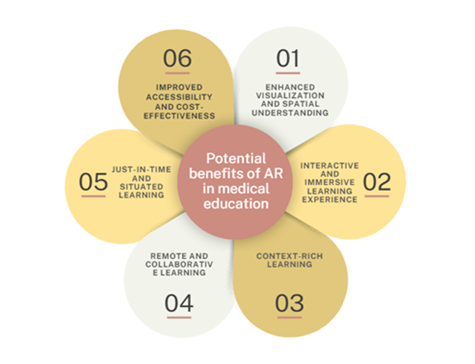
Figure 3Potential Benefits of AR in Medical Education
Figure 3 illustrates the potential benefits of AR technology in medical education. This type of learning experience creates a link between academic information and practical application. Not only does it improve spatial awareness and comprehension, but it also allows for the visualization of abstract or invisible concepts that cannot be observed directly, such as blood flow, nerve pathways, or cellular reactions. By using AR technology, constant access to visualizations and animations of these processes can be kept, which significantly helps in comprehending complex spatial dynamics and relationships that are difficult to understand (Quqandi et al., 2023; Taghian et al., 2023). AR also enhances traditional notebooks in medical imaging. For example, it can overlay virtual annotations, labels, or even 3D models onto 2D image sets or MRI/CT scans, thereby improving diagnostic skills and spatial understanding of medical images. Moreover, several AR-based applications offer simulations of medical procedures and surgeries in a safe, risk-free environment. Thus, medical students can practice various surgical techniques interactively. Their progress can be guided by virtual tablets, labels, or even 3D models which are to be overlaid onto the simulated surgical field (Gualtieri et al., 2023; Wu et al., 2020).
Augmented reality facilitates patient interaction, physical examination, and the practice of a range of procedural skills, helping students develop efficient clinical competencies in a controlled environment. The use of AR in medical education can also assist in reducing some issues regarding accessibility, cost-effectiveness, and safety of patients. According to the reports of the industry, the use of AR can help to save substantial amounts of costs. For instance, if AR tools are used for a large number of students, 52% of expenses can be greatly reduced compared to the use of other traditional classroom methods. Medical education has undergone a major change, and many medical students are taking many modern attitudes to learning different types of subjects which are very distinct from traditional learning techniques. There has been a change in the educational methodologies that have been used and it has been caused by a range of factors the modern technological progress and research on learning strategies were some significant factors affecting the change. Medical students are now receiving many different types of subjects in a very interesting, interactive, and interactive way with the use of AR and some other immersive technologies (Wu et al., 2020).

Figure 4Change in Learning Paradigm - From Conventional to Contemporary
Figure 4 signifies the shift in the learning paradigm. AR technologies provide an opportunity to remotely engage in training, which results in the elimination of geographical barriers or the limitation of access to some people. Medical education may become accessible at any point and anywhere. Further, by creating a virtual type of controlled and safe environment and planning and simulating high-risk episodes and processes, the AR applications become a strong tool to assist students’ development of their skills, and the critical judgment needed to succeed in their field (Gualtieri et al., 2023). Overall, search results demonstrate that augmented reality technology is flexible and can be applied in medical education. It helps create immersive and context-based learning experiences that may contribute to a better acquisition of knowledge and the development of skills. However, the effectiveness of such programs requires further research to allow for a better understanding of how AR can be integrated and whether it is actually ready for an extensive spread and a large-scale implementation as part of a standard curriculum (Tokumasu et al., 2022).
Intrinsic Motivation and Medical EducationIntrinsic motivation has been defined as “motivation that arises from the sheer joy and pleasure of the activity itself”. The role of intrinsic motivation in increasing the effectiveness of practical training for medical students is hard to underestimate. The medical field is not only about treating patients with different diseases but also about the necessity of acquiring practical knowledge and specific skills. Most of these competencies can only be learned within the frame of clinical practice. That is why practical training is of utmost importance when it comes to training doctors (Dalanbayar et al., 2023).
Traditionally, mannequins have been used for secondary medical training, providing the structure of the human body, along with the imprints of veins, arteries, and other anatomical differences. While these practices were helpful, they lacked the level of interaction and realism required for effective learning. With this way of practicing, students often felt more independent and undemanding in their studies, as they were aware that they were working with mannequins and not real human bodies. Sometimes participants did not have the proper activity, as the objects with which they worked were not real bodies. At the same time, participants worked under the guidance of a teacher, who remained the primary source of knowledge (Neufeld, 2021).
During training, the extent of intrinsic motivation an individual can experience may be limited to the use of mannequins for some biological and medical procedures. However, the absence of a real person to work with in these simulations is likely to reduce the level of intrinsic motivation, as real-life situations tend to foster higher motivation. This is particularly true because real life scenarios pose risks for both patients and professionals in some situations, which can further motivate individuals to engage with the learning process more seriously (Kunanitthaworn et al., 2018).
In addition, research has shown that medical students’ intrinsic motivation is positively correlated with their technical competence, as intrinsically motivated individuals often devote more time and effort to practising their skills. When relating to their patient-care skills, intrinsically motivated medical students take them more seriously. Furthermore, their motivation is associated with a lower likelihood of giving up when they face challenges and a great willingness to learn. Paired with higher participation in their practical learning, it leads to good academic performance. Overall, intrinsically motivated students feel more comfortable in their roles and possess higher task-related self-efficacy. They are also more likely to establish positive relationships with their patients (de Azevedo et al., 2020; Zalts et al., 2021). Intrinsic motivation is particularly beneficial since it generates a desire to master core clinical skills and techniques. This internal drive pushes medical trainees to seek out additional opportunities for practice, leading to a high level of technical knowledge and impeccable professional skills. In addition, such an internal need develops advanced communicative competence and interpersonal skills, stimulates empathy, and ensures that students remain patient-centered (Gayef et al., 2023; Jdaitawi et al., 2023).
Distinguishing medical students’ learning styles and intrinsic motivations can facilitate their involvement in practical learning. Students are more likely to engage in simulations, clinical rounds, and other hands-on learning activities when the nature of the educational program is in line with their intrinsic motives for learning. Researchers have found a direct link between intrinsic motivation and academic performance in medical students, which is not surprising. Intrinsically motivated students tend to exert more effort, persevere in the face of obstacles, and perform well academically. Further, practical learning domains that are centered around intrinsic motivation, such as reality-based simulations, problem-oriented instruction, and participatory case studies, vastly improve the overall learning experience for medical students. By incorporating the intrinsic motivations of students into teaching practices, educators can create an enriching environment that fosters curiosity, play, and true leadership in their learned field (Altikulaç et al., 2024; Dalanbayar et al., 2023).
Research HypothesisThe proposed research aims to investigate the implications of augmented reality (AR) technology on enhancing intrinsic motivation among medical students compared to traditional text-based learning methodologies. The hypothesis is formulated as follows:
H1: Medical students' intrinsic motivation, as measured by factors such as enjoyment/interest, perceived competence, pressure/tension, value/usefulness, perceived choice, and effort/importance, will be relatively higher when engaged in AR-based learning compared to text-based learning methodologies.
To ensure the reliability and validity of the research findings, the hypothesis will be empirically tested through a rigorously designed experimental study.
Research Methodology
The study employed a comparative experimental design to investigate the impact of text-based and augmented reality (AR)-based learning methodologies on intrinsic motivation among medical students.
This study included respondents from four private and three public medical colleges, which served as a sample unit. The study was conducted seven months after receiving ethical permission (IPS/PIN/P18030023). Data were collected from seven medical colleges in Pakistan. This study was supported by respondents from Fatima Memorial College of Medicine and Dentistry in Lahore, Lahore Medical and Dental College in Lahore, Sharif Medical and Dental College in Lahore, the University of Lahore in Lahore, Faisalabad Medical University in Faisalabad, Sheikh Zayed Medical College in Rahim Yar Khan, and Allama Iqbal Medical College in Lahore. The study sample consisted of 4th year medical students, with a total population of 825 students. The simple random sample technique was employed, and students were randomly selected from a list provided by institutions. This study included a sample size of 106 volunteers, 47 girls and 59 males, from seven medical colleges. English was the predominant language for instruction and learning methods across all participating institutions.

Figure 5Volunteers’ Demographics
Figure 5 illustrates the demographic information for the research participants. The majority of students were male (55.7%), indicating a fair gender distribution. Most of the participants came from the institution named PMC, although the difference was not significant, ensuring nearly equal numbers of respondents from each institution, with the exception of one institution, KEU. Participants were recruited through voluntary announcements in their respective medical colleges and contacted through face-to-face meetings. All participants were provided with a chapter on cardiovascular diseases from a medical textbook for learning purposes. The experimental design involved two groups: a control group that received the text-based learning material and an experimental group that utilized the AR-based learning application. Participants were randomly assigned to either group to ensure an unbiased distribution of individual characteristics and minimize potential confounding factors. After that, the group activities were changed. The group that performed AR-based learning activities then performed text-based learning, and the group that performed text-based learning then performed AR-based learning.
This study assessed and compared the multiple dimensions of intrinsic motivation of medical students engaged in text-based learning and augmented reality (AR) learning methodologies. The assessment of intrinsic motivation was conducted through a pre-validated survey instrument adapted from the Intrinsic Motivation Inventory (IMI). The instrument items were adapted, and changes were made as per the setting of the sample unit. The face validity of the instrument was completed by 5 PhD of three different educational institutes (University of Management and Technology, University of Central Punjab and Forman Christian College University) of Pakistan. The study's step-by-step complete methodology is illustrated in Figure 6.
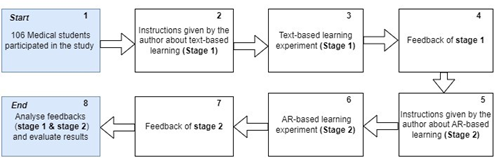
Figure 6Proposed System Method Diagram
The AR application was generated in Unity 2022 and the Vuforia SDK in the C\# programming language. This application allowed for the creation of an engaging and highly interactive learning environment by superimposing virtual 3D models, animations, and additional information over the natural environment, causing the pupils to interact with and monitor the content actively.
The persistent measures ensured are rigorous for the study’s validity and reliability. The experimental protocol was standardized, and all the participants within their respective groups received identical instructions and learning materials.
Learning conditions were controlled, and the environment was systematically designed to ensure minimal distractions from external influences. Ethical considerations were paramount throughout the research. The participants gave their informed consent, and their anonymity and confidentiality were maximally upheld. The study followed the ethical guidelines and protocols set regarding human subjects.
Pseudo Code of the StudyThe pseudo-code of this comparative study is given below:
Step 1: Volunteer Selection
Recruit volunteers from 7 different medical colleges.
Step 2: Text-Based Learning Instruction
Provide instructions to the volunteers about the text-based learning experience.
Step 3: Text-Based Learning Experience
Volunteers will engage in the text-based learning experience.
Step 4: Text-Based Learning Feedback
Upon completion of the text-based learning experience, volunteers will provide
feedback using the Intrinsic Motivation Inventory (IMI) instrument.
Step 5: Augmented Reality (AR) Learning Instruction
Provide instructions to the volunteers about the AR-based learning experience.
Step 6: AR-Based Learning Experience
Volunteers will engage in the AR-based learning experience.
Step 7: AR-Based Learning Feedback
Upon completion of the AR-based learning experience, volunteers will provide feedback using the Intrinsic Motivation Inventory (IMI) instrument.
Step 8: Data Analysis
Analyze the feedback from both the text-based and AR-based learning experiences to evaluate the research hypothesis.
Experimental Settings Stage 1The experimental procedure involved providing instructions to the participants at the outset of this stage. This stage entailed revising theoretical concepts from relevant books and notes.
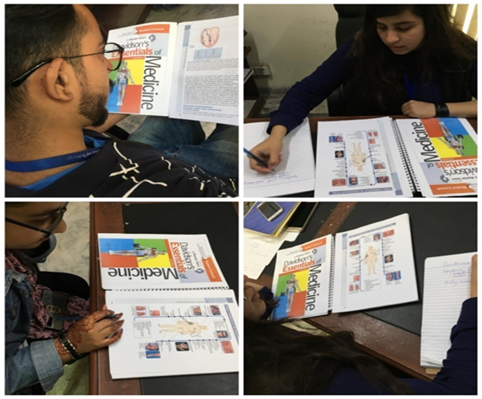
Figure 7Text-based Learning
The book used to assess the participants' responses was "Davidson's Essentials of Medicines". As illustrated in Figure 7, the participants were instructed by the researcher to read a topic from the chapter on cardiovascular diseases for learning purposes. Furthermore, Fig. 8 elucidates the specific topic images that were employed in the experiment.
After completing the reading task, the participants were requested to complete an intrinsic motivation survey. The survey encompassed questions pertaining to the participant's experience and the effectiveness of learning derived from reading the chapter.
The experimental protocol involved the following steps:
- Participants received detailed instructions from the researcher regarding the experimental procedure.
- Participants engaged in a theoretical review phase, wherein they consulted relevant books and notes.
- The primary reference material utilized was "Davidson's Essentials of Medicines."
- As depicted in Figure 7, participants were instructed to read a specific topic from the chapter on cardiovascular diseases for learning purposes.
- Figure 8 illustrates the topic images that were incorporated into the experimental materials.
- Figure 8 Upon completion of the reading task, participants were administered an intrinsic motivation survey.
- Upon completing the text-based learning experience, participants were requested to complete the Intrinsic Motivation Inventory (IMI) survey. This validated psychometric tool aimed to assess participants' intrinsic motivation levels and subjective experiences related to the text-based learning methodology.
The Figure 8 illustrates the selected topic of cardiovascular diseases, a group of disorders that affect the heart and blood vessels for the study. This experimental design allowed the researchers to investigate the impact of different learning modalities on intrinsic motivation among medical students while adhering to rigorous methodological standards.

Figure 8Cardiovascular Diseases
Stage 2The experimental protocol involved the following steps:
- The primary researcher provided detailed instructions and an overview of the procedure to the participants at the outset of this stage.
- Participants were then requested to engage in learning the same topic through an AR-enabled book.
- Figure 9 featured a diagram of a heart exam. By scanning this diagram with their AR app, students could unlock an interactive video that guided them through the process.
- This video contained comprehensive information related to the clinical examination of the cardiovascular system.
- If participants moved the mobile device away from the picture during the video playback, the video would automatically pause.
- Upon rescanning the picture, the application provided participants with the option to either resume the video from the point where they had previously stopped or to restart the video from the beginning.
- As participants continued reading, they had the opportunity to scan the diagram of the sinus rhythm, which triggered the display of a 3D model of the heart.
- Participants could observe and interact with the 3D heart model from various angles and perspectives, facilitating a more immersive and interactive learning experience.
- After completing the AR-based learning experience, each participant was requested to complete a survey to provide feedback on their subjective experience.
- On average, each participant spent approximately 1.2 minutes performing the AR-based learning task and 1.4 minutes providing feedback through the survey.
- Upon completing the AR-based learning experience, participants were requested to complete the Intrinsic Motivation Inventory (IMI) survey.

Figure 9Augmented Reality-Based Learning
The researchers ensured a rigorous and standardized experimental protocol, allowing for a controlled and systematic investigation of the impact of AR-based learning on participants' intrinsic motivation and overall learning experience.
The paired t-test is used when the two samples are related or paired, such as before-and-after measurements on the same subjects or a comparison of two treatments applied to the same individuals.
Experimental OutcomesThis study conducted a comparative assessment of various dimensions of intrinsic motivation among medical students engaged in text-based and augmented-reality learning. The assessment of intrinsic motivation was conducted by a pre-validated survey of the IMI characteristics.
The study aimed to determine the influence of two types of learning on medical students’ intrinsic motivation levels. The survey included six dimensions: interest/enjoyment, perceived competence, effort, value/usefulness, perceived choice, and felt pressure/tension. Each dimension included between 6 and 7 items. The respondents had to rate each item on a 7-point Likert scale. On this scale, 1 indicated strong disagreement with the statement, and 7 represented strong agreement.
Thus, all the survey items pertaining to each of the intrinsic motivation dimensions were thoughtfully and meticulously tailored to create a detailed and all-encompassing assessment of the participants’ subjective experiences and consciousness in relation to their learning process. The interest/enjoyment dimension explored how much the person fundamentally enjoyed it and experienced the intrinsic satisfaction derived from the learning activity itself. The perceived competence dimension was based on rating the participant’s confidence and self-efficacy in terms of performing the task.
The effort dimension was based on measuring the amount of time and effort and the level of importance the participant considered for the task. The value/usefulness dimension was determined by measuring the value the participant gives to activity and relatedness to the life goal. The perceived choice measured the autonomy and the control the participants thought they had related to the activity. Finally, felt pressure/tension was based on the existence of external pressure or tension which may diminish intrinsic motivation. The output of all dimensions is depicted in Figure 10.
By administering this comprehensive survey instrument to medical students engaged in both text-based and AR-based learning methodologies, the researchers aimed to gain valuable insights into the differential impact of these approaches on various facets of intrinsic motivation.
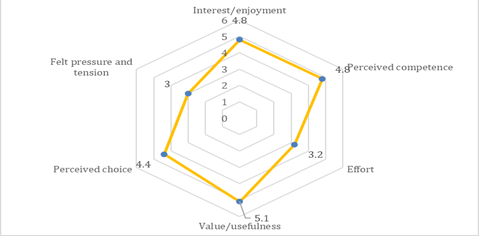
Figure 10Learning Outcomes of Text-Based Learning

Figure 11Learning Outcomes of Augmented Reality-based Learning
Figure 11 explains the motivational effects of respondents; participants got more interested and enjoyed learning through augmented reality. Mean values of augmented reality during learning competency and pleasure is also higher than text-based learning. During the comparison, it was observed that augmented reality mean values in all 6 dimensions of intrinsic learning motivation is higher than learning through text.

Figure 12
Learning Outcomes of Augmented Reality-Based LearningFigure 12 depicts the comparison of both learning models. The paired statistical T-Test had been performed. During the statistical test, numerous abbreviations are used. Likewise, TextEnjoy for test-based learning interest/enjoyment, TextPC for text-based learning perceived competence, TextEffort for text-based learning effort, TextValue for text-based learning value / usefulness, TextPeC for text-based learning perceived choice, TextPT for text-based felt pressure / tension, AREnjoy for AR-based learning interest/enjoyment, ARPC for AR-based learning perceived competence, AREffort for AR-based learning effort, ARValue for AR-based learning value / usefulness, ARPeC for AR-based learning perceived choice, and ARPT for AR-based felt pressure / tension. Table 1 shows the results of the statistical test.
To verify the proposed hypothesis, a paired sample t-test was employed as the statistical analysis technique. Prior to applying the test using SPSS-22 software, all necessary assumptions were rigorously confirmed to ensure the validity and reliability of the results. The hypothesis H1, which stated that intrinsic motivation (based on enjoyment/interest, perceived competence, effort/importance, value/usefulness, perceived choice, and pressure/tension) of medical students engaged in augmented reality (AR) learning would be relatively higher than those engaged in text-based learning methodologies, was accepted. The statistical analysis provided empirical evidence supporting the hypothesis, indicating a significant difference in intrinsic motivation levels between the two learning approaches. This finding underscores the potential of AR technology to enhance intrinsic motivation and foster a more engaging and effective learning experience for medical students.
Table 1. Paired Sample t-Test of Experiment
| Pair | M | SD | SE | 95% CI | t | df | p | |
|---|---|---|---|---|---|---|---|---|
| LL | UL | |||||||
| TextEnjoy - AREnjoy | -1.02 | 1.67 | 0.16 | -1.34 | -0.70 | -6.28 | 105 | 0.00 |
| TextPC - ARPC | -1.05 | 1.60 | 0.16 | -1.36 | -0.74 | -6.74 | 105 | 0.00 |
| TextEffort - AREffort | -0.98 | 2.01 | 0.19 | -1.37 | -0.59 | -5.04 | 105 | 0.00 |
| TextValue - ARValue | -1.11 | 1.56 | 0.15 | -1.41 | -0.81 | -7.34 | 105 | 0.00 |
| TextPeC - ARPeC | -0.38 | 1.69 | 0.16 | -0.71 | -0.06 | -2.34 | 105 | 0.02 |
| TextPT - ARPT | -1.21 | 1.56 | 0.15 | -1.51 | -0.91 | -8.01 | 105 | 0.00 |
Discussion
The results presented indicate a statistically significant difference between the mean scores of text-based and augmented reality (AR) conditions across various measures. The paired sample t-test was employed to compare the means of the differences between the two conditions.
For the measure of enjoyment (TextEnjoy-AREnjoy), the mean difference was -1.01972 with a standard deviation of 1.67228. The test statistic value of -6.278 and a p-value of 0.000, which is less than the significance level of 0.05, suggests that the mean enjoyment score for the text-based condition significantly differed from the mean enjoyment score for the AR condition. Similarly, for perceived control (TextPC-ARPC), the mean difference of -1.05038 (SD = 1.60569), test statistic of -6.735, and p-value of 0.000 indicate a significant difference between the text-based and AR conditions. The measure of perceived effort (TextEffort-AREffort) yielded a mean difference of -0.98113 (SD = 2.00619), a test statistic of -5.035, and a p-value of 0.000, suggesting a significant difference in perceived effort between the two conditions.
For perceived value (TextValue-ARValue), the mean difference was -1.11311 (SD = 1.56246), with a test statistic of -7.335 and a p-value of 0.000, indicating a significant difference in perceived value between the text-based and AR conditions. The measure of perceived competence (TextPeC-ARPeC) showed a mean difference of -0.38500 (SD = 1.69174), a test statistic of -2.343, and a p-value of 0.021, which is less than the significance level of 0.05, suggesting a significant difference in perceived competence between the two conditions. Finally, for perceived tension (TextPT-ARPT), the mean difference was -1.21132 (SD = 1.55627), with a test statistic of -8.014 and a p-value of 0.000, indicating a significant difference in perceived tension between the text-based and AR conditions. The overall comparison of all dimensions and intrinsic motivation in both text and augmented reality-based learning is depicted in Figure 13.
The results demonstrate that the mean scores for enjoyment, perceived control, perceived effort, perceived value, perceived competence, and perceived tension significantly differed between the text-based and augmented reality conditions, with the text-based condition generally scoring higher than the AR condition across these measures.
This analysis illustrated that the implementation of augmented reality applications in education helped to motivate medical students who were more satisfied with their learning outcomes than before. As seen in table 1, the difference between the mean values AR and text-based learning scores was the largest for the value/usefulness. In summary, statistical analysis confirmed the high level of effectiveness of learning with the help of an AR for medical students compared to the learning, based on books and theoretical relevance.

Figure 13Comparison of Intrinsic Motivation in Text and AR-Based Learning
It is important to highlight that the results of the study demonstrate that the integration of augmented reality technologies in the education process significantly enhances the level of students’ learning and satisfaction. Besides, this improvement is associated with higher intrinsic motivation compared to traditional text-based methodologies. Furthermore, the difference between the mean values of AR and text-based learning is the highest for the value/usefulness dimension. In other words, medical students find learning through AR more useful and valuable. In addition, the statistical analysis supports the conclusion that learning using AR technologies is better for medical students compared to traditional learning, which rely on books and theoretical concepts.
The results of this study concur with other studies that have highlighted the engaging nature of technology-enhanced learning. The findings indicate that students are more likely to participate and engage in their experiments and other learning activities when technology is used. Such studies continue to add to the increasing body of application of AR in medical education, where the use of technology results in students’ better learning outcomes as well as their satisfaction. Thus, the study’s findings provide a compelling case for adopting AR in medical education to enhance students’ learning, motivation, and skills.
Although the study has some potential limitations, such as the size of the sample, the specific AR applications, or the length of the learning experience, that can potentially affect its credibility and applicability, the results are theoretically valid. Some future research studies will be important in testing the study’s implications. For instance, such research should involve adopting AR in e-learning, continuing medical education or other forms of education. It should use large-scale studies and involving more than one medical school in Saudi Arabia and other countries with similar contexts. The research should also compare the use of other forms of technology and AR applications to determine potential long-term effects.
Cost, Scalability and Practical ImplementationAdopting AR-based learning in medical education means balancing its exciting benefits with practical challenges, such as cost and scale. This research indicates that using AR can make learning more engaging and boost students’ confidence, enjoyment, and overall motivation. However, integrating this technology into everyday classrooms comes with its own set of challenges, especially related to initial investment and ongoing support. By focusing on a human-centered design, the framework offers a practical blueprint for building easy-to-use mobile AR apps that can grow with the needs of diverse learning environments. Using mobile platforms helps keep costs down since updates and new features can be quickly and efficiently rolled out. Moreover, aligning these tools with clear curricular goals and providing proper training for educators ensures that the transition to AR-based learning is smooth and sustainable, ultimately enhancing the educational experience for medical students.
In Pakistan, where resource constraints and uneven access to advanced learning tools are real challenges, mobile AR presents a promising solution. With the widespread availability of smartphones and the pressing need to modernize educational methods, integrating intuitive AR systems can help bridge gaps in traditional medical education, making high-quality learning more accessible even in remote areas.
Future DirectionWhile the study highlights the benefits of AR-based learning for boosting medical students' intrinsic motivation, there's still a lot to explore. Future researchers could expand on work by comparing AR with other immersive technologies like VR, to see which one really captivates students and enhances their learning experience. At the same time, addressing challenges such as usability and accessibility is key to making sure these innovative tools can be smoothly integrated into various medical programs. By diving into these areas, future studies can not only validate our current findings but also pave the way for a more inclusive and effective approach to technology-enhanced medical education.
ConclusionThese research findings are vital for future reference, as they support the development of valuable and stimulating educational practices in the field of medical education. From this perspective, the outcomes suggest that the integration of augmented reality applications in teaching facilitates student learning and satisfaction as they become intrinsically motivated to learn. As highlighted in the literature review, technology-enhanced learning tools have a remarkable capacity to captivate students as they encourage a more engaging learning experience and increasing their participation in experiments and other types of learning activities. In this way, the findings of the study outline that the use of AR applications in teaching is associated with better student learning and satisfaction in comparison with the text-based learning methods reflecting the nature of activation. A scale of motivation uses the Intrinsic Motivation Inventory including interest/enjoyment, perceived competence, effort, value/usefulness, perceived choice, and felt pressure. Across all these dimensions, the results revealed that learning through AR applications yielded relatively higher intrinsic motivation levels compared to text-based learning.
CONFLICT OF INTEREST
The authors of the manuscript have no financial or non-financial conflict of interest in the subject matter or materials discussed in this manuscript.
DATA AVAILABILITY STATEMENT
The data associated with this study will be provided by the corresponding author upon request.
FUNDING DETAILS
No funding has been received for this research.
REFERENCES
Altikulaç, S., Janssen, T. W. P., Yu, J., Nieuwenhuis, S., & Van Atteveldt, N. M. (2024). Mindset profiles of secondary school students: Associations with academic achievement, motivation and school burnout symptoms. British Journal of Educational Psychology, 94(3), 738–758. https://doi.org/10.1111/bjep.12676
Azuma, R., Baillot, Y., Behringer, R., Feiner, S., Julier, S., & MacIntyre, B. (2001). Recent advances in augmented reality. IEEE Computer Graphics and Applications, 21(6), 34–47. https://doi.org/10.1109/38.963459
Dalanbayar, R., Damba, T.-A., & Badamdorj, O. (2023, May 12–13). Academic motivation in medical education: A literature review [Paper presentation]. Proceedings of the Conference on Quality Assurance in Higher Education: Transforming education-new generation of learners, Astana, Kazakhstan. https://doi.org/10.2991/978-94-6463-382-5_20
de Azevedo, P. T. Á. C. C., de Fátima Costa Caminha, M., de Andrade, C. R. S., de Godoy, C. G., Monteiro, R. L. S., & Falbo, A. R. (2020). Intrinsic motivation of medical students from a college with active methodology in Brazil: A cross-sectional study. Revista Brasileira de Educação Médica, 43(1, Suppl. 1), 12–23. https://doi.org/10.1590/1981-5271v43suplemento1-20180229.ing
Dhar, P., Rocks, T., Samarasinghe, R. M., Stephenson, G., & Smith, C. (2021). Augmented reality in medical education: Students' experiences and learning outcomes. Medical Education Online, 26(1), Article e1953953. https://doi.org/10.1080/10872981.2021.1953953
Djibril, D. H., & Çakır, H. (2023). Students' opinions on the usage of mobile augmented reality application in health education. Journal of Learning and Teaching in Digital Age, 8(1), 10–24. https://doi.org/10.53850/joltida.1076286
Gayef, A., Çaylan, A., & Temiz, S. A. (2023). Learning styles of medical students and related factors. BMC Medical Education, 23(1), Article e42. https://doi.org/10.1186/s12909-023-04267-4
George, O., Foster, J., Xia, Z., & Jacobs, C. (2023). Augmented reality in medical education: A mixed methods feasibility study. Cureus, 15(3), Article e36927. https://doi.org/10.7759/cureus.36927
Gualtieri, L., Revolti, A., & Dallasega, P. (2023). A human-centered conceptual model for integrating augmented reality and dynamic digital models to reduce occupational risks in industrial contexts. Procedia Computer Science, 217, 765–773. https://doi.org/10.1016/j.procs.2022.12.273
Jdaitawi, M., Muhaidat, F., Alsharoa, A., Alshlowi, A., Torki, M., & Abdelmoneim, M. (2023). The effectiveness of augmented reality in improving students motivation: An experimental study. Athens Journal of Education, 10(2), 365–380. https://doi.org/10.30958/aje.10-2-10
Kamphuis, C., Barsom, E., Schijven, M., & Christoph, N. (2014). Augmented reality in medical education? Perspectives on Medical Education, 3(4), 300–311. https://doi.org/10.1007/s40037-013-0107-7
Korre, D., & Sherlock, A. (2023). Augmented reality in higher education: A case study in medical education. Cornell University. https://arxiv.org/abs/2308.16248v1
Kunanitthaworn, N., Wongpakaran, T., Wongpakaran, N., Paiboonsithiwong, S., Songtrijuck, N., Kuntawong, P., & Wedding, D. (2018). Factors associated with motivation in medical education: A path analysis. BMC Medical Education, 18(1), Article e140. https://doi.org/10.1186/s12909-018-1256-5
Neufeld, A. (2021). Autonomy-Supportive teaching in medicine: From motivational theory to educational practice. MedEdPublish, 10(1), Article e117. https://doi.org/10.15694/mep.2021.000117.1
Parekh, P., Patel, S., Patel, N., & Shah, M. (2020). Systematic review and meta-analysis of augmented reality in medicine, retail, and games. Visual Computing for Industry, Biomedicine, and Art, 3(1), Article e21. https://doi.org/10.1186/s42492-020-00057-7
Parsons, D., & Maccallum, K. (2021). Current perspectives on augmented reality in medical education: Applications, affordances and limitations. Advances in Medical Education and Practice, 12, 77–91. https://doi.org/10.2147/AMEP.S249891
Quqandi, E., Joy, M., Drumm, I., & Rushton, M. (2023). Augmented reality in supporting healthcare and nursing independent learning: Narrative review. CIN: Computers, Informatics, Nursing, 41(5), 281–291. https://doi.org/10.1097/CIN.0000000000000910
Sattar, M., Palaniappan, S., Lokman, A., Shah, N., Riaz, Z., & Khalid, U. (2019). User experience design in virtual reality medical training application. Journal of the Pakistan Medical Association, 71(7), 1730–1735. https://doi.org/10.5455/JPMA.22992
Sun, P., Zhao, Y., Men, J., Ma, Z. R., Jiang, H. Z., Liu, C. Y., & Feng, W. (2023). Application of virtual and augmented reality technology in hip surgery: Systematic review. Journal of Medical Internet Research, 25(1), Article e37599. https://doi.org/10.2196/37599
Suresh, D., Aydin, A., James, S., Ahmed, K., & Dasgupta, P. (2023). The role of augmented reality in surgical training: A systematic review. Surgical Innovation, 30(3), 366–382. https://doi.org/10.1177/15533506221140506
Syed, T. A., Siddiqui, M. S., Abdullah, H. B., Jan, S., Namoun, A., Alzahrani, A., Nadeem, A., & Alkhodre, A. B. (2022). In-depth review of augmented reality: Tracking technologies, development tools, AR displays, collaborative AR, and security concerns. Sensors, 23(1), Article e146. https://doi.org/10.3390/s23010146
Taghian, A., Abo-Zahhad, M., Sayed, M. S., & El-Malek, A. H. A. (2023). Virtual and augmented reality in biomedical engineering. BioMedical Engineering Online, 22(1), Article e76. https://doi.org/10.1186/s12938-023-01138-3
Tang, K. S., Cheng, D. L., Mi, E., & Greenberg, P. B. (2019). Augmented reality in medical education: A systematic review. Canadian Medical Education Journal, 11(1), Article e81. https://doi.org/10.36834/cmej.61705
Tene, T., López, D. F. V., Aguirre, P. E. V., Puente, L. M. O., & Gomez, C. V. (2024). Virtual reality and augmented reality in medical education: An umbrella review. Frontiers in Digital Health, 6, Article e1365345. https://doi.org/10.3389/fdgth.2024.1365345
Tokumasu, K., Obika, M., Obara, H., Kikukawa, M., Nishimura, Y., & Otsuka, F. (2022). Processes of increasing medical residents' intrinsic motivation: A qualitative study. International Journal of Medical Education, 13, 115–123. https://doi.org/10.5116/ijme.6250.1017
Turk, M., & Fragoso, V. (2015). Computer vision for mobile augmented reality. In G. Hua & X.-S. Hua (Eds.), Mobile cloud visual media computing: From interaction to service (pp. 3–42). Springer.
Wu, H., Li, S., Zheng, J., & Guo, J. (2020). Medical students' motivation and academic performance: The mediating roles of self-efficacy and learning engagement. Medical Education Online, 25(1), Article e1742964. https://doi.org/10.1080/10872981.2020.1742964
Zalts, R., Green, N., Tackett, S., & Lubin, R. (2021). The association between medical students' motivation with learning environment, perceived academic rank, and burnout. International Journal of Medical Education, 12, 25–30. https://doi.org/10.5116/ijme.5ff9.bf5c
Zhao, X., Ren, Y., & Cheah, K. S. L. (2023). Leading virtual reality (VR) and augmented reality (AR) in education: Bibliometric and content analysis from the web of science (2018–2022). SAGE Open, 13(3), 1–23. https://doi.org/10.1177/21582440231190821